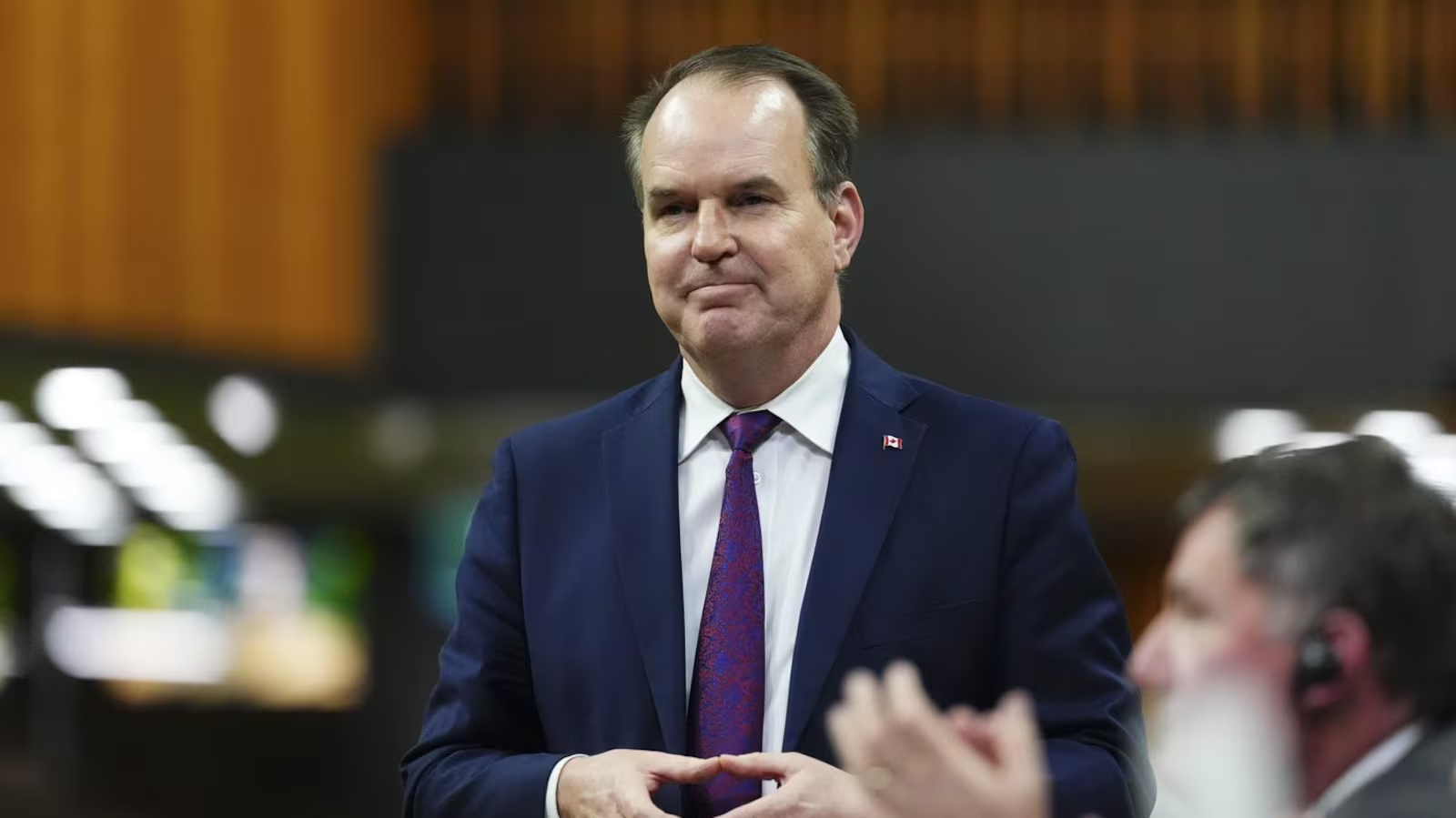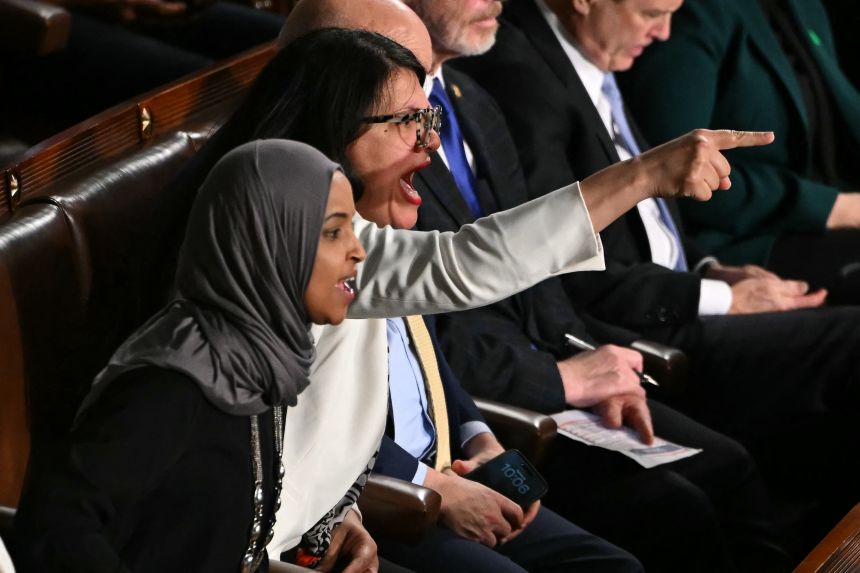
The political rivalry between Somali American Representative Ilhan Omar of Minnesota and former President Donald Trump has often captured national attention. Their latest clash — centered on allegations involving Somali pirates, immigration issues, and claims of fraud — reignited deep divisions in American politics. At the heart of the controversy were sharp exchanges, accusations of corruption, and broader debates about immigration policy and political integrity.
Ilhan Omar, one of the first Muslim women elected to Congress, has long been a vocal critic of Trump’s rhetoric and policies. During a major national address often referred to as a “Union” speech, tensions resurfaced when Trump referenced corruption, immigration loopholes, and alleged fraud connected to refugee and immigration systems. Omar publicly pushed back, calling him a “liar” and accusing him of weaponizing misinformation for political gain.
The Somali Pirates Narrative
In past campaign rallies and speeches, Trump and some of his allies have drawn controversial connections between Somali piracy and Somali immigrants living in the United States. Critics argue that such framing unfairly associates law-abiding immigrant communities with criminal activity abroad.
Somali piracy was a serious international issue in the late 2000s and early 2010s, when armed groups targeted commercial ships off the coast of Somalia. However, experts have repeatedly clarified that piracy was tied to instability within Somalia itself, not to diaspora communities in the United States.
Omar has consistently rejected attempts to link Somali Americans to piracy or criminal networks. She has described these narratives as harmful stereotypes that stigmatize immigrant communities. For many Somali Americans in Minnesota — home to one of the largest Somali populations in the U.S. — such claims feel like a direct attack on their identity and contributions to society.
Immigration and Alleged Fraud Claims
Another flashpoint in the exchange involved allegations of fraud within refugee resettlement and immigration programs. Trump suggested that loopholes and systemic weaknesses had been exploited in some communities. He framed the issue as part of a broader argument for stricter border enforcement and enhanced vetting procedures.
Omar responded forcefully. “When it comes to corruption,” she argued, the focus should not be on immigrant families seeking opportunity, but on powerful institutions and political actors. She contended that claims of widespread fraud among Somali immigrants were exaggerated and politically motivated.
Federal investigations over the years have uncovered isolated cases of fraud in various immigration-related programs across the country. However, policy analysts caution against using isolated incidents to characterize entire communities. Omar’s stance has been that accountability is important — but so is accuracy.
A Personal and Political Clash
The exchange between Omar and Trump goes beyond policy differences. Their conflict represents contrasting political visions. Trump’s messaging often emphasized border security, nationalism, and skepticism toward refugee programs. Omar’s platform centers on immigrant rights, social justice, and expanded social services.
At the Union address in question, observers noted visible tension as lawmakers reacted to the president’s statements. Omar later described Trump’s remarks as divisive and misleading. She argued that painting immigrants as inherently suspect undermines American values.
Trump, for his part, framed his criticisms as a defense of American taxpayers and national security. Supporters applauded his directness, saying he was highlighting uncomfortable truths about bureaucratic inefficiencies and vulnerabilities in the system.
Somali Americans in Minnesota
Minnesota has become a focal point in national discussions about Somali immigration. Thousands of Somali refugees resettled there beginning in the 1990s, fleeing civil war. Over time, the community established businesses, community organizations, and civic networks.
Omar’s election to Congress was seen by many as a milestone for representation. As one of the first Somali American lawmakers at the federal level, she became a symbol of immigrant political participation.
However, visibility also brought scrutiny. Critics frequently targeted her background, sometimes raising unfounded claims about loyalty or affiliations. Omar has repeatedly emphasized her commitment to American democracy, stating that her refugee journey reflects the promise of the United States.
The Corruption Debate
“When it comes to the corruption,” Omar said in response to Trump’s remarks, the conversation should address systemic political issues rather than scapegoating vulnerable communities. She argued that political corruption, corporate influence, and misinformation campaigns pose greater threats to democracy than immigrant families seeking opportunity.
This framing resonated strongly with her supporters, who view her as a voice challenging entrenched power structures. Opponents counter that concerns about fraud and enforcement are legitimate policy discussions, not discriminatory attacks.
The debate illustrates a broader political divide in the country. One side prioritizes strict enforcement and national security safeguards. The other emphasizes humanitarian protections and inclusion. The rhetoric surrounding these issues often intensifies during high-profile speeches and election cycles.
Media Amplification and Public Reaction
Media coverage amplified the clash, with headlines highlighting the exchange of accusations. Social media further polarized reactions. Supporters of Trump argued that Omar’s response deflected from legitimate oversight concerns. Supporters of Omar argued that Trump’s language perpetuated harmful stereotypes.
Political analysts note that such confrontations often serve strategic purposes. High-profile disagreements energize voter bases and dominate news cycles. For both figures, public clashes reinforce their political identities: Trump as a hardline critic of immigration systems, and Omar as a defender of immigrant rights.
Broader Implications
The controversy touches on larger themes in American politics:
- The balance between national security and humanitarian immigration policies
- The role of rhetoric in shaping public perception of minority communities
- The responsibilities of elected officials in addressing corruption claims
- The power of symbolism in political representation
As debates over immigration reform continue, figures like Ilhan Omar remain central voices. Whether defending refugee programs or criticizing executive actions, she represents a constituency deeply invested in these issues.
Conclusion
The clash between Ilhan Omar and President Trump during the Union address underscores the enduring tensions surrounding immigration, corruption claims, and political accountability. Allegations involving Somali pirates and fraud reflect broader narratives that have shaped national discourse.
For some Americans, the debate is about enforcing laws and protecting national interests. For others, it is about safeguarding fairness and preventing harmful generalizations. What remains clear is that discussions about immigration and corruption will continue to shape political battles in Washington.
In this evolving landscape, voices like Omar’s — and the reactions they provoke — highlight the complexities of representation, rhetoric, and responsibility in modern American politics.