
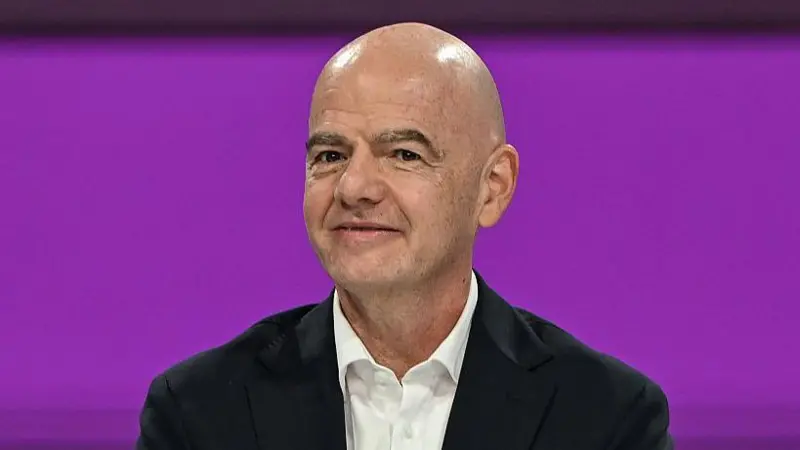
Iran’s 2026 World Cup Matches in USA Confirmed by FIFA President
In a significant development for global football politics and the upcoming 2026 FIFA World Cup, FIFA President Gianni Infantino has officially confirmed that Iran’s national team will play its group-stage matches in the United States. This announcement resolves months of speculation and diplomatic maneuvering, placing one of the tournament’s most geopolitically prominent teams squarely on American soil. The decision, while rooted in sporting logistics, carries profound implications far beyond the pitch, intertwining sport with international relations at the highest level.
The Official Announcement and Its Context
The confirmation came directly from President Infantino during a press briefing, where he outlined the broader framework for the 2026 tournament’s match schedule. While the specific host cities for Iran’s games are yet to be finalized, the directive that Team Melli will compete exclusively in the U.S. during the initial group phase is now set in stone. This move effectively sidesteps the complex scenario of Iran playing in Canada, a country with which it has severed diplomatic ties.
The backdrop to this decision is a tangled web of geopolitics. Following the tragic shooting down of Ukraine International Airlines Flight PS752 by Iranian forces in 2020, Canada cut official diplomatic relations with Iran. This created a direct sporting dilemma for FIFA: how to accommodate a qualified team in a host nation where its government is not formally recognized. Infantino’s statement cuts through this complexity with a clear, administrative solution focused on the smooth operation of the tournament.
Navigating a Diplomatic Minefield
FIFA’s primary rationale, as stated, is logistical simplicity and the well-being of all participants. By keeping Iran’s squad, staff, and traveling supporters within one host country for the first round, the governing body aims to minimize potential administrative and security complications. However, the subtext is a delicate dance of international diplomacy.
Key factors in this diplomatic equation include:
- Visa and Entry Protocols: Ensuring streamlined entry for the Iranian delegation into the U.S., likely under special FIFA tournament arrangements, avoids the need for negotiations with Canadian authorities.
- Security Considerations: Concentrating Iran’s matches in one country allows for a more focused and manageable security apparatus, a paramount concern for any major event.
- Fan Movement: It simplifies travel for the expected thousands of Iranian diaspora fans, most of whom are based in the United States, creating a vibrant atmosphere in the stadiums.
This decision underscores FIFA’s often-stated desire to keep politics out of football, even as it makes an inherently political calculation to protect the sanctity of its flagship event.
Reactions and Ramifications
The announcement has been met with a mix of relief and strategic analysis from various quarters.
For the Iranian Football Federation (FFIRI), the clarity is welcome. Team Melli can now plan its pre-tournament camps, logistics, and preparations with a definitive destination in mind. Coach Amir Ghalenoei and his players can focus purely on football, a luxury not always afforded to this team. The FFIRI released a brief statement accepting FIFA’s decision and expressing eagerness to compete on the world’s biggest stage.
Within the United States, host city officials in locations with large Iranian-American communities—such as Los Angeles, Dallas, or Washington D.C.—will likely view this as a major opportunity. Iran’s matches are poised to be among the most passionately attended group-stage games, guaranteeing sold-out stadiums and a unique cultural spectacle.
The Shadow of Past Encounters
The placement of Iran in the U.S. also rekindles memories of one of the most politically charged matches in World Cup history: the 1998 group stage clash between Iran and the USA in Lyon. That game, preceded by diplomatic gestures of peace and mutual respect, ended in a famous 2-1 victory for Iran. The possibility of a rematch on American soil in 2026 is a narrative that will captivate global audiences and could test the current “sporting peace” between the two nations.
While no draw can guarantee such a fixture, the potential for it adds an extra layer of historical gravity to FIFA’s location decision. It sets the stage for a potential moment of profound symbolic power, for better or worse.
Looking Ahead to 2026
With this major hurdle cleared, the path to the 2026 World Cup becomes slightly smoother for one of its most watched teams. The confirmation allows for:
- Advanced Operational Planning: U.S. security, transport, and venue teams can begin detailed preparations for hosting the Iranian contingent.
- Commercial and Fan Engagement: Targeted marketing and cultural exchange programs can be developed around Iran’s host cities.
- Sporting Focus: The Iranian team can immerse itself in the challenge of escaping a tough Group B, which includes formidable European sides, without off-field distractions.
Ultimately, FIFA President Infantino’s announcement is a masterclass in tournament pragmatism. It acknowledges the undeniable intersection of sport and global politics but chooses a path that prioritizes operational certainty. By assigning Iran’s matches to the United States, FIFA has not only solved an immediate logistical puzzle but has also scripted one of the underlying geopolitical stories of the 2026 World Cup. The world will be watching, not just for the goals and saves, but for the moments of human connection and the unspoken dialogues that will unfold on American soil when Team Melli takes the field.

