
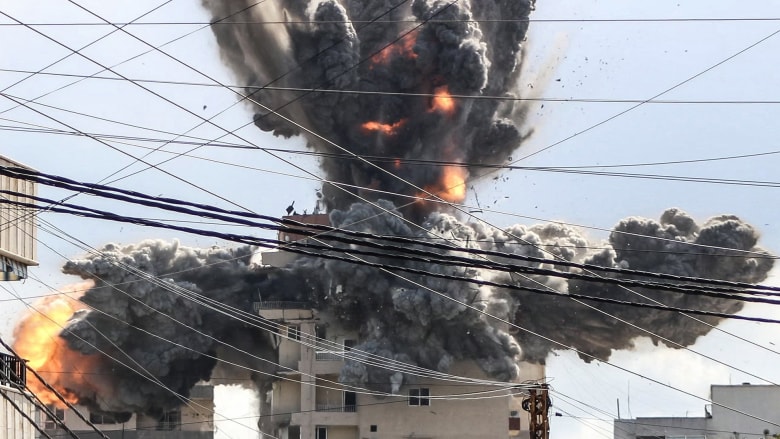
Israel-Lebanon Ceasefire Crumbles as Strait of Hormuz Tensions Surge
The fragile hope for a de-escalation in the Middle East is facing a severe, multi-front test. A tenuous ceasefire between Israel and Hezbollah in Lebanon is unraveling, while hundreds of miles away, a new maritime threat is emerging in the world’s most critical oil chokepoint. The convergence of these crises threatens to ignite a broader regional conflict, straining diplomatic efforts and sending shockwaves through global energy markets.
The Northern Front: A Ceasefire Under Fire
After months of cross-border exchanges, a temporary halt in hostilities between Israel and Hezbollah offered a glimmer of respite for civilians on both sides of the Lebanon-Israel border. However, that respite proved short-lived. Reports confirm that Israeli military operations have resumed in southern Lebanon, targeting what it describes as Hezbollah infrastructure and launch sites. Hezbollah has responded with rocket and drone attacks into northern Israel.
This breakdown jeopardizes not only regional stability but also intricate diplomatic negotiations. The ceasefire was seen as a critical precursor to a more lasting agreement. Its collapse signals a dangerous return to the cycle of retaliation and raises the specter of a full-scale war that both sides have sought to avoid, yet seem unable to prevent.
Key Implications of the Escalation:
- Humanitarian Crisis Deepens: Tens of thousands of displaced civilians in Lebanon and Israel now face the prospect of prolonged displacement with no safe return in sight.
- Diplomatic Setback: International mediators, including the United States, are facing a significant setback, complicating efforts to secure a comprehensive deal.
- Expanded Conflict Risk: Each strike increases the chance of a miscalculation that could draw in other regional actors, widening the conflict beyond the current borders.
The Southern Flashpoint: A New Threat in the Strait of Hormuz
As the northern front heats up, a potentially more disruptive crisis is brewing at sea. Security and intelligence sources are reporting the suspected deployment of naval mines in the Strait of Hormuz. This narrow passage between the Persian Gulf and the Gulf of Oman is arguably the most important maritime oil transit lane on the planet, with about one-fifth of the world’s oil supply passing through its waters.
The presence of mines, whether real or perceived, constitutes a direct threat to global energy security and freedom of navigation. While no group has claimed responsibility, the context points to the ongoing shadow war between Iran and its adversaries. Iran has previously been accused of mining operations in the region as a tool of asymmetric warfare and a means to signal its capability to disrupt the global economy if threatened.
Why the Strait of Hormuz Matters:
- Global Oil Artery: An estimated 20.5 million barrels of oil per day flowed through the Strait in 2023.
- Economic Chokepoint: Even a temporary closure or significant disruption could cause oil prices to skyrocket, triggering global economic instability.
- Military Tinderbox: The presence of U.S., British, and other allied naval forces in the area means any incident could quickly escalate into a military confrontation.
A Dangerous Nexus: Connecting the Dots
These two crises, though geographically separate, are politically and strategically linked. They represent different theaters in the same overarching regional power struggle. The escalation on the Israel-Lebanon border involves Iran’s most powerful proxy, Hezbollah. The maritime threat in the Hormuz Strait is a hallmark of Iran’s strategic playbook. Together, they create a pincer effect of instability.
Analysts suggest this could be a coordinated strategy of pressure. As Israel increases its military actions against Iran’s allies in the north, elements aligned with Tehran may seek to raise the cost elsewhere—specifically by threatening the economic interests of Israel’s allies in the West. It’s a stark reminder that in the interconnected landscape of the Middle East, an attack in one domain can provoke a response in another, creating a cascade of escalation that is difficult to control.
Global Response and the Path Forward
The international community is responding with heightened concern. The United States and European nations are likely increasing surveillance and patrols in the Strait of Hormuz while urgently engaging in backchannel diplomacy to reinstate the Lebanon ceasefire. The primary goals are clear:
- De-escalate the Israel-Hezbollah conflict and return to a ceasefire framework.
- Investigate and neutralize any threats to shipping in the Strait of Hormuz.
- Prevent the two crises from merging into a single, unmanageable regional war.
For global markets, the situation is a worst-case scenario. The “risk premium” on oil is climbing as traders factor in the tangible threat to supply. Energy-dependent nations are watching with apprehension, knowing their economies are vulnerable to disruptions emanating from these flashpoints.
A Region on a Knife’s Edge
The crumbling ceasefire in Lebanon and the ominous warnings in the Strait of Hormuz paint a picture of a region balanced on a knife’s edge. Diplomatic efforts are racing against time to prevent a multi-front conflagration. The coming days will be critical. Will cooler heads prevail to isolate these fires, or will they combine into an inferno that consumes the wider Middle East and destabilizes the global economy? The world watches and waits, hoping for diplomacy to succeed where weapons have so catastrophically failed.

