Mark Carney’s Pipeline Signals a New Economic Pragmatism
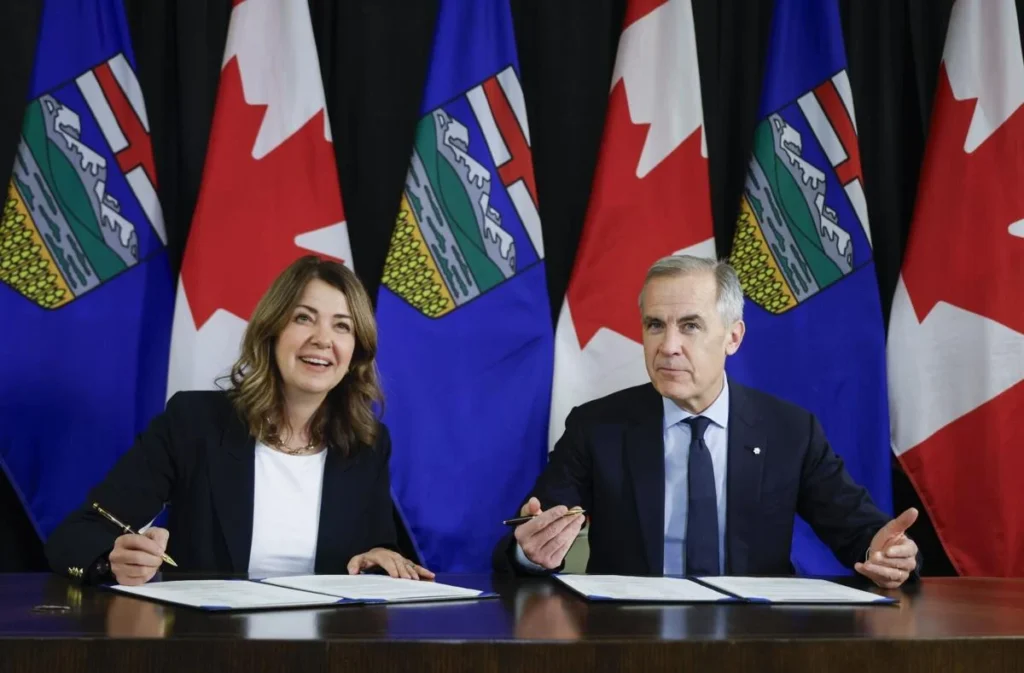
For years, the dominant narrative in global finance and policy has been one of a stark choice: economic growth versus environmental and social values. This framework forced leaders, investors, and corporations into seemingly zero-sum trade-offs. However, a recent and significant move by one of the world’s most influential financial figures suggests this binary thinking is becoming obsolete. Mark Carney’s involvement in a major North American pipeline project isn’t just a business deal; it’s a powerful signal of a profound shift toward a more integrated, pragmatic, and economically grounded approach to the world’s biggest challenges.
From “Values vs. Economy” to “Values and Economy”
Mark Carney, the former Governor of the Bank of England and Canada, is now the UN Special Envoy for Climate Action and Finance. He is a man who has literally written the book on the value of purpose-driven capitalism. His championing of climate-related financial disclosures and warnings about “stranded assets” made him a hero to many in the sustainable finance movement. This context is what makes his role as Chair of Brookfield Asset Management’s transition investment committee—and Brookfield’s partnership in the Coastal GasLink pipeline—so analytically rich.
Traditionally, such an investment would be seen as a betrayal of climate values. Yet, Carney and Brookfield’s approach reframes it. They are not funding the project in isolation but as part of a broader, complex energy transition strategy. The capital from this infrastructure investment helps fund Brookfield’s massive global investments in renewable energy. This model moves beyond simple divestment (selling off “bad” assets) toward a more nuanced strategy of engagement, transition, and blended capital deployment.
The Rise of the “Transition Finance” Mindset
This pragmatic pivot signifies the maturation of sustainable finance into what is now termed “transition finance.” The idealistic, early phase focused on pure-play green investments—wind farms and solar panels only. The transition phase acknowledges the messy reality of our current global energy system. It asks: how do we fund the bridge to a net-zero future while maintaining energy security, affordability, and economic stability?
This new mindset is characterized by several key principles:
The Economic Grounding of Tough Choices
Carney’s pipeline move underscores that the most durable solutions are those rooted in economic reality, not just moral imperative. This economic grounding is crucial for several reasons:
Scale and Speed: The capital required for the global energy transition is measured in the trillions of dollars annually. This scale cannot be met by green bonds and impact funds alone. It requires mobilizing the vast pools of mainstream capital, which demand risk-adjusted returns and pragmatic pathways.
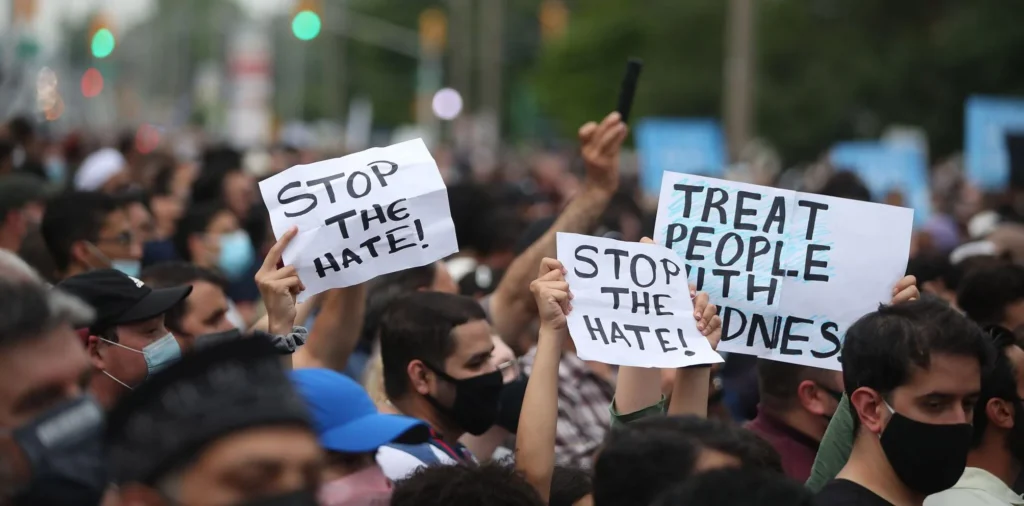
Political and Social Sustainability: Policies that ignore economic costs, workforce transitions, and energy affordability face fierce backlash and instability, as seen in various global protests. A strategy that funds new energy while managing the decline of the old offers a more politically viable path.
Technological Pragmatism: While renewables are scaling rapidly, gaps remain in areas like grid storage and industrial heat. A pragmatic approach funds the bridge technologies (like carbon capture, renewable natural gas) that can decarbonize existing infrastructure in the interim.
Criticism and the Inevitable Tension
This shift is not without its fierce critics. Many environmental advocates see it as a capitulation, a form of “greenwashing” that prolongs the life of fossil fuel infrastructure and undermines the urgency of a full-scale shift. Indigenous groups whose territories are affected by projects like Coastal GasLink rightly point out that high-level financial pragmatism often overlooks specific, on-the-ground rights and sovereignty issues.
This tension is inherent to the pragmatic turn. It forces a difficult conversation about temporal trade-offs—short-term emissions for long-term capital mobilization—and geographic trade-offs—local environmental impacts for global climate benefits. Carney’s model argues that engaging with this messy tension is more effective than refusing to engage at all.
What This Means for Investors and Policymakers
The signal from a figure like Carney provides a new playbook for decision-makers.
For Institutional Investors:
For Corporate Leaders:
For Policymakers:
Conclusion: The End of Simplistic Trade-Offs
Mark Carney’s association with the Coastal GasLink pipeline is a landmark moment precisely because it is controversial and complex. It defies the old, easy narratives. It marks a decisive turn from a rhetoric of pure values-based trade-offs to a practice of economically grounded integration.
This new pragmatism is not an abandonment of climate goals, but a strategic evolution in how to achieve them. It accepts that the path to a sustainable future runs directly through the difficult terrain of our current economic system. By engaging with that system directly—using its tools, capital, and infrastructure to fund its own transformation—this approach seeks to build a bridge to the future that is wide enough, strong enough, and funded enough to actually get us there. The era of “or” is giving way to the difficult, necessary era of “and.”