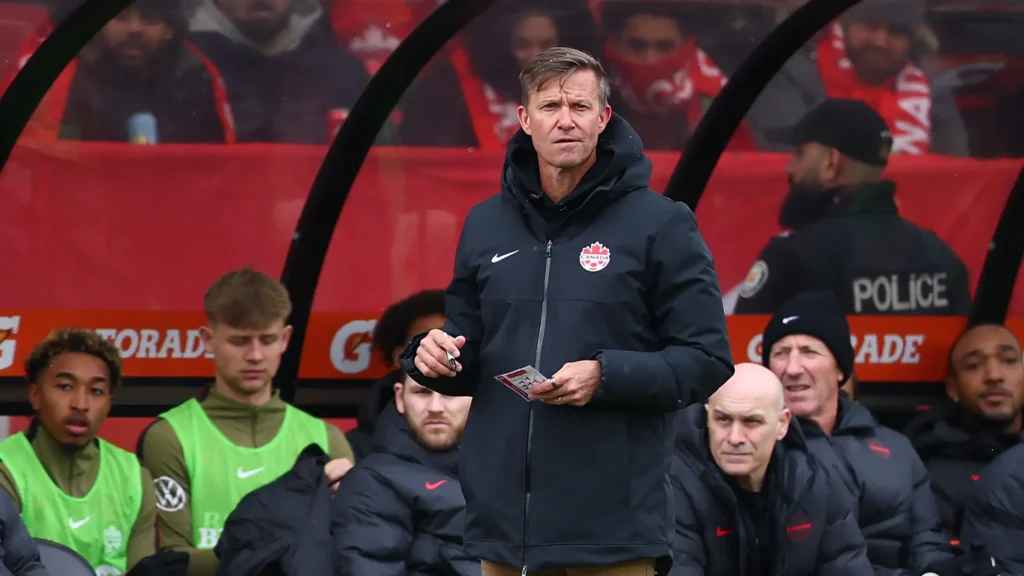
Canada’s Red Card Crisis Under Jesse Marsch Threatens World Cup Dreams
The Jesse Marsch era for the Canadian Men’s National Team began with a wave of optimism. A new, aggressive tactical identity promised to harness the raw talent of Alphonso Davies, Jonathan David, and a golden generation. However, a concerning and persistent trend is threatening to derail the campaign before it truly begins: a severe and costly red card crisis. As the crucial World Cup qualifiers loom, discipline has emerged as the most significant obstacle between Canada and a return to the global stage.
A Pattern of Self-Sabotage
Since Marsch took the helm, the Canadian squad has been plagued by moments of ill-discipline that have directly cost them results. This isn’t about unlucky breaks or dubious refereeing; it’s about a pattern of reckless challenges and emotional outbursts that leave the team playing with a numerical disadvantage. In high-stakes international football, where margins are razor-thin, gifting the opponent an extra player is often a death sentence.
The most glaring example came in a recent, pivotal Copa America match. A moment of frustration led to a needless second yellow card, forcing Canada to play a large portion of the game shorthanded. The tactical game plan evaporated, players were forced into exhausting, emergency defending, and a potential positive result slipped away. This incident wasn’t an anomaly but the culmination of a series of similar disciplinary lapses in Marsch’s short tenure.
The Tactical Domino Effect
A red card does more than just remove a player. It triggers a catastrophic chain reaction that undermines every aspect of a team’s performance:
- Complete Tactical Breakdown: Marsch’s system, predicated on high pressing and coordinated movement, becomes impossible to execute with ten men. The entire shape collapses.
- Physical Exhaustion: The remaining players must cover exponentially more ground, leading to fatigue, mental errors, and increased risk of injury.
- Moral Collapse: Frustration and a sense of injustice can spread, breaking team unity and focus at the most critical moments.
These self-inflicted wounds transform winnable games into uphill battles and turn narrow defeats into damaging losses. In the compressed format of World Cup qualifying, where every point is precious, dropping points due to indiscipline is a luxury Canada cannot afford.
Marsch’s Double-Edged Sword: Passion vs. Poise
There is an undeniable link between Jesse Marsch’s intense, fiery football philosophy and the team’s disciplinary issues. He demands a relentless, aggressive, and physically dominant style of play. This “never-say-die” attitude has inspired some brilliant performances, but its dark side is a propensity for crossing the line from committed to careless.
The key question now is whether Marsch and his staff can successfully channel that raw passion into controlled aggression. The best teams in the world play with ferocious intensity but are rarely reckless. They understand the strategic value of staying on the pitch. Coaching emotional control and smart decision-making under pressure is now as important as any tactical drill for Canada.
Key Players in the Spotlight
While this is a team-wide issue, leadership must come from the top—both on the bench and on the pitch.
- The Captain’s Armband: Veterans like Atiba Hutchinson (when fit) and Milan Borjan have a crucial role in calming the team during volatile moments. Newer leaders like Stephen Eustáquio must set the tone with their composure.
- Star Power Responsibility: Alphonso Davies and Jonathan David are the team’s talismans. Their ability to stay focused and avoid retaliation, especially when marked heavily, is paramount. They are too valuable to be watching from an early shower.
- Marsch’s Sideline Demeanor: The manager’s own reactions to refereeing decisions set a powerful example. A more measured, strategic approach from the technical area could help soothe, rather than stoke, the players’ emotions.
The World Cup Qualification Gauntlet Awaits
The CONCACAF qualification process is famously brutal. It involves difficult travel, challenging pitches, and opponents who are masters of gamesmanship and provocation. For Canada, the path is clear: talent alone will not be enough. To navigate this gauntlet successfully, they must add a layer of tactical intelligence and cold-blooded discipline to their obvious physical and technical gifts.
Upcoming matches in hostile environments in Central America and the Caribbean will be designed to test Canadian tempers. The opposition will look to exploit this now-visible weakness. How Canada responds—whether they rise above the provocation or succumb to it—will define their qualifying campaign.
A Call for a “New Discipline”
Solving this crisis requires a fundamental shift in mindset. It’s not about playing softly; it’s about playing smartly. This “new discipline” must be built on three pillars:
- Strategic Fouls Over Reckless Ones: Understanding when and where to take a tactical yellow card to stop a counter-attack, versus making a dangerous, goal-threatening challenge.
- Emotional Detachment: Treating refereeing decisions, good or bad, as immutable facts of the game to be adapted to, not protested.
- Collective Accountability: Players must hold each other to a higher standard, intervening to diffuse situations before a teammate receives a costly card.
Conclusion: A Dream Hanging in the Balance
The potential of this Canadian team is immense. The attacking firepower, the global star quality, and the unifying force of a nation behind them create a perfect recipe for a historic World Cup run. Yet, that dream is currently being jeopardized from within.
Jesse Marsch was hired to elevate Canada’s tactical ceiling. His most important job now may be to raise their disciplinary floor. The coming months will reveal if this group can learn from its painful lessons. If they can marry their undeniable passion with unwavering poise, they have the quality to conquer CONCACAF. If the red cards continue to flow, they risk becoming their own worst enemy, watching their World Cup dreams vanish one unnecessary dismissal at a time. The choice, and the responsibility, lies squarely with the team and its manager.