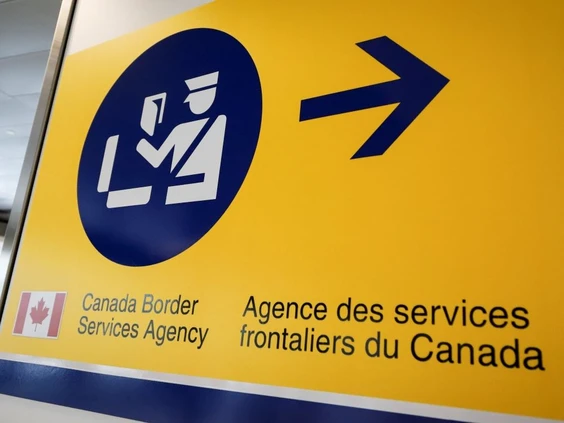
Canada’s Border Security Crisis: A National Risk We Can’t Ignore
For decades, Canada’s reputation for orderly, secure, and compassionate borders has been a point of national pride. However, a growing chorus of reports, audits, and on-the-ground accounts suggests this image is dangerously out of date. What we are facing is not a series of isolated incidents, but a systemic border security crisis that undermines public safety, strains social services, and erodes the integrity of our immigration system. To ignore this reality is to accept a level of national risk that is both unnecessary and unsustainable.
The Illusion of Control: Cracks in the Foundation
The core of the crisis lies in a fundamental failure to maintain sovereign control over who and what enters the country. While millions of legitimate travelers and goods cross our borders seamlessly each year, the systems designed to intercept threats are showing severe strain.
Porous Points of Entry and the Asylum System Strain
The issue is twofold. First, official ports of entry are often under-resourced, leading to bottlenecks and potential security oversights. More visibly, the phenomenon of irregular crossings, particularly at locations like Roxham Road, has exposed a critical loophole. While the Safe Third Country Agreement has been adjusted, the underlying pressures remain. The system for processing asylum claims is overwhelmed, leading to:
This dysfunction sends a message that Canada’s rules can be circumvented, encouraging more risky journeys and playing into the hands of human smuggling networks.
Beyond People: The Contraband Floodgate
The security lapse is not limited to human migration. Canada’s borders are a major conduit for illegal goods that fuel violence and addiction in our communities. The Canada Border Services Agency (CBSA) is tasked with intercepting:
Despite seizures making headlines, experts agree they represent only a fraction of what gets through. Criminals exploit our vast, under-monitored geography and the sheer volume of commercial traffic, knowing the odds of interception are low.
The High Cost of Complacency: What’s at Stake?
Framing border security as solely an immigration issue is a profound mistake. The consequences of a weak perimeter are felt in every corner of Canadian society.
Public Safety is Directly Compromised. When firearms and dangerous drugs flow freely across the border, community safety is not an abstract concept—it is directly diminished. Every illegal gun seized in a downtown apartment or every batch of poisoned drugs intercepted started with a border crossing that went undetected.
The Social Contract is Strained. Canadians are overwhelmingly supportive of immigration, but they rightfully expect it to be conducted in a fair and controlled manner. The current chaos fuels resentment, pits communities against each other, and provides fertile ground for misinformation and divisive rhetoric. It unfairly burdens the reputation of those who follow legal immigration pathways.
Economic and Systemic Integrity Erodes. Large-scale illegal migration and contraband smuggling distort local economies, flood the black market, and place unsustainable demands on healthcare, housing, and social services. This diverts resources from planned, constructive national projects and from supporting legitimate newcomers and vulnerable citizens already here.
Charting a Course Forward: Solutions, Not Soundbites
Acknowledging the crisis is the first step; committing to meaningful, multi-faceted solutions is the necessary next one. This is not a call to close borders but to manage them intelligently and robustly. A strategic approach must include:
1. Empowering and Equipping the CBSA
The frontline agency cannot succeed without 21st-century tools and support. This requires:
2. Fixing the Immigration Backlog & Process
Security and a functional immigration system are two sides of the same coin. We must:
3. A Whole-of-Government, Whole-of-Society Approach
Border security cannot be siloed within a single agency. It requires:
A Call for Sober Reflection and Resolute Action
The state of Canada’s borders is a litmus test for our national sovereignty and our commitment to the safety and well-being of everyone who lives here. The current path—marked by overwhelmed systems, exploited loopholes, and uncontrolled contraband—is a risk we can no longer afford.
This is not about abandoning compassion or our tradition as a welcoming nation. In fact, it is the opposite. A secure, well-managed border is the foundation upon which a generous, fair, and successful immigration policy is built. It protects the vulnerable seeking refuge, it safeguards the communities that welcome them, and it ensures that the social and economic fabric of Canada remains strong for generations to come.
The time for vague promises and temporary fixes is over. We need a clear-eyed, resolute, and adequately resourced national strategy to regain control of our perimeter. Our safety, our prosperity, and our integrity as a nation depend on it.