
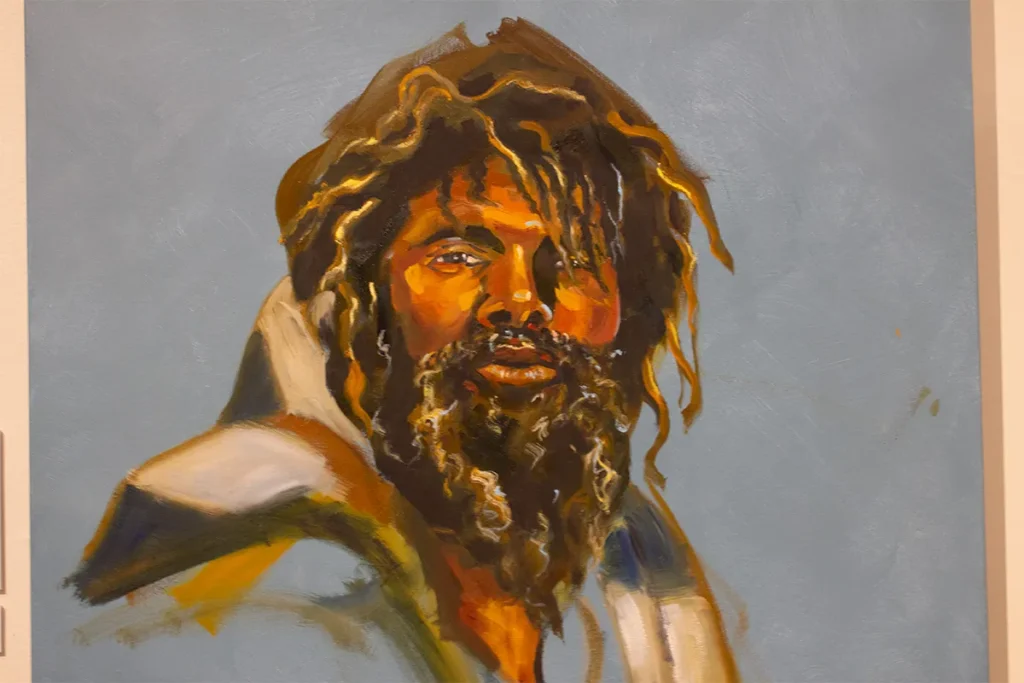
Healing Through Art: Michigan Prison Program Offers Inmates Hope
Within the stark, concrete confines of a Michigan correctional facility, a quiet revolution is taking place. It’s not marked by loud protests or dramatic events, but by the soft scratch of a pencil, the gentle stroke of a paintbrush, and the focused silence of creation. A unique prison art program is proving that rehabilitation can be found in the most unexpected of places: the canvas. By providing inmates with the tools and guidance to express themselves artistically, this initiative is doing more than filling time; it is offering a profound path to self-discovery, emotional healing, and a tangible sense of hope for life beyond the walls.
More Than a Hobby: The Transformative Power of Creative Expression
For many incarcerated individuals, the prison environment is one of suppression—of freedom, of choice, and often, of voice. The daily routine can strip away personal identity, leaving individuals defined solely by their offense. The Michigan prison art program challenges this by creating a sacred space where inmates are not seen as prisoners first, but as artists and students.
The act of creating art becomes a powerful therapeutic tool. It allows participants to:
- Process Complex Emotions: Incarceration brings a heavy burden of guilt, regret, anger, and grief. Art provides a non-verbal, safe outlet to confront and process these overwhelming feelings, which can be difficult to articulate in words.
- Rebuild Self-Esteem and Identity: Completing a piece of art, receiving constructive feedback, and experiencing the pride of creation helps rebuild a sense of self-worth that incarceration often erodes. Inmates begin to identify as creators, learners, and individuals with valuable perspectives.
- Develop Patience and Discipline: The artistic process requires focus, perseverance, and the ability to work through frustration. These are critical life skills that are directly transferable to successful reintegration into society.
- Find a Positive Voice: For those who feel unheard or misunderstood, art becomes their voice. It allows them to tell their stories, share their dreams, and communicate their humanity in a way that can bridge divides.
The Program in Action: Structure, Support, and Success Stories
The program typically involves structured classes led by volunteer artists, art teachers, or dedicated corrections staff. Inmates are provided with basic materials—paper, pencils, paints, and clay—and are guided through various techniques and projects. The curriculum often evolves based on the interests and skills of the participants, ranging from drawing and painting to sculpture and creative writing.
A key component is the establishment of a supportive, non-judgmental community within the classroom. In this space, participants are encouraged to take creative risks and support one another’s efforts. The positive reinforcement from instructors and peers is a stark contrast to the often punitive prison environment, fostering a sense of belonging and mutual respect.
The impact is visible in the stories of the participants. One inmate might speak of how painting a landscape allowed him to mentally escape his cell and reconnect with a sense of peace he thought was lost forever. Another may describe how sketching a portrait of his child helped him process the pain of separation and strengthen his resolve to be a better parent upon release. These personal victories, though quiet, are monumental steps in the rehabilitative journey.
Tangible Outcomes: Skills, Sales, and Second Chances
The benefits of the program extend beyond emotional healing. For some inmates, it unlocks latent talent and provides marketable skills. Learning graphic design, woodworking, or detailed painting can translate into vocational opportunities post-release. Some programs even facilitate the sale of inmate artwork (with all security protocols in place), with proceeds often going into victim restitution funds, program materials, or the artists’ own commissary accounts.
This aspect is crucial. It teaches entrepreneurship, financial responsibility, and the powerful lesson that one’s own effort and talent can yield legitimate, positive results. It reinforces a pro-social identity and directly combats the sense of helplessness that can hinder rehabilitation.
A Ripple Effect: How Art Benefits the Prison Environment and Society
The positive effects of the art program are not confined to the classroom; they create a ripple effect throughout the institution and into the broader community.
- Improved Institutional Safety: Inmates who are engaged, hopeful, and emotionally regulated are less likely to act out. The program serves as a proactive tool for reducing tensions and promoting a calmer, more manageable environment for both staff and residents.
- Changing Perceptions: When the public views inmate artwork in exhibitions or online galleries, it challenges stereotypes. It forces viewers to see the person behind the prison number, fostering empathy and a more nuanced understanding of rehabilitation.
- Reduced Recidivism: This is the ultimate goal. By addressing the core issues of trauma, low self-worth, and a lack of skills, art programs equip individuals with the internal resources needed to build a stable, productive life after prison. An inmate who has found a positive voice and a sense of purpose is far less likely to reoffend.
Conclusion: Investing in Humanity for a Safer Future
The Michigan prison art program stands as a powerful testament to a simple but profound truth: every person possesses an inherent capacity for growth and redemption. By investing in programs that nurture the human spirit, we do more than just manage a prison population; we actively participate in healing broken lives and building a safer society for everyone.
It demonstrates that rehabilitation is not a soft concept, but a practical necessity. Providing inmates with the tools to find their voice, heal their wounds, and forge a new identity is one of the most effective strategies for breaking the cycle of crime. In the end, the strokes of paint on a canvas in a Michigan prison are not just creating art; they are sketching the blueprint for a brighter, more hopeful future.

