
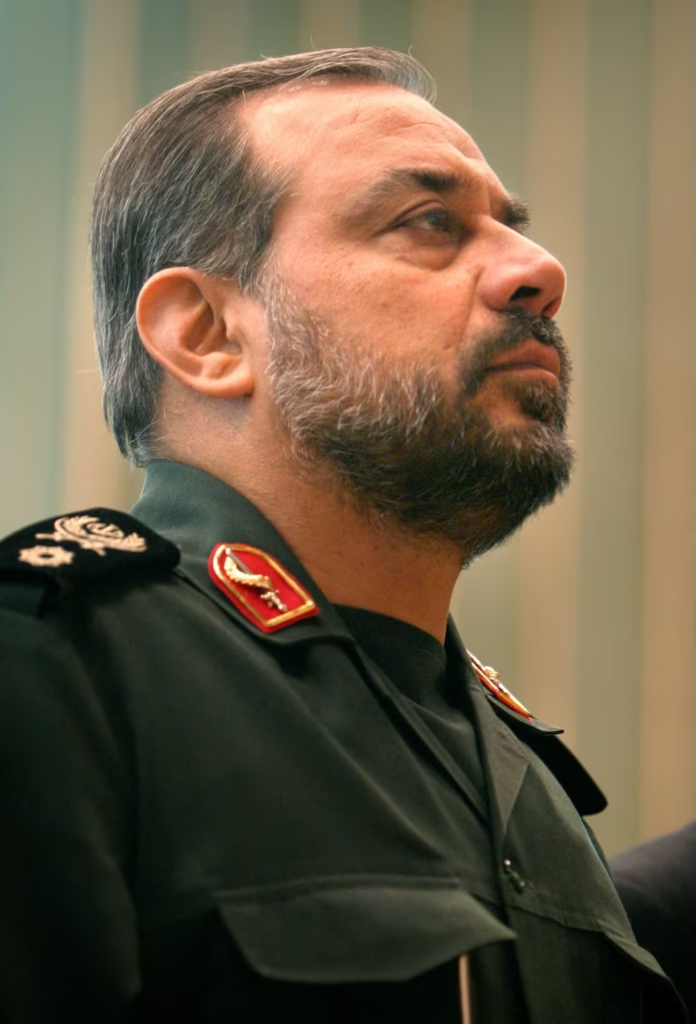
Iran Appoints New Security Chief Amid Escalating Regional Tensions
In a significant move that underscores the gravity of the current geopolitical climate, Iran has appointed a new chief for its Supreme National Security Council (SNSC). This pivotal decision comes at a time of heightened volatility across the Middle East, with conflicts in Gaza and escalating exchanges with Israel creating a tinderbox environment. The leadership change at the helm of Iran’s top security body signals a potential strategic shift as the nation navigates a complex web of regional hostilities and international pressure.
A Strategic Reshuffle at a Critical Juncture
The SNSC is not just any government body; it is the central command for all matters of defense, national security, and foreign policy strategy in Iran. Its decisions directly influence the country’s military posture, its support for allied militias across the region—often referred to as the “Axis of Resistance”—and its delicate diplomatic engagements. The appointment of a new secretary to this council is therefore a major event, carefully analyzed by allies and adversaries alike.
The new appointee steps into a role that has become increasingly demanding. The ongoing war in Gaza, which has raged for over six months, has dramatically raised regional stakes. Iran’s network of proxy forces, from Hezbollah in Lebanon to the Houthis in Yemen, have been actively engaged in conflicts linked to this war, creating a multi-front pressure campaign against Israel and its allies. Meanwhile, a direct and unprecedented military confrontation between Iran and Israel has moved from the realm of shadow warfare to open strikes, including an Iranian missile and drone barrage aimed at Israeli territory and subsequent Israeli counter-strikes.
Who is the New Security Chief?
While the specific name from the source article is not repeated here, the profile of an individual appointed to this role is telling. Typically, the SNSC secretary is a senior official with deep ties to Iran’s security establishment and a clear understanding of the ideological principles of the Islamic Republic. This person is often a trusted confidant of the Supreme Leader, Ayatollah Ali Khamenei, who has the final say on all state matters.
The new chief’s background will be scrutinized for clues about Iran’s future direction. Key questions include:
- Is he a pragmatic figure known for diplomatic maneuvering?
- Is he a hardliner with a history of advocating for more assertive military and proxy responses?
- What is his relationship with the Islamic Revolutionary Guard Corps (IRGC), the powerful military force that projects Iranian influence abroad?
The answers to these questions will help shape predictions on whether Iran will seek to de-escalate simmering conflicts or prepare for a more prolonged and direct period of confrontation.
The Regional Powder Keg: Context of the Appointment
To understand the weight of this appointment, one must look at the explosive regional context in which it occurs. The Middle East is currently facing one of its most dangerous periods in recent decades.
The Gaza War as a Central Catalyst: The devastating conflict between Israel and Hamas has served as a rallying point and operational trigger for Iran’s allied groups. The stated goal of this “Axis of Resistance” is to support the Palestinian cause and pressure Israel, leading to near-daily cross-border fire between Hezbollah and Israel, Houthi attacks on international shipping in the Red Sea, and militia strikes on U.S. forces in Iraq and Syria.
The Unprecedented Iran-Israel Direct Conflict: For years, Iran and Israel fought a covert war through cyber-attacks, assassinations, and proxy engagements. This changed in April 2024, when Iran launched a direct attack from its own soil against Israel. This crossing of a previous red line has fundamentally altered the security calculus, making the role of the SNSC secretary more critical than ever in managing this newly direct and perilous rivalry.
International Diplomacy and Nuclear Deal Deadlock: In the background, efforts to revive the 2015 nuclear deal (JCPOA) remain stalled. This leaves Iran’s nuclear program advancing without the constraints of the agreement and maintains severe U.S. economic sanctions on the country. The security chief will inevitably be involved in discussions linking regional behavior to nuclear negotiations.
Potential Implications for Regional Stability
The strategic choices made by the new security leadership will have immediate repercussions. Key areas to watch include:
- Proxy Coordination: Will Iran tighten or loosen the reins on groups like Hezbollah and the Houthis? Their actions have global economic and security consequences.
- Direct Engagement with Israel and the U.S.: How will Iran respond to future Israeli actions? Will it seek clear channels of communication to prevent unintended escalation into a full-scale war?
- Domestic Security Focus: The SNSC also handles internal stability. With a population facing economic hardship, the council must balance external confrontation with domestic pressures.
Navigating a Perilous Future
The appointment of a new security chief is a defining moment for Iran. It represents an acknowledgment that the existing strategies must be evaluated and potentially recalibrated for a new era of open confrontation and immense risk. The individual in this role must walk a tightrope, balancing revolutionary ideology with pragmatic statecraft, and managing a network of allied militias while avoiding a catastrophic regional war that would be devastating for all involved.
The international community will be watching closely. For global powers and regional states, understanding the mindset and strategy of Iran’s new security leadership is essential for predicting the next phase of Middle Eastern conflict and for any potential diplomatic off-ramps. One thing is certain: in the high-stakes game of Middle Eastern geopolitics, the person who leads Iran’s Supreme National Security Council holds one of the most consequential positions for determining whether the region moves toward greater conflict or fragile stability. The path they choose will resonate far beyond Iran’s borders.

