
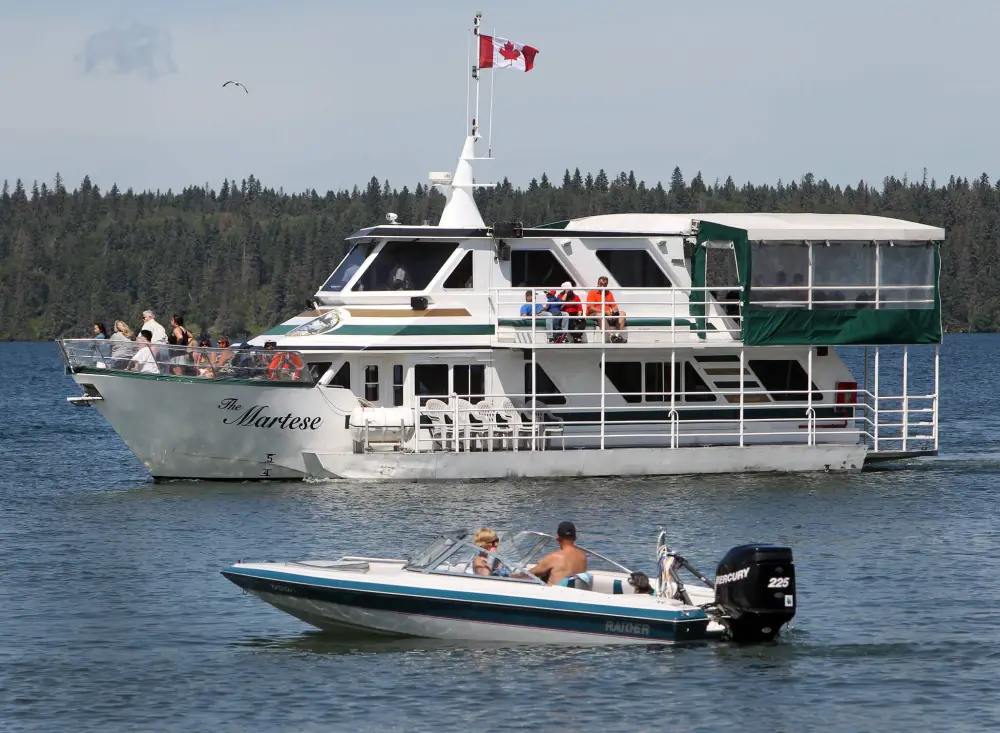
Clear Lake Motor Boats Return Under Strict Parks Canada Rules
For generations, the sparkling surface of Clear Lake in Manitoba’s Riding Mountain National Park has been a sanctuary of quietude. The dominant sounds have been the dip of a paddle, the call of a loon, and the wind whispering through the pines. This summer, that familiar soundscape will see a carefully regulated addition: the hum of motor boats. In a landmark decision, Parks Canada has announced a pilot program to allow private motor boats on Clear Lake, ending a decades-long prohibition but instituting one of the most rigorous management frameworks in the country.
This is not a simple reopening of the waters. It is a calculated, condition-heavy experiment in balance. The move answers persistent requests from segments of the local community while placing the ecological health and peaceful character of the lake as the non-negotiable priority. As the ice melts and the 2026 season approaches, boaters, conservationists, and park lovers alike are watching closely. This is the story of a national park at a crossroads, navigating the modern challenge of providing recreational access while fiercely protecting a cherished gem.
The Heart of the Decision: Balance Over Open Access
The decision to permit motor boats did not happen overnight. It is the result of years of environmental assessment, stakeholder consultation, and public commentary. Parks Canada’s primary mandate is to protect the ecological integrity of national parks for present and future generations. Any introduction of new activity, especially one with the potential impact of motorized watercraft, is undertaken with extreme caution.
The core philosophy behind this pilot program is **managed access, not free-for-all use**. Parks Canada recognizes a desire for varied recreational experiences but insists that such experiences must be sustainable. The iconic clarity of Clear Lake, its thriving fish populations, and its role as a refuge for wildlife are all paramount. Thus, the return of motor boats comes shackled with a comprehensive set of rules designed to mitigate their footprint from the moment they enter the park gate.
Your Guide to the New Clear Lake Boating Rules
For anyone considering trailering their boat to Riding Mountain this year, understanding and adhering to these conditions is absolutely essential. Failure to comply will mean denial of access. Here is a detailed breakdown of the operational framework.
1. The Mandatory Permit and Inspection Gateway
Before your boat touches the water, it must pass through two critical checkpoints:
* Permit System: A new mandatory permit system will control the total number of motor boats on Clear Lake each day. These permits are expected to be limited and available through an online reservation system via the Parks Canada website. Simply showing up with a boat without a pre-obtained permit will likely result in disappointment.
* Clean, Drain, Dry Inspection: Every vessel and watercraft (including trailers and gear) must undergo a mandatory invasive species inspection at a designated Parks Canada station. This is the frontline defense against devastating invaders like zebra mussels and spiny waterflea, which could irreversibly damage the lake’s ecosystem. Your boat must be clean, drained, and completely dry to pass.
2. On-the-Water Regulations: Controlled Impact
Once launched, boaters must operate within strict physical and behavioral limits:
* Stringent Horsepower Limit: To minimize noise pollution and disruptive wake, a strict horsepower limit will be enforced. This ensures only smaller, quieter motors are used, preserving the auditory peace that defines the park experience for others.
* Expanded No-Wake Zones: Significant portions of the shoreline, especially in sensitive habitat areas for fish spawning and bird nesting, will be designated as no-wake zones. Operating at high speed or creating a wake in these areas will be prohibited.
* Fuel and Operation Standards: All boats must comply with environmental regulations regarding fuel type and engine emissions to prevent water contamination.
Why Such Strict Rules? Protecting a National Treasure
To the casual observer, these rules may seem stringent. However, each is a direct response to a specific and serious threat to Clear Lake’s well-being.
* Invasive Species: The Invisible Threat: Aquatic invasive species (AIS) are ecological wrecking balls. A single fragment of zebra mussel or a drop of contaminated water can lead to an infestation that clogs infrastructure, smothers native species, and forever alters the food web. The inspection regimen is a non-negotiable, science-backed barrier to this threat.
* Preserving the “Clear” in Clear Lake: Excessive wave action from large wakes can erode shorelines, stir up sediment, and degrade water clarity. The horsepower and no-wake rules are designed to protect the physical and aesthetic quality of the lake itself.
* Wildlife and the Visitor Experience: Clear Lake is home to loons, otters, and countless other species sensitive to disturbance. Excessive noise and speed can disrupt feeding, nesting, and breeding. Furthermore, the park experience for canoeists, kayakers, and paddleboarders must be respected. The regulations aim to ensure all users—powered and non-powered—can safely and enjoyably share the water.
A Lake Divided? Understanding Community Reactions
The announcement has sparked a complex mix of reactions, reflecting the diverse values placed on this shared resource.
In Favor: Economic Boost and Recreational Freedom
Some local businesses and residents view this as a positive development. Marina operators, fishing guides, and nearby accommodations anticipate an economic boost from a new demographic of visitor. “This is about finding a reasonable balance,” stated one local advocate. “It allows for more people to enjoy the lake in their preferred way, while bringing important tourism revenue to our community, all within a tightly controlled system that prioritizes protection.”
Concerned: Protecting Peace and Ecology
Conversely, environmental advocates and many long-time park visitors have voiced deep concern. They worry that even with rules, the essential character of Clear Lake will change. “The silence is part of the magic here,” shared a seasonal cottager of 30 years. “We’re concerned about noise pollution, increased water traffic, and the potential for accidental AIS introduction, no matter how good the inspections are.” Conservation groups, while acknowledging Parks Canada’s safeguards, emphasize that vigilance and strict enforcement will be critical to the pilot’s success.
What This Means for Your 2026 Visit
Whether you’re a prospective boater or a traditional paddler, this pilot program affects your trip planning.
For Motor Boat Enthusiasts:
Your first stop must be the official Parks Canada website for Riding Mountain National Park. Here, you will find:
* The online portal for the mandatory boating permit.
* Locations and hours for invasive species inspection stations.
* Detailed maps of no-wake zones and launch sites.
* A complete list of regulations and horsepower restrictions.
Plan ahead, book your permit early, and arrive with a spotlessly clean, dry boat.
For Non-Motorized Visitors:
The core experience of paddling, sailing, or fishing from a quiet craft remains unchanged and protected. The designated no-wake zones are intended to be your sanctuary. If you have concerns about sharing the water, consider providing feedback to Parks Canada throughout the pilot season—your experience is valuable data.
The Path Forward: A Pilot Under the Microscope
Parks Canada has been clear: this is a trial, not a permanent, unconditional change. The 2026 season will be a period of intense monitoring. Park staff will collect data on:
* Compliance rates with the new rules.
* Ecological impacts through water quality testing and wildlife observation.
* Social impacts via visitor surveys and feedback mechanisms.
This data will inform a year-end review. The pilot could be continued as is, modified with adjusted rules (e.g., fewer permits, different zones), or rescinded entirely if the risks are deemed too great. The future of motor boating on Clear Lake hinges on the evidence gathered this summer and the responsible behavior of every permitted boater.
The Ultimate Responsibility
The success of this ambitious balancing act doesn’t rest solely with Parks Canada. It rests equally with every individual who trailers a boat into the park. It demands a mindset of stewardship, where boaters see themselves not just as recreational users, but as active participants in conservation. Adhering to every rule, respecting every zone, and prioritizing the lake’s health over speed or convenience is the price of admission.
As Clear Lake opens for a new chapter, it embodies a universal park management dilemma. Can we thoughtfully adapt, allowing for evolving forms of enjoyment, without losing the soul of the place we seek to enjoy? The answer on these pristine Manitoba waters will begin to take shape this summer, one carefully monitored boat at a time.

