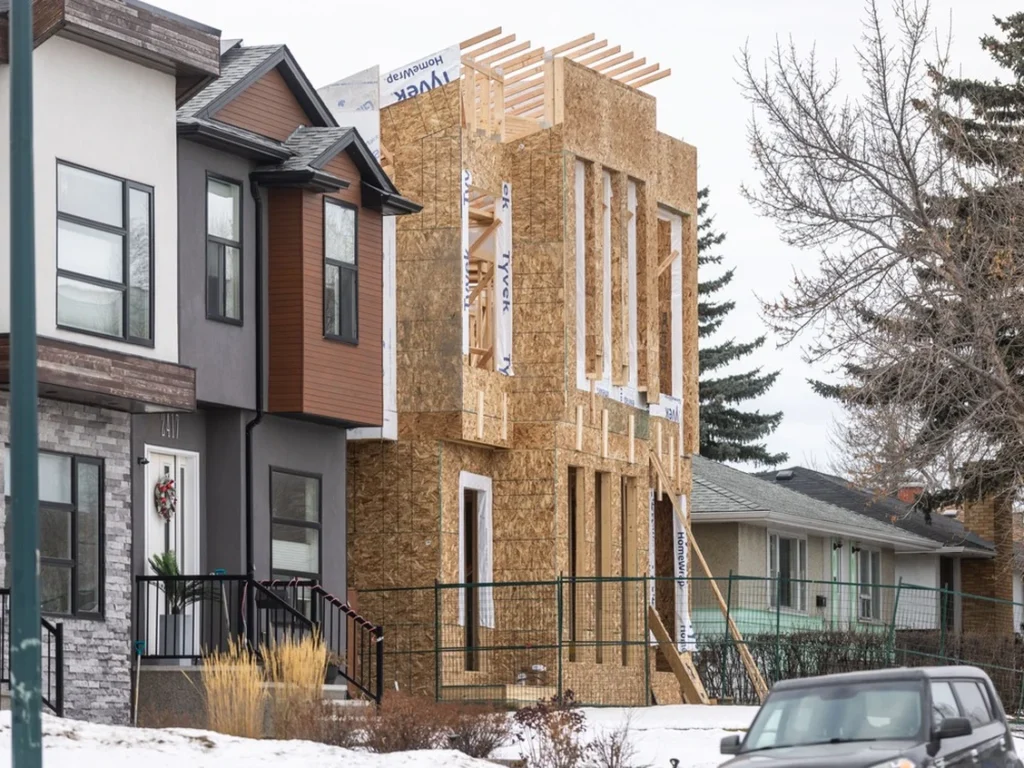
Why Blanket Upzoning Failed to Solve the Housing Affordability Crisis
For years, a single policy prescription has dominated urban planning debates: blanket upzoning. The theory was elegant and compelling. By removing restrictive single-family zoning laws and allowing higher-density housing—like duplexes, triplexes, and low-rise apartments—to be built in all neighborhoods, cities could unleash a wave of new supply. This surge in housing, the logic went, would inevitably increase competition, lower prices, and finally make cities affordable for the middle class.
Yet, in cities that have pioneered this approach, from Minneapolis to Auckland and parts of Canada, the promised affordability revolution has largely failed to materialize. While more units are being built, prices and rents remain stubbornly high. This disconnect reveals a critical truth: housing is a complex ecosystem, and simply changing zoning rules is a blunt instrument against a multifaceted crisis.
The Theory vs. The Reality: Where Upzoning Falls Short
The argument for upzoning is rooted in basic economics: increase supply to meet demand. However, the real-world application has exposed several key flaws in treating this as a silver-bullet solution.
1. The “Trickle-Down” Housing Fallacy
Much like its economic namesake, the idea that new market-rate housing will quickly “filter down” to become affordable for lower-income residents is proving flawed. The process is slow, often taking decades, and is easily outpaced by rising market pressures. New duplexes or townhomes built on upzoned lots are still expensive construction projects aimed at maximizing developer return, typically targeting the upper end of the rental or ownership market. They do little to address the immediate, acute need for truly affordable housing.
2. It Ignores the Cost of Construction
Zoning dictates what can be built, not what will be built. Soaring construction costs—for materials, labor, and financing—mean that even smaller, denser forms of housing are expensive to build. Developers must charge high prices or rents to recoup these costs, placing new units out of reach for many. Upzoning does nothing to mitigate these fundamental cost drivers.
3. The Land Value Inflation Problem
A perverse outcome of upzoning can be the inflation of the very asset it seeks to utilize: land. When a single-family lot gains the right to host a triplex, its development potential—and thus its market value—skyrockets. This can lead to:
4. Patchwork Implementation and Neighborhood Resistance
True “blanket” upzoning is rare. More common is a piecemeal approach that creates a small number of new, high-value units in scattered locations. This does not create the concentrated, meaningful increase in supply needed to shift market dynamics. Furthermore, local opposition can delay projects for years, adding cost and uncertainty that further limits effectiveness.
Beyond Zoning: The Real Drivers of Unaffordability
To understand why upzoning alone failed, we must look at the broader system. The affordability crisis is not merely a supply problem; it’s a problem of type, cost, and distribution.
A More Nuanced Toolkit: What Actually Works?
The lesson is not that increasing density is wrong, but that it must be part of a sophisticated, multi-pronged strategy. Abandoning the blanket upzoning mantra means embracing a more targeted and effective set of tools.
1. Mandatory Inclusionary Zoning
Instead of just allowing more units, cities can require that a percentage of units in any new development be priced below market rate. This directly ties increased density to the creation of affordable housing, ensuring new supply benefits a wider income range.
2. Strategic, Transit-Oriented Density
Concentrating density where it makes the most sense—along major transit corridors and around hubs—is more effective than scattering it. This approach maximizes infrastructure efficiency, supports public transit use, and creates vibrant, walkable communities without overwhelming quiet residential streets.
3. Direct Public Investment and Fast-Tracking
Governments must get back into the business of building and financing affordable housing. This includes:
4. Cooling Speculative Demand
Policy must address housing as a home first and an investment second. This can involve higher property taxes on non-primary residences, vacant home taxes, and stricter regulations on short-term rentals like Airbnb, which convert long-term rentals into tourist assets.
Conclusion: From Simple Solution to Complex Strategy
The failure of blanket upzoning to deliver affordability is a crucial learning moment. It reveals the danger of clinging to a single, simplistic solution for a crisis forged by construction costs, global finance, speculative investment, and decades of public divestment.
The path forward requires moving beyond the zoning debate. We must champion a balanced approach that pairs smart, context-sensitive density with robust measures to curb speculation, reduce building costs, and—most importantly—make direct, substantial public investments in housing for people, not just profit. Only by treating housing as essential infrastructure, rather than a commodity whose supply can be deregulated into affordability, will we build cities that are truly livable for everyone.