Canada’s Border Detention of UN Experts Raises Questions
In a world where diplomatic protocols are meticulously observed, a recent incident at a Canadian border has sent ripples through the international community. The detention and questioning of two former United Nations special rapporteurs by the Canada Border Services Agency (CBSA) stands as a stark and puzzling event. These individuals, who have served at the highest levels of international human rights advocacy, found themselves subjected to the very scrutiny they often investigate, raising serious questions about transparency, consistency, and the application of Canada’s border policies.
The Puzzling Experience at the Ottawa Airport
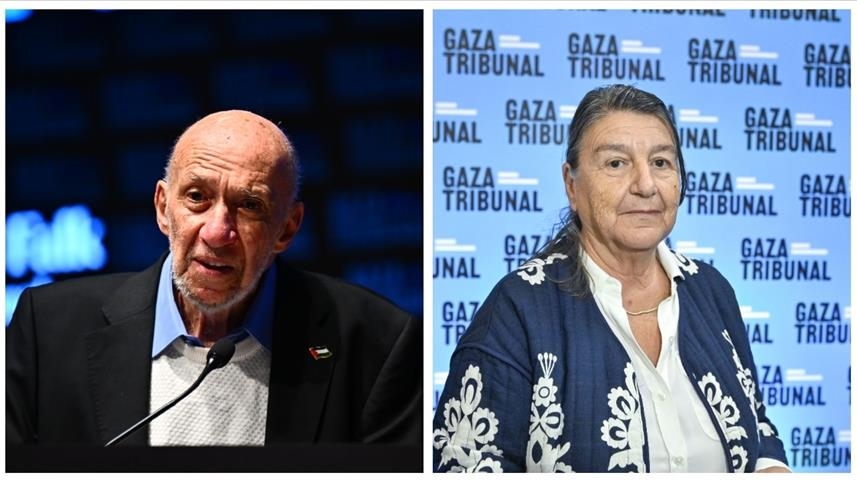
The event unfolded at the Ottawa International Airport. The two experts in question were Dr. S. Michael Lynk, the former UN Special Rapporteur on the situation of human rights in the Palestinian Territory, and Dr. Shaheen Sardar Ali, a renowned international law scholar and former member of the UN Working Group on Arbitrary Detention. Arriving to attend a civil society conference, they were pulled aside for secondary inspection.
For approximately 90 minutes, the two esteemed jurists were detained. Their personal phones were confiscated and scrutinized. They were subjected to a barrage of questions that extended far beyond the typical purview of customs and immigration. The border agents inquired deeply into their professional work, their political views, and the nature of the conference they were attending. This line of questioning, targeting the political and advocacy work of former UN officials, is what transforms this from a routine check into a significant diplomatic concern.
Why This Incident Matters: A Breach of Norm and Principle
At first glance, this might be dismissed as an isolated, albeit unfortunate, bureaucratic snafu. However, the profiles of the individuals involved and the nature of the questions elevate this to a matter of international principle.
Undermining Diplomatic Courtesies and International Law
Even though Dr. Lynk and Dr. Ali were traveling in their personal capacity as former mandate-holders, they carry with them a stature earned through years of service to the UN. The UN’s guidelines, particularly the 1946 Convention on the Privileges and Immunities of the United Nations, encourage states to extend courtesies to experts who have served the organization. The detention and intensive questioning of such figures is seen by many as a breach of these unwritten diplomatic norms and a failure to respect the institution they represented.
Chilling Effect on Advocacy and Free Speech
The specific focus on their professional work and political views is particularly alarming. When border officials delve into the content of a person’s advocacy, it creates a chilling effect. It sends a message that certain political viewpoints, particularly those critical of governments or aligned with specific causes, may subject individuals to heightened scrutiny. This can deter academics, activists, and human rights defenders from participating in important dialogues within Canada, stifling the very free speech and assembly that democratic nations pride themselves on.
A Question of Consistency and Transparency
This incident forces a public conversation about the consistency of Canada’s border enforcement. The CBSA operates with significant power and discretion, yet it is one of the few major law enforcement agencies in Canada without independent civilian oversight. This lack of a transparent complaint mechanism means that incidents like the one involving the UN experts are difficult to challenge or investigate publicly. It raises the question: was this an anomaly, or is it indicative of a broader pattern of profiling based on political activism, particularly concerning Palestinian human rights?
Broader Implications: The Canadian Context and Global Scrutiny
Canada has long projected an image of itself as a staunch defender of human rights and a rules-based international order. This self-perception is now facing a test.
Canada’s Stance on International Human Rights
For a country that frequently condemns arbitrary detention and the suppression of free speech abroad, this incident creates a troubling contradiction. The involvement of Dr. Ali, an expert on arbitrary detention, adds a layer of profound irony. When a nation’s actions appear to contradict its professed values, it damages its credibility and moral authority on the global stage. Canada’s allies and adversaries alike are watching how it handles this situation.
The Pattern of Border Scrutiny on Activists
While the detention of former UN rapporteurs is unprecedented, concerns about the CBSA’s treatment of activists are not new. There have been previous reports of individuals involved in various social justice causes, including environmental activism and Palestinian rights advocacy, facing intensive questioning at the border. This suggests a potential systemic issue where border policies are being used, whether intentionally or not, to screen individuals based on their political beliefs.
Looking Forward: The Need for Answers and Accountability
The detention of Dr. Lynk and Dr. Ali is more than a personal inconvenience; it is a symptom of a larger issue concerning power, oversight, and fundamental rights. To address the questions it raises, several steps are necessary:
- A Full and Transparent Explanation: The Canadian government, particularly Public Safety Canada which oversees the CBSA, must provide a detailed public account of the incident. Vague references to “standard procedures” are insufficient. What specific protocols led to the detention of these specific individuals?
- Independent Oversight for the CBSA: This event underscores the urgent need to establish an independent review body for the CBSA. Other major law enforcement agencies in Canada have such oversight, and the border service’s extensive powers demand equivalent accountability to the public.
- Clarification of Border Policies: There must be a clear and public reaffirmation that border officials will not profile or subject individuals to secondary screening based on their lawful political views, activism, or criticism of governments.
The world expects Canada to live up to its reputation. How it responds to this puzzling and concerning event will be a true measure of its commitment to the principles of justice, free speech, and diplomatic respect that it so often champions. The credibility of its border policies and its role as a global human rights leader now hangs in the balance.