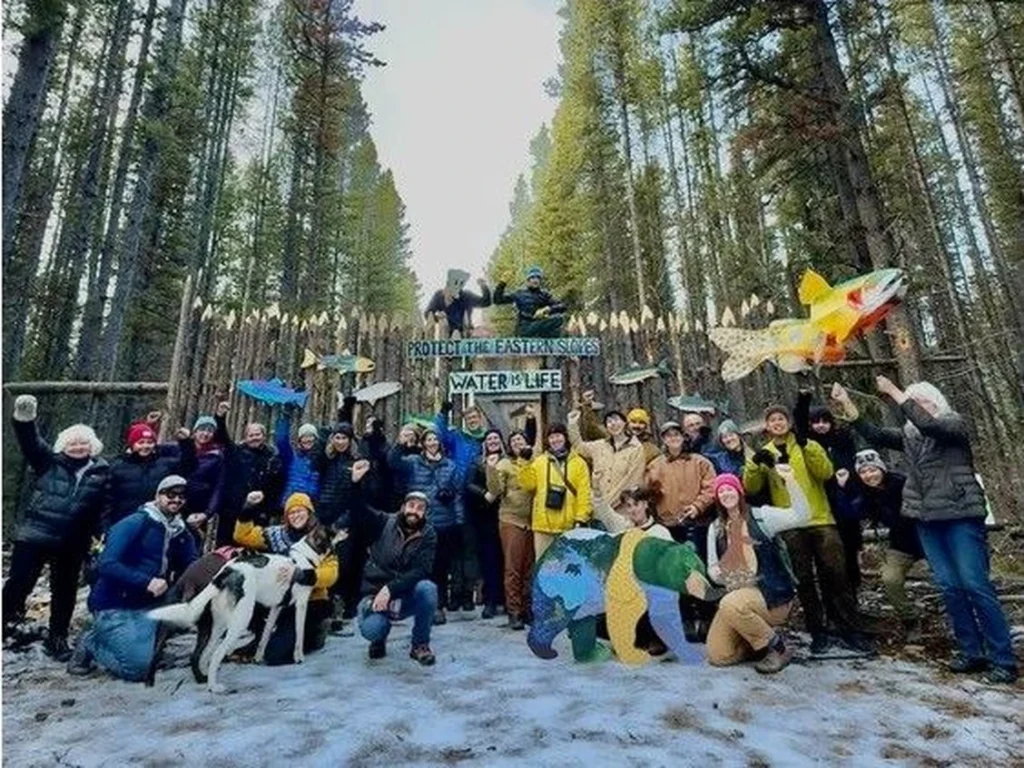
Protect Kananaskis: The Fight to Stop Alberta’s Clearcutting Crisis
Nestled in the heart of the Canadian Rockies, Kananaskis Country is more than just a scenic backdrop. For countless Albertans and visitors, it’s a sanctuary—a place of profound recreation, spiritual renewal, and ecological wonder. Yet, this cherished landscape faces a relentless and growing threat: industrial-scale clearcut logging. The push to protect Kananaskis from this practice has evolved from a whisper among conservationists to a roaring public mandate, highlighting a critical clash between resource extraction and the preservation of a public treasure.
The Heart of the Matter: What’s at Stake in Kananaskis?
To understand the urgency, one must first grasp what Kananaskis represents. Unlike a national park, Kananaskis is a multi-use public land area, managed by the province of Alberta. This “working landscape” designation has historically allowed for activities like forestry alongside recreation. However, the scale and location of recent logging plans have sparked widespread alarm.
The issue isn’t sustainable, selective forestry; it’s the practice of clearcutting—the removal of virtually all trees from a designated area. In the sensitive, steep slopes of Kananaskis, this method has devastating consequences:
A Line in the Sand: The Battle for the Upper Highwood
The conflict crystallized around planned logging in the Upper Highwood River valley, a region renowned for its untouched beauty and vital habitat. When forestry maps revealed extensive clearcut proposals in this area, a coalition of non-profits, local businesses, Indigenous voices, and tens of thousands of concerned citizens formed a powerful opposition movement.
Voices from the Front Lines
The campaign to protect Kananaskis is notable for its diverse and unified voice.
Beyond the Trees: The Policy Failure
This crisis exposes a deeper, systemic failure in land management. Critics argue that Alberta’s forestry policies are outdated, prioritizing timber quotas over integrated landscape planning. The current model often fails to adequately account for:
The “non-market” values of a forest—its role in carbon sequestration, water purification, tourism, and public well-being.
Cumulative effects, where the impact of logging, combined with climate change, increased recreation, and other industrial activity, pushes ecosystems past a tipping point.
The movement isn’t asking for an end to all forestry, but for a modernized approach. Key demands include:
A Watershed Moment for Alberta
The fight for Kananaskis is a microcosm of a global struggle: how do we value nature in the 21st century? It challenges the old paradigm that pits the economy against the environment, demonstrating that in today’s world, the health of our natural landscapes is the very foundation of long-term economic prosperity and community resilience.
The public pressure has already yielded some results, with the provincial government pausing some logging plans and announcing a new recreation management plan for the area. However, advocates remain vigilant, understanding that a pause is not permanent protection.
How You Can Help Protect the Legacy
The story of Kananaskis is still being written. Its future depends on sustained public engagement.
Kananaskis Country is a gift, one that demands our guardianship. The clearcutting crisis has ignited a powerful collective will to defend it. This is more than a fight about trees; it’s a defining choice about the identity of Alberta and what we leave for the generations who will follow our footsteps into these majestic hills. The call to protect Kananaskis is a call to recognize that some values—clean water, thriving wildlife, and soul-restoring wilderness—are simply too precious to cut down.