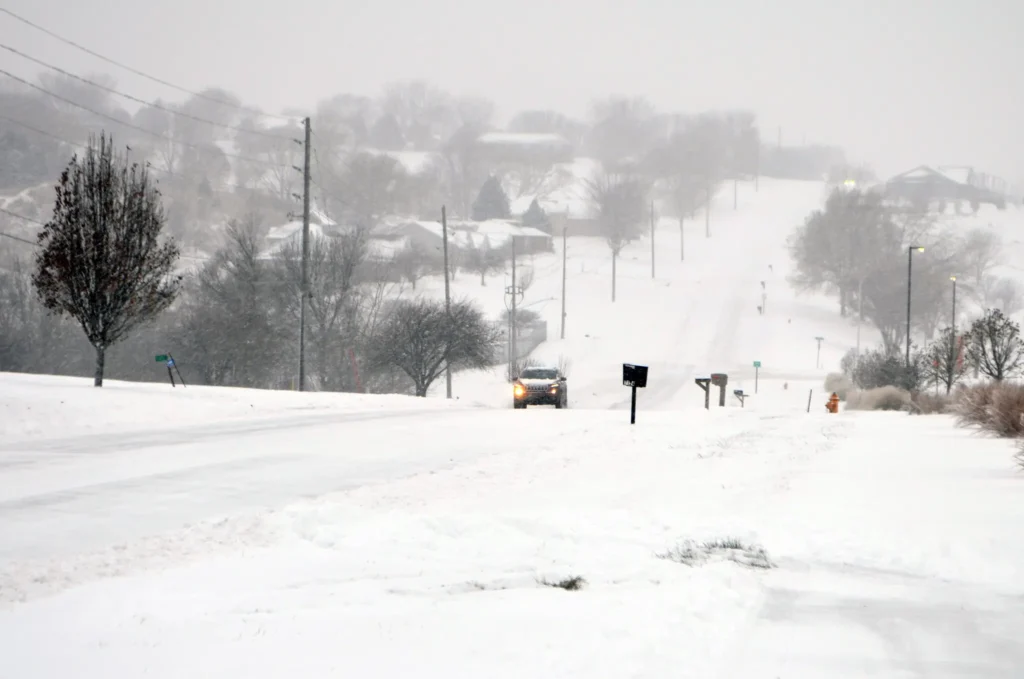
Midwest Snowstorm Disrupts Thanksgiving Travel With Over 1,100 Flight Cancellations
The Thanksgiving holiday, synonymous with family, feasts, and frantic travel, met a formidable foe this year: a massive winter storm blanketing the Midwest. What was meant to be a smooth journey home for millions turned into a logistical nightmare at airports across the heartland and beyond, as airlines were forced to cancel over 1,100 flights, stranding travelers and testing patience during one of the busiest travel periods of the year.
A Perfect Storm of Holiday Volume and Harsh Weather
The trouble began as a powerful system swept through key aviation hubs. Heavy snow, strong winds, and plummeting temperatures created hazardous conditions, making takeoffs and landings unsafe. The impact was most acutely felt at Chicago’s O’Hare International and Midway airports, Denver International Airport, and Minneapolis-St. Paul International—all major connecting points for domestic air travel.
This convergence of severe weather and peak holiday volume created a domino effect. A cancellation in Chicago doesn’t just affect passengers there; it grounds aircraft and crews needed for flights in New York, Los Angeles, and Dallas. This ripple effect meant that even travelers in cities with clear skies found their plans upended, as the network-wide disruption spread.
Travelers Face Chaos and Uncertainty
At airport terminals, the scene was one of growing frustration. Long, snaking lines formed at customer service desks as passengers scrambled to rebook. Social media filled with images of crowded gates and tales of missed family dinners.
For many, the emotional toll was as significant as the financial one. “I just wanted to see my grandkids,” shared one stranded traveler at O’Hare. “Now, I’m stuck here eating a pretzel, wondering if I’ll make it for Thanksgiving at all.”
How Airlines and Airports Responded to the Crisis
Airlines activated their irregular operations plans, offering fee waivers for changes for travelers flying through affected cities. These waivers allowed passengers to rebook without penalty, but did little to solve the fundamental issue of scarce available seats.
Airport crews worked tirelessly to clear runways and de-ice planes, but the rate of snowfall often outpaced their efforts. Inside, staff handed out water and blankets, while airlines set up extra cots in some locations. However, resources were stretched thin by the sheer scale of the disruption.
The event has reignited discussions about airline preparedness for extreme weather during peak seasons. While carriers cannot control the weather, critics point to scheduling practices that leave little margin for error. When every plane and crew is scheduled for maximum utilization, a single disruption can paralyze the system.
Proactive Steps for Future Holiday Travelers
This Thanksgiving travel meltdown serves as a stark reminder that holiday travel requires a backup plan. Based on lessons from this event, here’s how you can protect your future journeys:
The Broader Impact on the Holiday
The disruption extended far beyond airport terminals. Families adjusted menus and postponed celebrations, holding out hope for late arrivals. Rental car companies near affected airports saw inventories vanish, and interstate travel became treacherous for those attempting a last-minute road trip alternative.
Economically, the storm delivered a blow to local businesses that rely on Thanksgiving week traffic, from airport vendors to destination restaurants. Conversely, it provided an unexpected, if unwelcome, boom for airport hotels and nearby services.
Looking Ahead: Resilience in the Face of Winter
As climate patterns shift, intense weather events may become more frequent. This Thanksgiving storm underscores the vulnerability of our tightly coupled air travel system. It highlights the need for:
While the snow will melt and the runways will clear, the memories of this disrupted holiday will linger. For the aviation industry, it’s a call to build a more robust network. For travelers, it’s a lesson in the value of preparation, patience, and perhaps, the importance of a flexible attitude when nature decides to alter the best-laid plans. The journey home, however complicated, remains a testament to what we’re willing to endure for the warmth of family and the tradition of gratitude.