
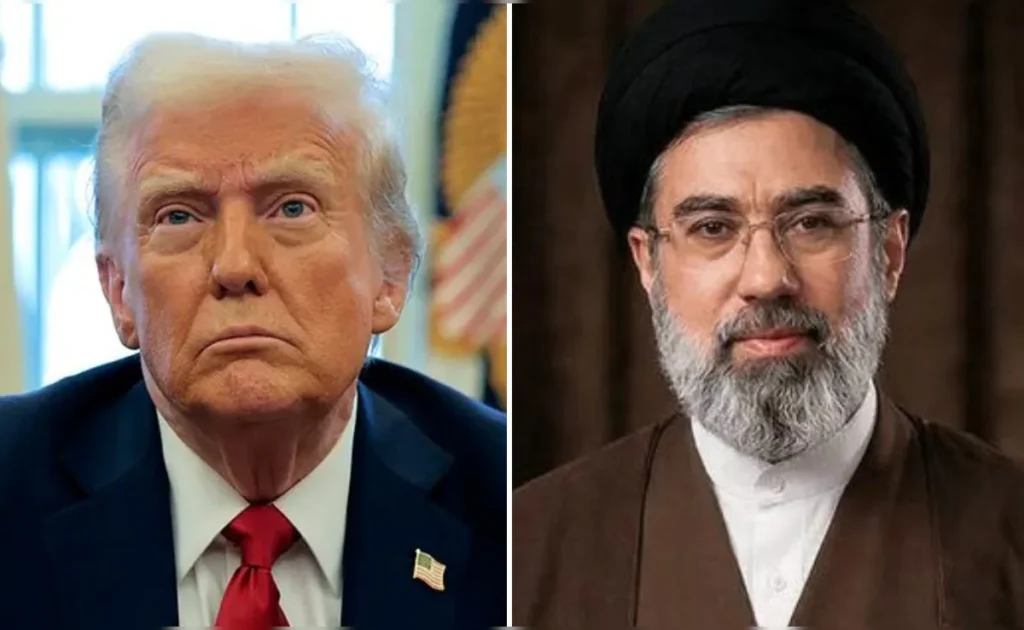
A New Peace Plan Emerges Amid Rising US-Iran Tensions
In a week marked by escalating rhetoric and the specter of conflict, a new diplomatic initiative has surfaced, aiming to de-escalate the volatile standoff between the United States and Iran. The proposal, delivered to both Washington and Tehran by an unnamed third party, arrives at a critical juncture, as former US President Donald Trump issued a stark warning concerning the security of a vital global oil artery.
The Strait of Hormuz: A Flashpoint in Global Tensions
The immediate catalyst for the heightened alarm is the strategic Strait of Hormuz. This narrow maritime chokepoint is arguably the world’s most important oil transit route, with about one-fifth of global oil consumption passing through its waters. Iran has long viewed control over the strait as a key strategic card, with senior military figures periodically threatening to close it in response to perceived aggression or severe economic sanctions.
The situation intensified recently when a prominent Iranian military commander reiterated that the strait would be “definitely closed” if what Iran terms “the enemy’s bullying” continues. This statement was a direct response to the increasing presence and activity of US naval forces in the region, deployed to ensure what Washington calls “freedom of navigation.”
Trump’s Stark Ultimatum
The Iranian warning did not go unanswered. Former President Donald Trump, in characteristically blunt terms, vowed severe consequences. He stated that any closure of the Strait of Hormuz **”would not last 24 hours”** and promised a response of unprecedented scale. This exchange has thrust the fragile security of the Middle East’s waterways back into the global spotlight, raising fears of a miscalculation that could spiral into open confrontation and send shockwaves through the global economy.
The Mysterious Peace Proposal: A Glimmer of Hope?
Amid this war of words, reports confirm that a formal peace proposal has been transmitted to both capitals. While the exact contents and the intermediary remain confidential, analysts suggest it likely outlines a framework for reciprocal de-escalation. Such a plan would potentially involve:
- Security Guarantees: Assurances from the US and its allies against military action.
- Economic Relief: A pathway to easing the crippling sanctions on Iran’s economy.
- Regional Dialogue: A commitment from Iran to address concerns about its missile program and regional activities through negotiation.
The mere existence of this proposal indicates that behind the public bravado, channels of communication remain open, and there are actors on all sides seeking to avoid a catastrophic conflict. However, the path to acceptance is fraught with deep-seated mistrust and decades of antagonism.
Navigating a Labyrinth of Mistrust and Geopolitics
The core of the US-Iran conflict is a fundamental clash of interests and ideology. The United States, along with its regional allies like Israel and Saudi Arabia, seeks to contain Iranian influence and prevent it from acquiring nuclear weapons capability. Iran, meanwhile, views US military presence in the Persian Gulf as an existential threat and demands the right to develop its economy free from what it sees as illegal sanctions.
The Stakes of the Current Moment
The current moment is particularly dangerous for several reasons:
- Leadership Transitions: Both the US and Iran are in periods of political flux, with hardliners in both camps gaining influence.
- Proxy Conflicts: Tensions are not confined to the Gulf; they play out in shadow wars across Yemen, Syria, and Iraq, increasing the risk of a triggering incident.
- Economic Pressure: Severe sanctions have crippled Iran’s economy, potentially making it more desperate or more willing to take risks.
For any peace plan to succeed, it must navigate this complex labyrinth. It would require politically difficult concessions from both sides, a willingness to sequence actions in good faith, and the diplomatic skill to manage the concerns of regional partners who fear being sidelined.
What Comes Next? Pathways Forward from the Brink
The international community is watching with bated breath. The delivery of the peace proposal is a first step, but the reaction from Washington and Tehran will be telling. Key questions remain:
* Will the current US administration engage with a proposal delivered amid Trump’s threats?
* Can the Iranian leadership, facing domestic pressure, afford to be seen as backing down?
* Is there enough political will to prioritize long-term stability over short-term tactical gains?
The alternative to diplomacy is grim. A military conflict in the Strait of Hormuz would not only cause immediate environmental and human tragedy but would also trigger a global energy crisis, skyrocketing oil prices, and potentially draw multiple nations into a wider regional war.
A Call for Pragmatism Over Posturing
While the new peace plan offers a fragile thread of hope, it is clear that de-escalation will require more than just a document. It demands courageous leadership, pragmatic diplomacy, and a shared recognition that the cost of war is unimaginably high. The world now waits to see if the leaders in Washington and Tehran will choose the difficult path of negotiation or continue down a road of threats and counter-threats that leads to an ever-narrowing ledge. The security of one of the world’s most critical waterways, and perhaps the stability of the entire region, hangs in the balance.

