
Peguis First Nation Flood Preparedness: A Community’s Proactive Fight Against Rising Waters
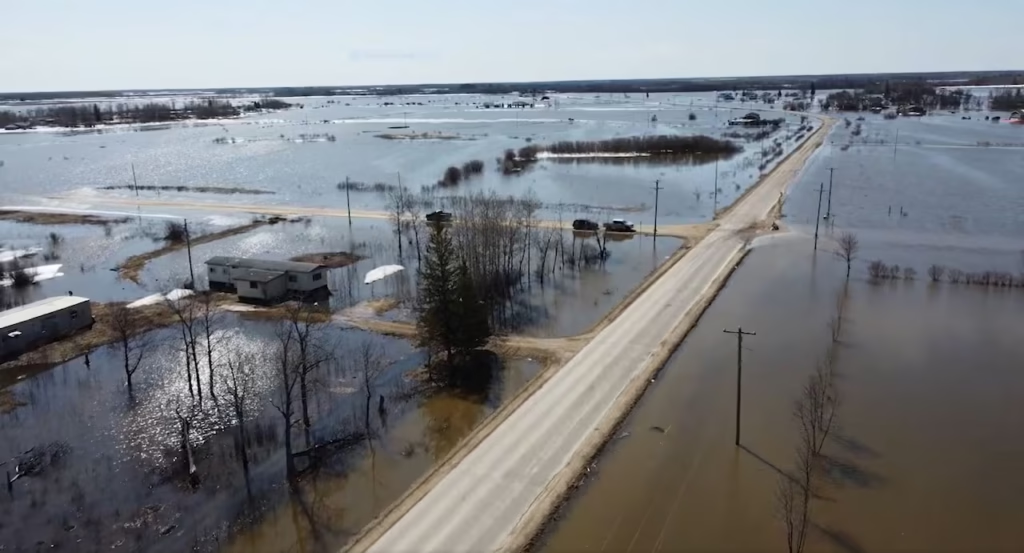
As the spring melt accelerates across Manitoba, the familiar, anxious rhythm of preparation returns to Peguis First Nation. The Fisher River, a lifeblood for the community, is swelling with the season’s runoff, threatening to overstep its banks once more. But this year, the story is not one of passive waiting. It is a narrative of powerful, proactive mobilization. A concerted defense is being mounted, with volunteers, emergency crews, and community members standing shoulder-to-shoulder in a race against the rising waters. This isn’t just about sandbags; it’s a profound demonstration of resilience, collaboration, and the hard-won wisdom that in the battle against floods, the most critical weapon is preparation.
A History of Resilience Meets a Proactive Present
Peguis First Nation is no stranger to the devastating power of water. Located on a historic floodplain along the Fisher River, the community has endured repeated, catastrophic flooding events that have displaced hundreds of residents, damaged homes and infrastructure, and left deep emotional and economic scars. Each event has been a harsh lesson, forging a community that is uniquely experienced in the dynamics of disaster.
This history is precisely why the current mobilization is so swift and determined. With hydrological forecasts signaling a high risk of significant overland flooding, the leadership of Peguis did not hesitate. Chief and Council activated their emergency operations plan early, shifting the community from a state of watchfulness to one of active defense. The sight of trucks delivering sand, volunteers streaming in, and crews working long hours is a direct result of this decisive action.
The core of this strategy is a simple but powerful principle: build the barrier before the water arrives. This pre-emptive approach is the key to mitigating damage, protecting critical assets like the health centre, school, and elder lodges, and ensuring the safety of every community member.
The Front Lines: Sandbags, Volunteers, and Solidarity
The most visible sign of the mobilization is the massive sandbagging operation underway. This is where community spirit transforms into a physical bulwark. Local crews are working extended shifts, but they are not alone. A critical boost has come from outside the community, including a dedicated team of volunteers from Winnipeg and surrounding areas. This influx of helping hands is more than just logistical support; it is a powerful symbol of solidarity.
The work is grueling and urgent. Teams are focused on:
- Filling and placing thousands of sandbags to create protective walls around vulnerable homes and infrastructure.
- Reinforcing existing dikes and berms that have shielded the community in past years.
- Deploying and setting up temporary, portable dam systems in key locations to divert water flow.
- Preparing and staging emergency supplies, from water pumps to generators, for rapid deployment.
Every sandbag laid represents an hour of labor and a measure of hope. It is a tangible effort to control what often feels uncontrollable.
A Coordinated Response: Partnership in Action
An effective emergency response cannot operate in a silo. The situation in Peguis highlights the vital importance of collaboration between First Nations leadership and various levels of government. This is not a disjointed effort; it is a coordinated partnership.
Indigenous Services Canada (ISC) has been actively engaged, confirming the deployment of emergency management personnel and providing essential logistical support. This federal assistance is crucial, helping to fund the massive material requirements—sand, bags, equipment—and expertise needed for such a large-scale operation.
Meanwhile, the Province of Manitoba’s hydrologic forecasters are providing constant updates, while emergency services remain on standby. This multi-layered support system works because it is built around the directives of the Peguis Chief and Council, who know their community’s geography and needs best.
This model of partnership ensures resources flow to where they are most needed, creating a unified front against the flood threat. It also includes planning for the next critical phase: potential evacuation. Preparations for emergency lodging and support for evacuees are being made in parallel with the physical defense, ensuring no one is left behind if waters rise too high.
The Long-Term Challenge: Seeking Solutions Beyond the Seasonal Fight
While the immediate focus is rightly on the emergency at hand, the annual flood threat in Peguis underscores a much larger, more complex issue. The community’s existence on a floodplain means this cycle of seasonal anxiety, mobilization, and potential displacement is a recurring reality. Sandbags are a temporary shield, not a permanent solution.
This reality keeps long-term discussions at the forefront. For years, Peguis leadership has been advocating for and working on sustainable mitigation and relocation plans. The goal is to move homes and critical community infrastructure out of the highest-risk flood zones permanently, breaking the cycle of damage and disruption.
The current emergency amplifies the urgency of these long-term projects. Each flood event reinforces the understanding that true resilience requires changing the landscape of risk itself. Investments in permanent flood mitigation infrastructure and supported relocation are investments in the future stability, health, and prosperity of the community. The courage shown in today’s sandbag line must be matched by sustained commitment to these long-term solutions.
How to Offer Meaningful Support to Peguis First Nation
For people across Manitoba and Canada watching the situation unfold, the instinct to help is strong. To ensure support is effective and respectful, it is best channeled through official and reputable avenues.
- Financial Donations: Consider donating to official, community-led emergency funds or to established relief organizations that have proven partnerships with First Nations. Financial support provides the flexibility for leadership to address the most pressing needs as they evolve.
- Respect Official Guidance: Unless specifically requested, unsolicited donations of physical goods (clothing, food) can create logistical challenges. The most needed resource is often funding to purchase exactly what is required, locally when possible.
- Amplify Official Information: Follow and share updates from Peguis First Nation’s official website and social media channels. Also, monitor the Government of Manitoba’s flood reports. Sharing accurate information helps combat misinformation.
- Educate and Advocate: Understand the historical and ongoing context of flood vulnerability for Peguis and other First Nations. Support policies and initiatives that fund long-term mitigation and climate adaptation infrastructure in Indigenous communities.
A Spirit Unbroken by Water
The image of Peguis First Nation today is one of powerful, collective action. It is a community drawing on deep wells of experience, fortified by partnership, and driven by an unwavering will to protect what matters most. They are not simply victims of a natural event; they are active agents in their own defense. The rising waters of the Fisher River present a formidable challenge, but they are meeting it with a more formidable force: unity, preparation, and an indomitable spirit of resilience. Their fight is a reminder that the strongest barriers are often built not just from sand, but from solidarity.

