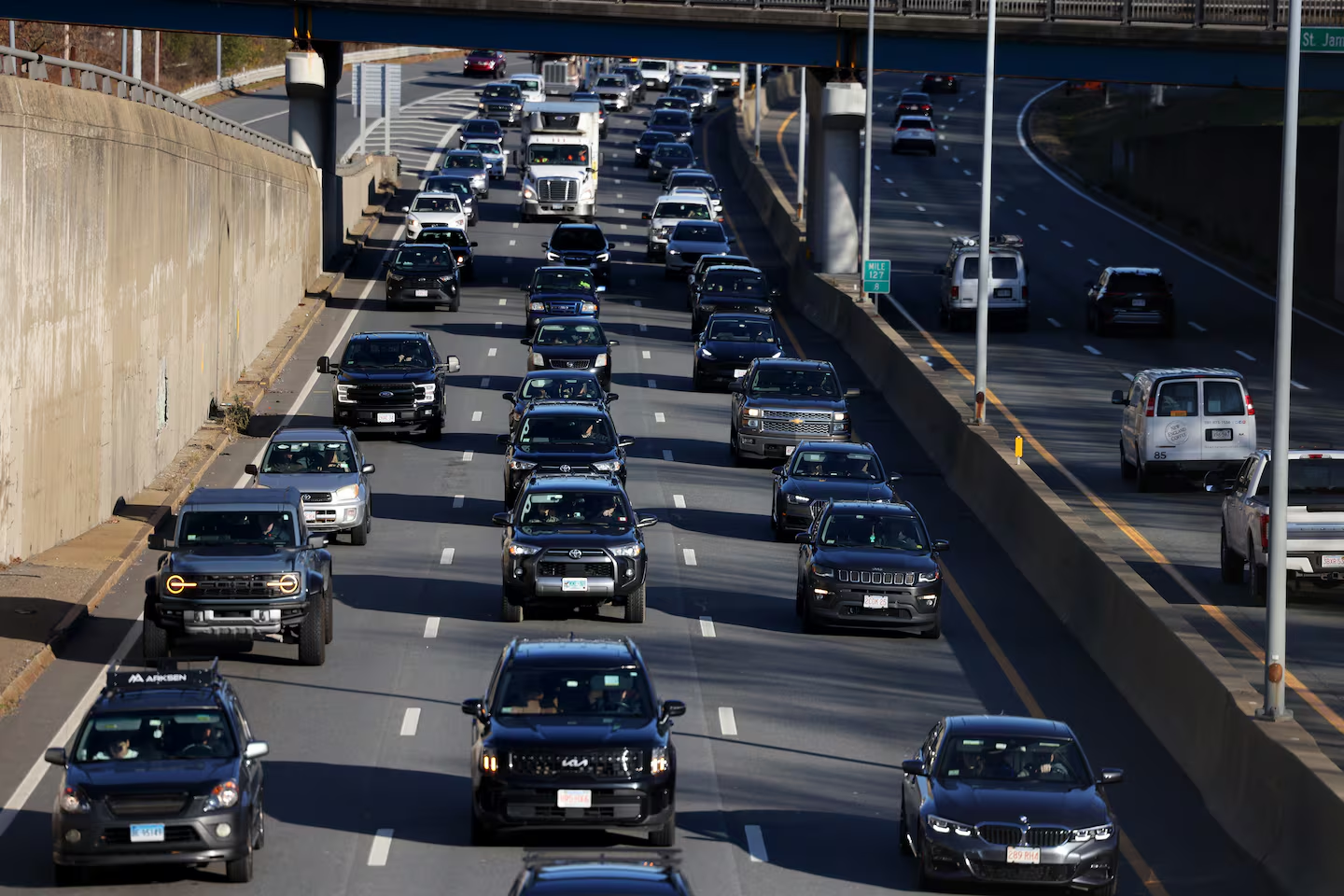
Boston Holiday Travel Chaos: Planes, Trains, and Cars Snarled
A powerful pre-Christmas storm has unleashed travel chaos across the Northeast, with Boston’s Logan International Airport and surrounding transit networks bearing the brunt of the disruption. What many hoped would be a smooth start to the holiday journey has instead become a nightmare of cancellations, delays, and hazardous road conditions, leaving thousands of travelers stranded and scrambling for alternatives just days before Christmas.
The severe weather system, bringing a mix of heavy rain, strong winds, and rapid temperature drops, has created a perfect storm for transportation failures. From grounded flights to halted commuter rails and treacherous highways, the region’s infrastructure is struggling to cope, underscoring the fragility of travel plans during the winter season.
A Perfect Storm of Weather Woes
The trouble began with an intense low-pressure system that swept across the region. Unlike a classic nor’easter dumping feet of snow, this storm presented a more complex and damaging threat profile:
Wind and Rain Take the First Swing
Initial heavy rainfall, with some areas seeing over two inches, led to significant urban and coastal flooding. This was quickly followed by ferocious wind gusts, recorded at over 60 mph along the coast and even stronger offshore. These winds were the primary culprit for initial flight disruptions, making takeoffs and landings unsafe.
The Flash Freeze Complication
The most dangerous phase of the storm was the rapid plunge in temperatures. As cold air rushed in behind the system, all that standing water from the rain instantly turned to ice on roads, walkways, and aircraft surfaces. This “flash freeze” phenomenon created a layer of black ice, making ground operations for airlines perilous and turning highways into skating rinks.
Logan Airport Brought to a Near Standstill
The impact at Boston Logan International Airport was severe and cascading. The combination of high winds and icy conditions created an operational quagmire.
* Mass Cancellations and Delays: Hundreds of flights were canceled outright, with many more facing multi-hour delays. The domino effect of these disruptions is expected to ripple through the national air system for days.
* De-icing Bottlenecks: The need to de-ice every single aircraft before departure created enormous queues on the tarmac. Planes waited for hours for their turn at the de-icing pads, further compounding delays.
* Terminal Crowding: With flights not departing but some still arriving, terminals became packed with frustrated travelers. Long lines snaked from airline service desks as passengers tried to rebook on already-full flights.
Travelers are advised to check their flight status directly with their airline before heading to the airport and to expect continued residual delays even as the weather clears.
Regional Transit Grinds to a Halt
The chaos was not confined to the skies. Boston’s extensive ground transit network experienced major failures, crippling commuter and intercity travel.
Commuter Rail and MBTA Disruptions
The Massachusetts Bay Transportation Authority (MBTA) reported significant issues across its system. Icy tracks and downed trees from the high winds forced suspensions and severe delays on multiple commuter rail lines. Even subway and bus services faced slowdowns due to icy roads and switches, leaving many without their usual reliable transit options.
Amtrak Services Impacted
Amtrak was forced to cancel or modify several key routes in and out of Boston’s South Station. The popular Northeast Regional and Acela services, vital links to New York, Washington, and beyond, were disrupted due to the weather-related hazards on the tracks.
Treacherous Road Conditions Snarl Highways
For those attempting to drive to their holiday destinations, the journey proved especially dangerous. The flash freeze transformed major highways like I-93, I-95, and the Mass Pike into hazardous pathways.
* Black Ice Everywhere: The invisible sheen of black ice on roadways led to a spike in accidents, from minor fender-benders to more serious multi-car collisions.
* Spin-Outs and Abandoned Vehicles: Social media was flooded with images of cars spun out in ditches and abandoned on highway shoulders, testament to the sudden loss of traction.
* Official Warnings Ignored: Despite urgent warnings from state police and the Massachusetts Department of Transportation (MassDOT) for people to avoid unnecessary travel, many still ventured out, overwhelming emergency responders.
State transportation officials have been working around the clock, deploying thousands of tons of salt and sand, but the sheer speed of the freeze made it a relentless battle.
Traveler Tips for Navigating the Aftermath
If you have essential travel plans in the coming days, preparation and patience are your most valuable assets. Here’s how to navigate the ongoing disruption:
* Verify, Then Verify Again: Do not assume your flight, train, or bus is running. Confirm its status directly with the carrier multiple times before you leave home.
* Allow Massive Extra Time: If you must drive, plan for a journey that could take three to four times longer than usual. Drive slowly, increase following distance dramatically, and avoid sudden movements.
* Pack a Winter Emergency Kit: Have blankets, water, snacks, a phone charger, and any necessary medication in your vehicle.
* Embrace Flexibility (If Possible): Consider postponing your trip by a day if you have the flexibility. The system needs time to recover and reaccommodate the backlog of stranded passengers.
* Know Your Rights: Familiarize yourself with airline passenger rights regarding cancellations and lengthy delays, as you may be entitled to refunds or accommodations.
A Sobering Reminder for Holiday Travel
This storm serves as a stark annual reminder of the power of winter weather to dismantle even the best-laid travel plans. While meteorologists accurately predicted the severity of this system, the practical impact on dense, interconnected transportation hubs like Boston is always profound.
As clean-up crews work to restore normalcy and transportation officials assess the damage, the key takeaway for future holiday travelers is clear: monitor forecasts relentlessly, build in significant buffers, and always have a “Plan B.” The dream of a seamless holiday journey often meets the reality of a New England winter, and this week, winter won decisively. For those still hoping to reach their loved ones for Christmas, the journey will require an extra measure of caution, patience, and resilience.