President Maduro Captured — What Happened

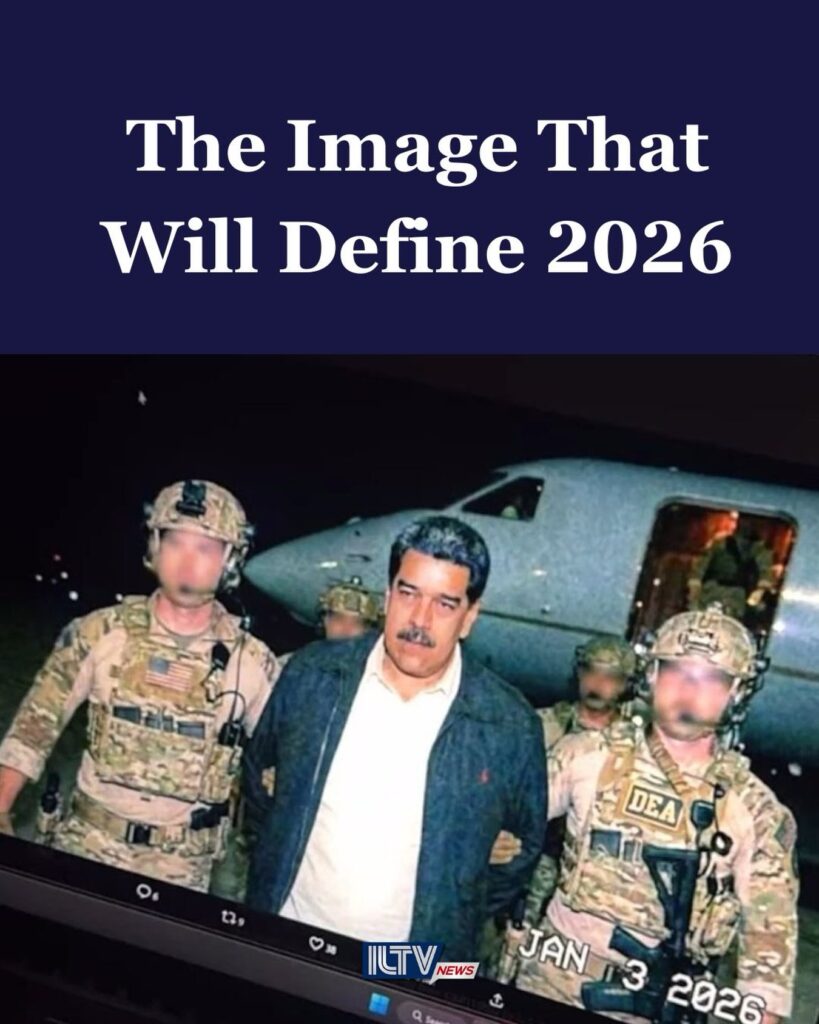
In a historic turn of events, Venezuelan President Nicolás Maduro and his wife, Cilia Flores, were captured in a major United States military operation early on January 3, 2026. The operation marks a significant escalation in tensions between the United States and Venezuela, with potentially wide-reaching implications for the region and global geopolitics.

The Operation
According to official reports, the U.S. conducted a large-scale military strike in Caracas, targeting key military and strategic locations before executing a precise capture of Maduro and his wife. Both were reportedly removed from the country, though their current location remains undisclosed.
Explosions and low-flying aircraft were reported in several districts of Caracas, accompanied by fires, power outages, and heavy activity around military complexes and air bases. Venezuelan authorities condemned the events as foreign aggression and a violation of national sovereignty.
Why It Happened
The United States has long accused Maduro’s regime of corruption, election fraud, and involvement in international drug trafficking. Officials justified the operation based on prior criminal charges against Maduro and his inner circle. Years of diplomatic and economic pressure appear to have culminated in this unprecedented military action.
Global Reaction
The operation prompted strong international reactions. Countries including Russia, Iran, and Cuba denounced the strike as a violation of Venezuela’s sovereignty. European leaders called for restraint and adherence to international law. Neighboring Colombia increased border security in anticipation of potential instability or refugee flows.
What This Means for Venezuela
With Maduro removed from power, Venezuela faces a period of political uncertainty. Government officials demanded proof of life for the detained president and his wife, while opposition groups and international observers debate potential paths for transitional governance. Instability remains a major concern as the country navigates this unprecedented situation.
Historical Context
If confirmed, this operation would be one of the rare instances in modern history where one country directly apprehends the sitting president of another without a formally declared war. Comparisons are limited to past U.S. interventions, such as the capture of Panama’s Manuel Noriega, but this event stands out for its scale and global impact.