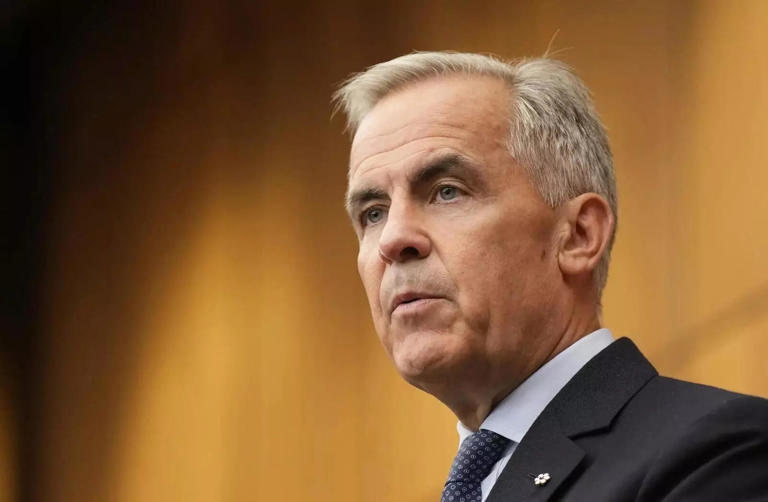
Canadian Economy Braces for $50 Billion Blow from US Tariffs
The economic relationship between Canada and the United States, one of the world’s largest and most integrated, has been jolted by a stark warning. Former Bank of Canada Governor and current Prime Minister Mark Carney has issued a sobering assessment, indicating that newly proposed U.S. tariffs could extract a staggering $50 billion from the Canadian economy. This forecast has sent ripples of concern across industries, government corridors, and households, prompting a critical examination of the nation’s economic resilience and strategic response.
The Core of the Crisis: Understanding the Proposed Tariffs
At the heart of this economic alarm is a series of potential tariff increases from the United States. While the exact product categories may evolve, the focus is expected to be on key Canadian export sectors. Historically, such measures have targeted areas like:
Prime Minister Carney’s $50 billion figure isn’t just an abstract number; it represents a direct hit to national GDP, corporate profitability, and, ultimately, the financial well-being of Canadian families through potential job losses and higher costs.
How a $50 Billion Economic Impact Translates to Everyday Canadians
The phrase “wiping $50 billion from the economy” can feel distant. But the mechanics of how this loss permeates society are very concrete. This is not just a government or corporate problem; it’s a household one.
Direct Threats to Employment and Industries
Tariffs make Canadian goods more expensive and less competitive in the U.S. market, which absorbs about three-quarters of Canada’s exports. Facing reduced orders, companies would be forced to:
Communities reliant on manufacturing, resource extraction, and export-focused agriculture would feel the immediate pain, leading to regional economic decline.
The Inflation and Cost-of-Living Squeeze
Economic contraction and trade barriers often lead to inflation. If the Canadian dollar weakens in response to the economic shock, the cost of importing goods—from fresh produce to electronics—rises. Furthermore, industries facing higher costs for imported components (due to reciprocal measures or supply chain issues) will pass those costs onto consumers. This creates a dangerous cycle where wallets are stretched thinner as economic growth stalls.
Erosion of Investment and Business Confidence
Uncertainty is the enemy of investment. The threat of escalating tariffs makes Canada a less attractive destination for both domestic and foreign capital. Businesses may delay or cancel projects, stifling innovation and long-term productivity growth. This erosion of confidence can prolong economic recovery and hinder Canada’s ability to compete in a global market.
Strategic Crossroads: Canada’s Potential Paths Forward
Faced with this formidable challenge, the Canadian government and private sector are not without options. The response will likely be multi-faceted, combining diplomacy, economic policy, and strategic realignment.
Diplomatic Engagement and Coalition Building
The first and most immediate line of defense is vigorous diplomatic engagement with U.S. administration officials and lawmakers. Canada will emphasize:
Building coalitions with U.S. state governors, industry groups, and like-minded trading partners will be crucial to amplifying this message.
Domestic Economic Resilience and Diversification
While defending free trade, Canada must also accelerate plans to future-proof its economy. This crisis underscores the urgency of:
Preparing for Escalation and Legal Recourse
Canada must also prepare for the scenario where tariffs are imposed. This includes:
A Defining Moment for the Canadian Economy
Prime Minister Mark Carney’s $50 billion warning is a clarion call for economic vigilance. It highlights the profound vulnerability that comes with deep economic interdependence, even as it underscores the immense benefits that relationship has historically provided. The coming months will test Canada’s diplomatic skill, economic agility, and political unity.
The path forward requires a balanced strategy: fighting aggressively to preserve free trade with its closest ally while simultaneously taking bold, concrete steps to broaden Canada’s economic foundations and reduce its strategic dependencies. The outcome will determine not just a single year’s GDP figure, but the trajectory of Canadian prosperity for years to come. For Canadian families, businesses, and policymakers, the message is clear: the era of taking cross-border trade for granted is over, and the work to secure a resilient economic future is now.