Why the Border Bill Threatens Minnesota’s Beloved BWCA Wilderness
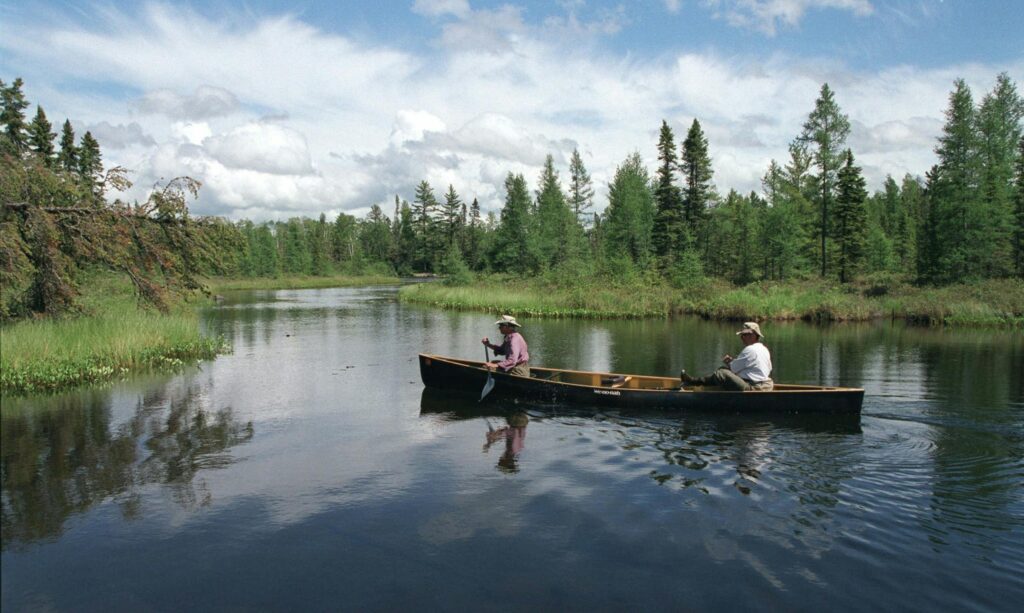
For generations, the Boundary Waters Canoe Area Wilderness (BWCAW) has stood as a crown jewel of the American wilderness. This million-acre expanse of pristine lakes, ancient forests, and silent trails is more than a destination; it’s a sanctuary for wildlife, a pillar of Minnesota’s identity, and a sacred place for reflection and adventure. Now, a piece of federal legislation, broadly categorized under the “border bill” umbrella, is casting a long and troubling shadow over this fragile ecosystem. While national security is paramount, conservationists and local advocates are sounding the alarm that the bill’s specific provisions could unlock the door to industrial development that the BWCA has been protected from for decades.
The Heart of the Conflict: Land Exchanges and Mining Threats
At the core of the controversy are legislative riders attached to the broader border security bill. These riders are designed to force a land exchange between the U.S. Forest Service and mining interests. The goal is to transfer federally protected lands within the Superior National Forest, specifically areas rich in copper, nickel, and other metals, into private hands. In return, the public would receive other parcels of land.
Proponents argue this is a simple swap, but opponents see it as a direct threat to the hydrological and ecological integrity of the BWCAW. The targeted lands are in the Rainy River Watershed, which drains directly into the Boundary Waters. This isn’t a matter of distance; it’s a matter of direct connection. The fear is that this exchange would pave a regulatory shortcut for sulfide-ore copper mining on the very doorstep of the wilderness.
Why Sulfide-Ore Mining is a Unique Danger
Not all mining is created equal. The proposed mining near the BWCA would target sulfide ores. When sulfide rock is exposed to air and water during excavation, it produces acid mine drainage—a toxic, sulfuric acid runoff that leaches heavy metals like mercury, lead, and arsenic from surrounding rock.
The environmental record of sulfide-ore mining, even with modern safeguards, is fraught with contamination incidents. Given the interconnected waterways, abundant rainfall, and porous geology of northern Minnesota, the risk of permanent, irreversible pollution of the BWCA is exceptionally high. The potential consequences are stark:
Beyond the Border: A Local Issue with National Repercussions
Labeling this as merely a “border bill” issue is misleading. The attachment of these land swap riders represents a national policy concern about the sanctity of designated wilderness. The 1964 Wilderness Act defines wilderness as “an area where the earth and its community of life are untrammeled by man.” The proposed actions directly contradict this spirit by facilitating industrial activity in a protected watershed.
This sets a dangerous precedent. If a place as iconic and legally protected as the Boundary Waters can be opened to such risk through a legislative maneuver in an unrelated bill, no federally protected wilderness in America is truly safe. It undermines decades of established environmental review processes, like the ongoing scientific study by the U.S. Forest Service which previously recommended a 20-year mining moratorium on these lands due to the unacceptable risk.
The Stakes for Minnesota’s Legacy
The fight for the BWCA is not new. It has been protected through the tireless efforts of everyday citizens, from the days of Sigurd Olson to the modern campaign that led to the permanent ban on mining in the watershed under the Biden administration. This current legislative effort is seen as an end-run around that hard-won protection.
For Minnesotans, the BWCA is part of the state’s soul. It’s where families forge lifelong memories, where veterans find peace, and where young people learn stewardship. The threat isn’t just to the water and trees; it’s to a cultural heritage and a way of life. The economic argument for mining is short-term, while the sustainable economy of outdoor recreation and the intrinsic value of a clean, intact wilderness are perpetual.
What Can Be Done? The Path Forward for Protection
The situation, while urgent, is not without hope. Public awareness and vocal opposition are powerful tools. The attachment of these riders has sparked a bipartisan coalition of conservation groups, business owners, and outdoor enthusiasts to take action.
Key steps to protect the BWCA include:
The Boundary Waters Canoe Area Wilderness is a gift—one that was preserved for us by past generations and one we are obligated to pass on, unspoiled, to the future. The current legislative threat is a test of that stewardship. It reminds us that even places with the strongest protections require constant vigilance. The clear, clean water, the call of the loon, and the profound silence of the BWCA are not guaranteed. They are defended by choice. As this debate moves forward, the fundamental question remains: Will we allow a legislative shortcut to jeopardize a natural treasure that defines Minnesota, or will we choose to honor the wilderness legacy we inherited? The answer will echo for generations to come.