Atlantic Canada Paralyzed by Powerful Nor’easter: Travel Chaos and Outages
A fierce and sprawling nor’easter has unleashed its fury on Atlantic Canada, transforming a typical winter day into a scene of widespread disruption and danger. The powerful storm, which swept across the region, delivered a punishing combination of heavy, wind-whipped snow and hurricane-force gusts, leading to massive power outages, crippled transportation networks, and urgent safety warnings from officials. Communities from Nova Scotia to Newfoundland are grappling with the aftermath as the slow-moving system continues its path.
A Perfect Storm of Snow and Hurricane-Force Winds
This wasn’t just a simple snowstorm. Meteorologists identified this system as a classic, potent nor’easter, fueled by the clash of cold Arctic air and moisture from the Atlantic Ocean. The result was a textbook scenario for extreme winter weather in the region.
Key Impacts of the Storm System:
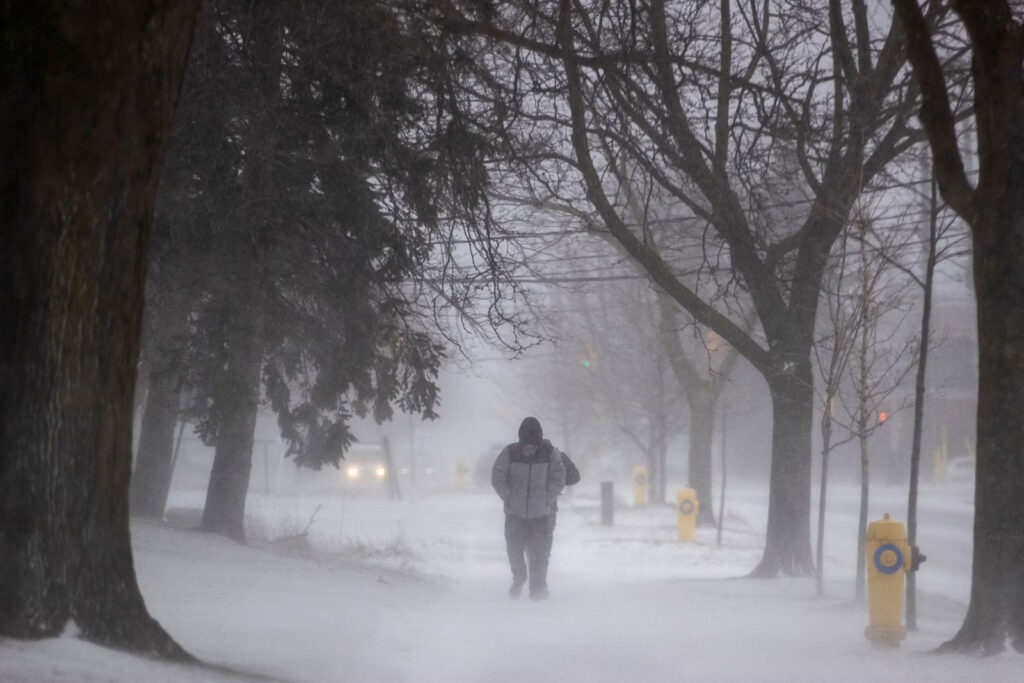
- Blizzard Conditions: Heavy snowfall rates of 2 to 5 centimeters per hour were reported, significantly reducing visibility. In many areas, the snow was accompanied by intense winds, creating whiteout conditions and making travel not just difficult, but life-threatening.
- Damaging Wind Gusts: The wind component was particularly severe. Gusts were recorded well over 100 km/h in coastal areas, with some locations reporting hurricane-force gusts exceeding 120 km/h. These winds were the primary driver of widespread power outages.
- Coastal Flooding and Erosion: The intense onshore winds, combined with high astronomical tides, led to significant storm surge. Coastal communities faced flooding, splashover, and damage to infrastructure, with residents urged to stay away from shorelines.
Transportation Grinds to a Halt
The storm’s impact on travel was immediate and severe. Provincial transportation departments across the region took the rare step of closing major highways to all non-essential traffic. Roads became treacherous, with blowing snow creating massive drifts and hiding black ice.
- Flight Cancellations: Air travel was thrown into chaos. Major airports, including Halifax Stanfield International Airport and St. John’s International Airport, experienced mass cancellations and delays. Airlines urged passengers to check their flight status extensively before heading to the airport.
- Marine and Ferry Disruption: Marine Atlantic and other ferry services suspended crossings due to the dangerous sea state and poor visibility, stranding travelers and disrupting the movement of goods to island communities.
- Public Transit Suspensions: Municipal transit services in hardest-hit cities like Halifax and St. John’s were suspended for much of the storm’s peak, leaving residents without a means of public transportation.
Local police forces repeatedly emphasized warnings for drivers to stay off the roads, not only for their own safety but to allow snowplow and emergency crews to operate effectively.
Widespread Power Outages Leave Thousands in the Dark
The hurricane-force winds proved too much for utility infrastructure. Tens of thousands of customers lost power across Nova Scotia, Prince Edward Island, and Newfoundland as trees and branches, laden with heavy wet snow, toppled onto power lines.
Utility companies like Nova Scotia Power and Newfoundland Power had crews on standby, but restoration efforts were hampered by the ongoing storm conditions. Officials warned that in some areas, it could be multiple days before power is fully restored, especially in remote communities where access was blocked by snowdrifts.
Emergency management organizations activated comfort centers in various communities for those without heat or power, emphasizing the importance of checking on vulnerable neighbors during such an extreme event.
Community Response and Safety Warnings
In the face of the paralyzing storm, the response from communities and officials was unified around a single message: safety first. Provincial governments, municipal offices, and schools announced widespread closures, keeping people at home and off the dangerous roads.
Critical Public Safety Advice Issued:
- Stay Home: The most repeated directive from all authorities was for residents to avoid all non-essential travel until the storm passed and clean-up efforts were well underway.
- Prepare for Prolonged Outages: Residents were advised to have emergency kits ready, including batteries, flashlights, non-perishable food, water, and alternative heating sources that can be used safely.
- Use Generators Safely: With many relying on generators, officials issued stern warnings about carbon monoxide poisoning, stressing that generators must be operated outdoors and well away from windows and vents.
- Avoid Coastal Areas: Due to the risk of storm surge and unpredictable waves, people were told to stay far back from shorelines and harbours.
The Long Road to Recovery
As the core of the nor’easter finally begins to push away from the coast, the focus for Atlantic Canada shifts from weathering the storm to the monumental task of recovery. While snowfall will taper, strong winds are expected to persist, slowing down repair and restoration efforts.
Clean-up will be a multi-day process. Plow operators face the challenge of moving massive amounts of snow, often blocked by downed trees and power lines. Utility crews will work around the clock, but patience is required as they address extensive damage in challenging conditions.
This storm serves as a stark reminder of the raw power of Atlantic Canada’s winter weather. Nor’easters are a formidable force of nature, capable of bringing daily life to a standstill. The event underscores the importance of personal preparedness, heeding official warnings, and community solidarity in the face of such significant weather events. As the region digs out, the resilience of its people is once again being put to the test, with neighbors helping neighbors to overcome the deep freeze and disruption left behind.