Canada’s PM Celebrates FIFA World Cup Win Amid Eased Trade Tensions
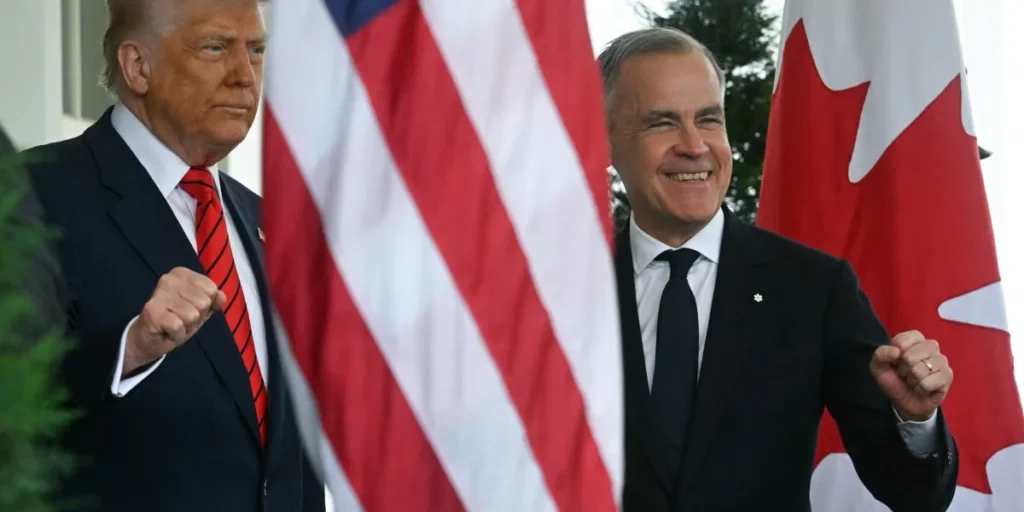
In a moment that perfectly blended sports, diplomacy, and national pride, Prime Minister Justin Trudeau joined a high-profile celebration in Washington, D.C., marking a historic victory far from the soccer pitch. The event, co-hosted by former Bank of Canada governor Mark Carney, wasn’t for a recent match, but for Canada’s successful bid to co-host the 2026 FIFA World Cup. This celebratory gathering, however, was set against a backdrop of significantly improved cross-border relations, offering a powerful symbol of a new chapter in Canada-U.S. affairs.
A Victory Party with Diplomatic Undertones
The celebration at the Canadian embassy in Washington brought together a notable mix of political, sporting, and business leaders. The presence of U.S. Commerce Secretary Gina Raimondo and other senior Biden administration officials sent a clear message: America was celebrating alongside its northern neighbor.
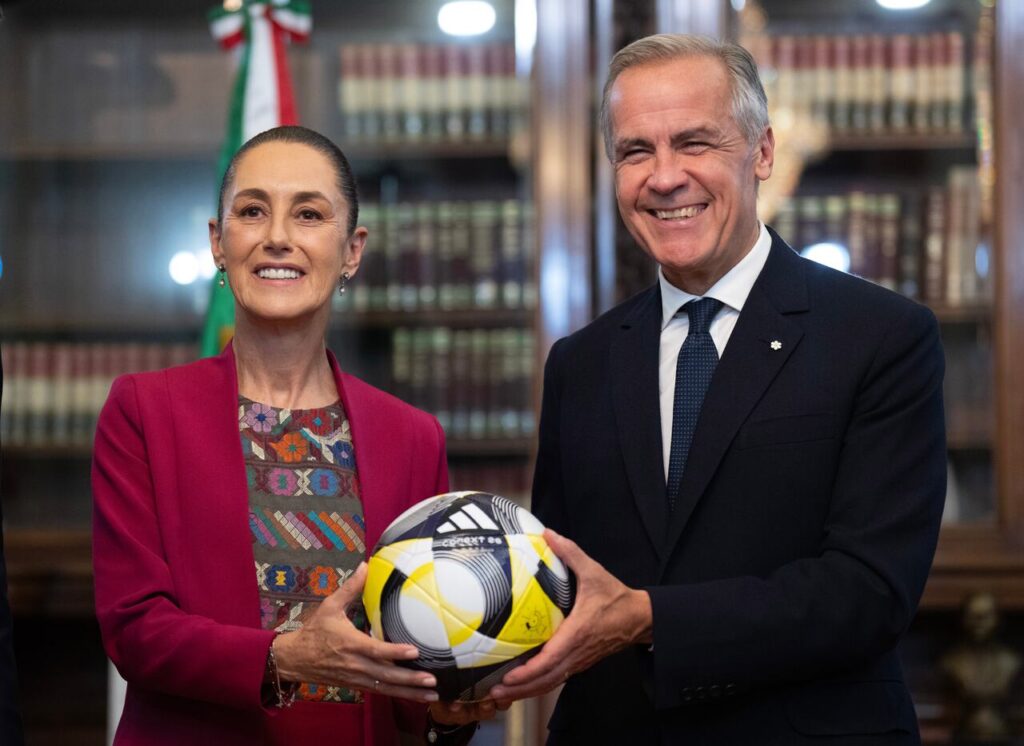
At the heart of the event was the recognition of a monumental achievement for Canadian soccer. Winning the right to co-host the 2026 World Cup with the United States and Mexico is a generational opportunity. It promises to boost tourism, infrastructure, and the sport’s profile nationwide. As Mark Carney, now a key figure in the bid and a potential political force himself, stated, the event was about “celebrating football,” but also about the powerful partnership that made it possible.
Yet, the轻松 (relaxed) atmosphere and genuine congratulations represented something more profound than just sporting glory. It stood in stark contrast to the diplomatic climate of just a few years prior.
The Shadow of Past Tensions: A Trade War Thawed
To fully appreciate the significance of this warm Washington welcome, one must recall the recent past. The previous U.S. administration had embarked on a fraught trade renegotiation, imposing tariffs on Canadian steel and aluminum under the guise of national security. This move ignited a bitter trade dispute, with Canada retaliating with targeted counter-tariffs.
For years, the Canada-U.S. relationship was dominated by:
The renegotiated Canada-United States-Mexico Agreement (CUSMA) was a hard-won compromise, but tensions lingered even after its signing. The World Cup bid itself became an unexpected casualty when the Trump administration threatened visa restrictions on citizens of countries perceived as uncooperative—a list that, at one point, included co-host Mexico.
A New Chapter Under the Biden Administration
The change in U.S. leadership marked a deliberate pivot. The Biden administration prioritized mending alliances and adopting a more collaborative approach with traditional partners. Key steps included:
The World Cup celebration was a tangible fruit of this diplomatic repair work. The event symbolized a return to a partnership where joint achievements are celebrated together, without the cloud of economic confrontation.
More Than a Game: The Strategic Power of Shared Goals
The 2026 FIFA World Cup is now a cornerstone of this renewed partnership. It is a decade-long project that requires unprecedented coordination between the three host nations on:
This shared endeavor acts as a forcing function for continued cooperation and goodwill. It creates countless touchpoints and committees where U.S. and Canadian officials work toward a common, positive goal—a stark contrast to negotiating under the threat of tariffs.
Carney’s Role and Domestic Implications
The event also highlighted the evolving role of Mark Carney. His leadership in the World Cup bid and his central presence in Washington fuel ongoing speculation about his political future in Canada. His ability to navigate elite circles in both Ottawa and Washington positions him as a figure with significant diplomatic and economic capital, potentially valuable in any future government role.
A Symbolic Win with Real-World Impact
While the embassy party was a single evening, its symbolism resonates deeply. The image of U.S. cabinet officials toasting Canada’s success represents a normalized and productive relationship. For businesses, it reinforces stability and predictability in the vital trading relationship. For diplomats, it creates a reservoir of goodwill to draw upon during inevitable future disagreements.
The 2026 World Cup will be a spectacular festival of sport. But its legacy may extend beyond the final whistle. It has already helped cement a post-trade-war détente, providing a positive, shared project that reinforces why the Canada-U.S. partnership, despite its occasional friction, remains one of the most powerful and interconnected in the world. The celebration in Washington wasn’t just about winning the bid; it was a celebration of winning back a more reliable and collaborative partnership.