
Trump Claims US Nears Historic Peace Deal with Iran
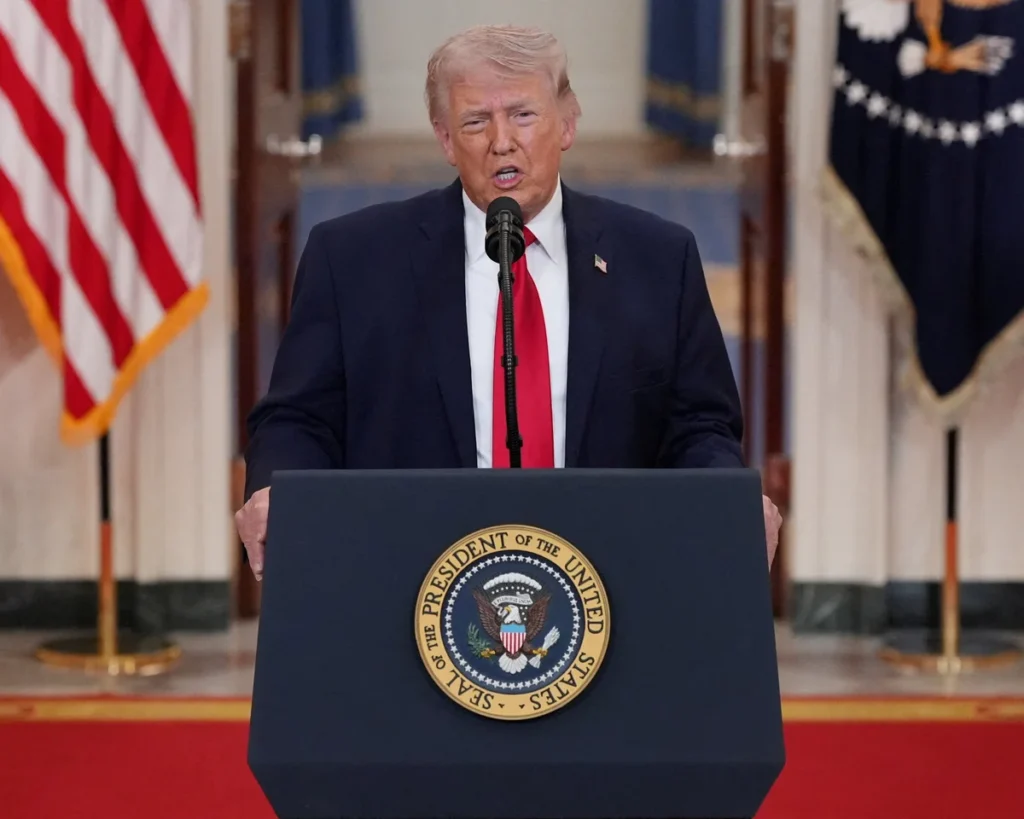
In a statement that has sent ripples through the international diplomatic community, former President Donald Trump has announced that the United States is on the brink of securing a major peace agreement with Iran. This claim, made during a recent public appearance, suggests a potential dramatic shift in one of the world’s most tense and protracted geopolitical standoffs. If true, such a deal could redraw the strategic map of the Middle East and alter global energy and security dynamics. However, the announcement is met with a complex mix of skepticism, hope, and intense scrutiny from allies, adversaries, and analysts alike.
The Core of the Claim: A New Diplomatic Horizon
Speaking to supporters, Trump framed the potential agreement as a landmark achievement, distinct from the diplomatic efforts of previous administrations. He suggested that his administration’s “maximum pressure” campaign, characterized by severe economic sanctions and a hardline stance, has ultimately brought Iran back to the negotiating table under terms favorable to the U.S. and its allies.
The key pillars of this purported deal, as hinted by Trump, appear to involve:
- A comprehensive and verifiable freeze on Iran’s nuclear enrichment activities.
- Significant concessions on Iran’s ballistic missile program.
- A broader de-escalation of Iran’s military activities across the Middle East.
- In return, the United States would offer a substantial lifting of the crippling economic sanctions that have impacted Iran’s economy for years.
This proposition represents a significant departure from the 2015 Joint Comprehensive Plan of Action (JCPOA), from which Trump unilaterally withdrew the U.S. in 2018. The new framework, as described, aims to be more “comprehensive” and “lasting.”
Global Reactions: Skepticism and Strategic Calculations
The immediate international reaction has been one of profound caution. European allies, who struggled to preserve the JCPOA after the U.S. exit, have expressed a need for concrete details before offering any endorsement. There is a palpable concern about the viability of a deal negotiated outside the traditional multilateral channels.
Regional Allies on Edge
In the Middle East, the news is being analyzed through a lens of deep-seated security anxieties. Israel, Iran’s arch-rival, has historically viewed any U.S.-Iran diplomacy with extreme suspicion. Israeli officials are likely to demand ironclad guarantees that any agreement permanently prevents Iran from obtaining a nuclear weapon and unequivocally curbs its regional “malign influence.” Similarly, Saudi Arabia and other Gulf states, engaged in a long-standing proxy conflict with Iran, will be watching closely to see how the deal addresses Iranian support for groups like Hezbollah and the Houthi rebels in Yemen.
Iran’s Position: A Maze of Internal Politics
From Tehran, the picture is equally murky. Official government responses have been non-committal, neither confirming nor denying the advanced state of negotiations as claimed by Trump. This ambiguity highlights the fierce internal power struggle within Iran between hardline factions, who oppose any concession to the “Great Satan,” and more pragmatic elements desperate for economic relief through sanctions removal. The success of any deal would hinge on the Iranian leadership’s ability to navigate this domestic minefield.
Analyzing the “Maximum Pressure” Pathway to Diplomacy
Trump’s central argument is that his administration’s aggressive sanctions policy is what made this breakthrough possible. This theory posits that by applying immense financial pain, the U.S. can force adversaries to capitulate to its demands. Proponents point to the severe inflation and currency devaluation in Iran as evidence that the strategy is working.
However, critics counter that “maximum pressure” has also had significant negative consequences:
- It has hardened the position of Iranian hardliners and empowered security forces.
- It has pushed Iran to accelerate its nuclear program, enriching uranium to higher levels and with more advanced centrifuges, thus shortening its potential “breakout” time to a bomb.
- It has led to increased regional tensions, including attacks on shipping and energy infrastructure.
The question now is whether the current diplomatic opening is a direct result of this pressure or a desperate attempt to reverse its most damaging effects.
Potential Roadblocks and Challenges Ahead
Even if negotiations are as advanced as Trump suggests, a historic deal faces monumental hurdles.
Verification and Trust: Establishing a verification regime that all parties, especially Israel and the U.S. Congress, would deem foolproof is a Herculean task. The fundamental lack of trust between Washington and Tehran is the biggest single obstacle.
Domestic U.S. Politics: Any agreement would trigger a fierce political battle in Washington. It would require navigating a deeply divided Congress, where many lawmakers from both parties harbor deep reservations about re-engaging with Iran.
The Regional Dimension: A bilateral U.S.-Iran deal that does not adequately address the concerns of Sunni Arab states and Israel could inadvertently destabilize the region further, potentially fracturing U.S. alliances.
A Turning Point or Political Posturing?
As the world digests this unexpected announcement, the central dilemma remains: Is this the preamble to a genuine diplomatic revolution, or is it a combination of political messaging and aspirational thinking?
The historical weight of U.S.-Iran enmity cannot be overstated. Decades of hostility, from the 1979 revolution to the hostage crisis, to the targeted killing of General Qasem Soleimani, have created a deep chasm of mistrust. Bridging that chasm would require more than a single deal; it would necessitate a fundamental reimagining of the relationship.
For now, diplomats, intelligence agencies, and markets are all looking for corroboration. They await statements from Iranian officials, briefings from the U.S. State Department, and reactions from international bodies like the International Atomic Energy Agency (IAEA). The coming days and weeks will be critical in determining whether Trump’s claim is a genuine headline in the making or a dramatic footnote in the long and troubled history between the United States and Iran.
One thing is certain: the prospect of a U.S.-Iran peace deal, however remote, has instantly become the most consequential story in global geopolitics, holding the power to reshape alliances, calm a volatile region, or ignite a new phase of confrontation. The world is watching, waiting for the next move in this high-stakes diplomatic chess game.

