
Trump’s Desalination Plant Threat Risks Middle East Water Crisis
The geopolitical landscape of the Middle East is perpetually fragile, a complex web of alliances, animosities, and existential threats. In late March 2026, a new and alarming variable was injected into this volatile mix. Former U.S. President Donald Trump, in a campaign speech, issued a stark threat: to destroy Iran’s desalination plants if he were to return to power. This statement, more than just campaign rhetoric, has sent shockwaves through regional capitals and security circles, raising the terrifying specter of a man-made water catastrophe in one of the world’s most arid regions.
Understanding the Threat: What Are Desalination Plants?
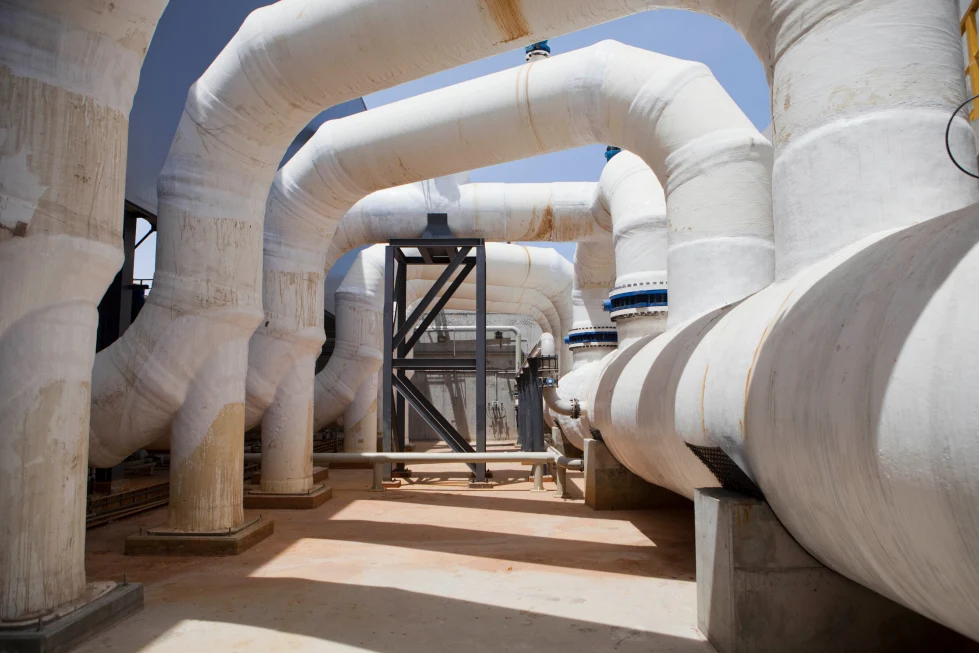
To grasp the gravity of this threat, one must first understand what is at stake. Desalination is the process of removing salt and minerals from seawater to produce fresh, potable water. For nations like Iran, Saudi Arabia, Israel, and the UAE—countries with limited freshwater resources from rivers and aquifers—desalination is not a luxury; it is a critical pillar of national survival and economic stability.
Iran, despite its size, faces severe water scarcity. Decades of mismanagement, drought, and population growth have pushed its traditional water sources to the brink. In response, Iran has invested heavily in coastal desalination facilities, particularly along the Persian Gulf and the Gulf of Oman. These plants supply drinking water to millions of citizens in major cities and support key industrial and agricultural sectors. Targeting this infrastructure would be an attack on the very lifeline of the Iranian state.
The Strategic and Humanitarian Implications of an Attack
The proposition of striking desalination plants crosses a dangerous threshold in modern warfare. Such an act would have cascading consequences far beyond immediate infrastructure damage.
1. A Humanitarian Catastrophe
The most immediate impact would be on the civilian population. Cutting off a primary source of clean water would trigger a public health emergency of unimaginable scale. We are not talking about temporary inconvenience; we are talking about a scenario where:
- Hospitals lose the water needed for sanitation and patient care.
- Basic hygiene becomes impossible, leading to rapid outbreaks of cholera, dysentery, and other waterborne diseases.
- Millions of people, including the most vulnerable—children and the elderly—face acute dehydration and starvation.
This would constitute a clear violation of international humanitarian law, which prohibits attacks on objects indispensable to the survival of the civilian population. The global condemnation would be swift and severe, but likely too late to prevent immense suffering.
2. An Environmental Disaster
Desalination plants are complex industrial facilities. Destroying them would not simply halt the production of fresh water; it would cause massive collateral environmental damage. A military strike could:
- Release the highly concentrated brine (a toxic byproduct of desalination) and chemicals used in the process into the delicate marine ecosystems of the Persian Gulf.
- Cause large-scale oil and chemical spills from damaged infrastructure, devastating fisheries and coastal habitats for decades.
- Pollute the very seawater that the region depends on, potentially crippling other nations’ desalination capabilities.
3. Escalation to Regional War
An attack of this nature would almost certainly be interpreted by Iran as an act of war, demanding a forceful response. Iran would not sit idly by. The potential retaliation scenarios are numerous and terrifying:
- Asymmetric Attacks: Ramped-up attacks on U.S. bases in the region via proxy militias, or directly on American assets.
- Strait of Hormuz: Disruption or closure of the Strait of Hormuz, through which about 20% of the world’s oil passes, triggering a global energy crisis.
- Targeting Regional Rivals: Striking the desalination plants of U.S. allies like Saudi Arabia or the UAE, spreading the water crisis across the Gulf.
- Direct Military Confrontation: A full-scale military engagement that could draw in other global powers and ignite the entire region.
The Broader Message and a Precedent of Fear
Beyond the immediate tactical implications, Trump’s threat sends a chilling message about the future of conflict and security in the 21st century. It weaponizes a resource that is fundamental to human life. If a major power legitimizes the targeting of civilian water infrastructure, it sets a dangerous precedent that other states and non-state actors may follow. It effectively says that in future conflicts, the siege warfare of old—starving a population of water—is back on the table as a “legitimate” strategy.
This creates a profound security dilemma for every water-scarce nation in the Middle East and beyond. It could spur a frantic and destabilizing arms race focused on defending critical civilian infrastructure, further militarizing regions already on edge.
A Path Away from the Brink
The only way to defuse this looming threat is through clear, consistent diplomacy and a reaffirmation of international norms. The global community must unequivocally state that water infrastructure is a red line. Dialogue, however difficult, must be prioritized over threats of collective punishment.
Investing in regional water security cooperation, though a long-term project, is a more sustainable path to stability. The Middle East’s water crisis is a shared problem that requires shared solutions, such as joint management of resources and investment in new water-saving technologies.
The threat to destroy Iran’s desalination plants is more than a headline; it is a potential trigger for a multi-layered crisis—humanitarian, environmental, and geopolitical. It risks turning the Middle East’s existing water scarcity into a weaponized tool of war, with consequences that would ripple across the globe. As the world watches, the hope is that cooler heads will prevail, recognizing that in the desert, water is life, and targeting it is a path to unimaginable ruin for all.

