U.S. Delays Iran Strike, Extends Strait of Hormuz Deadline
In a significant shift from recent escalatory rhetoric, the United States has reportedly decided to postpone potential military strikes on Iranian power plants and extend a critical deadline concerning the strategic Strait of Hormuz. This move, first reported by sources including Newmarket Today, introduces a five-day diplomatic window, marking a temporary de-escalation in a tense standoff that has threatened to ignite a broader regional conflict.
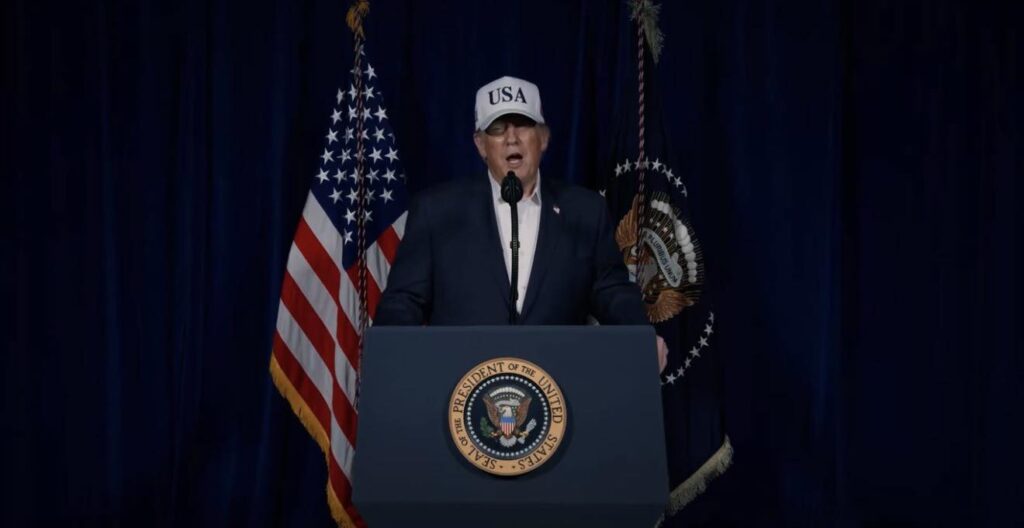
The decision represents a notable pivot from the hardline stance previously articulated by the Trump administration, which had set an ultimatum for Iran regarding its activities around the world’s most important oil transit chokepoint. This pause suggests a recalibration of strategy, prioritizing back-channel negotiations and coalition-building over immediate kinetic action.
The Strait of Hormuz: The Heart of the Global Energy Grid
To understand the gravity of this deadline extension, one must first grasp the paramount importance of the Strait of Hormuz. This narrow sea passage between the Persian Gulf and the Gulf of Oman is not just another waterway; it is the artery of global oil supply.
Key facts about the Strait of Hormuz:
- It facilitates the transit of approximately 21 million barrels of oil per day.
- This represents nearly one-third of the world’s seaborne oil trade and about 20% of total global oil consumption.
- Major economies like Japan, India, South Korea, and China are heavily reliant on hydrocarbons that pass through this channel.
- Any sustained disruption would trigger an immediate global energy crisis and economic shockwave.
For decades, the U.S. Navy has been the primary guarantor of freedom of navigation in the Strait. The previous administration’s deadline was intrinsically linked to Iranian threats and actions—including seizures of tankers and naval provocations—that challenged this status quo. The ultimatum was clear: cease activities that risk the strait’s security or face severe consequences, with Iranian infrastructure like power plants being explicitly mentioned as potential targets.
Why the Delay? Unpacking the Strategic Pause
The five-day extension is not merely a random grace period. It is a calculated diplomatic maneuver with multiple underlying objectives.
1. Creating Space for Covert Diplomacy
High-stakes international crises are often managed through discreet channels. This pause likely provides essential time for behind-the-scenes communications between U.S. and Iranian officials, possibly via intermediaries like Oman, Qatar, or European powers. The goal would be to secure tangible, if private, assurances from Tehran to de-escalate its naval activities without either side publicly losing face.
2. Solidifying International Coalition Support
While the U.S. possesses the unilateral military capability to act, the political and strategic value of a coalition is immense. Rushing into strikes could fracture fragile alliances. This window allows the U.S. to:
- Brief key allies (NATO members, Gulf Cooperation Council states) on intelligence and intentions.
- Secure logistical or political support, or at least mitigate public opposition.
- Present a unified front to Iran, demonstrating that any potential response has broad international backing.
3. Assessing Iran’s Next Move
The extension acts as a direct test of Iranian intentions. Will Tehran use this period to quietly stand down its provocative patrols and proxy threats? Or will it interpret the delay as weakness and double down? The Iranian response in the coming days will be a critical intelligence indicator, providing clearer justification for either further diplomacy or, if necessary, military action.
4. Mitigating Immediate Economic Shock
Even the threat of conflict in the Hormuz sends oil prices soaring. A brief pause can help stabilize volatile energy markets, giving governments and industries a moment to assess contingency plans. A sudden strike would guarantee an instantaneous price spike; a delayed, though still possible, action allows for slightly more market preparation.
The Power Plant Dilemma: A High-Stakes Target
The specific mention of Iranian power plants as potential targets is a strategic choice laden with consequences. Striking such civilian-critical infrastructure represents a significant escalation beyond targeting military or Revolutionary Guard assets.
The logic behind this threat is twofold:
- Coercive Leverage: It directly threatens the Iranian populace and economy, applying maximum pressure on the regime by demonstrating the potential for widespread disruption to daily life and industry.
- Signal of Resolve: It shows a willingness to move beyond symbolic strikes to actions that would have profound and long-lasting effects on Iran’s domestic stability.
However, this strategy carries severe humanitarian and PR risks. Attacking infrastructure essential for civilian life could be framed as a violation of international norms, galvanizing domestic support for the Iranian regime and provoking international condemnation, even from allies. The delay may reflect internal debate over these very risks.
Potential Outcomes: What Comes After the Deadline?
As the new five-day clock ticks down, several scenarios are possible:
Scenario 1: Diplomatic Off-Ramp
Iran uses the window to de-escalate tangibly—perhaps by releasing detained vessels or pulling back fast-attack craft from harassing maneuvers. The U.S., in turn, extends the deadline further or enters into formal talks. This is the optimal outcome for global stability but requires compromise from both sides.
Scenario 2: Miscalculation and Escalation
A misread signal or an incident by a local commander on either side could spark clashes despite the diplomatic pause. The tense environment remains a tinderbox, and the extension does not eliminate the risk of an accidental war.
Scenario 3: Resumption of the Ultimatum
If the U.S. assesses that Iran has not altered its behavior, the threat of strikes returns with greater credibility. The administration would argue it exercised maximum diplomatic patience, setting the stage for potential military action with (it would hope) stronger international understanding.
A Fragile Calm in a Chokepoint
The decision to delay potential strikes and extend the Hormuz deadline is a classic crisis management tactic. It substitutes a moment of breathless anticipation for one of immediate action, providing a crucial buffer for cooler heads to potentially prevail. It acknowledges the catastrophic global repercussions of a conflict ignited in the world’s most vital energy corridor.
Yet, this remains a pause, not a resolution. The fundamental tensions—over Iran’s regional activities, its nuclear program, and the U.S. strategy of maximum pressure—persist unabated. The Strait of Hormuz remains a geographic focal point for this geopolitical fault line. The world will be watching closely over the next five days to see if this temporary calm becomes a pathway to dialogue or merely the quiet before an even greater storm. The flow of global oil, and perhaps the peace of the region, hangs in the balance.