US Lifts Sanctions on Venezuela’s Delcy Rodríguez in Major Policy Shift
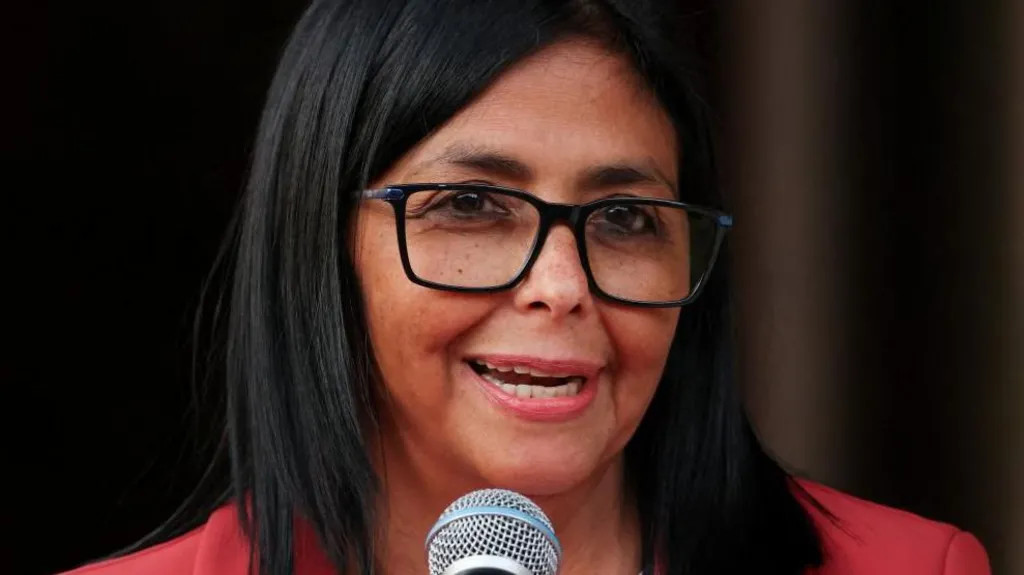
In a significant diplomatic maneuver, the United States has announced the lifting of specific sanctions on Venezuela’s Vice President, Delcy Rodríguez. This decision marks a notable shift in Washington’s approach to the South American nation, signaling a potential thaw in relations after years of maximum pressure. The move is directly tied to the recent electoral agreement signed between the Venezuelan government and the opposition, suggesting a strategic, step-by-step engagement from the Biden administration.
The Sanctions Relief: What Exactly Changed?
The U.S. Treasury Department’s Office of Foreign Assets Control (OFAC) issued a general license, effectively suspending sanctions on Delcy Rodríguez. It is crucial to understand that this is a suspension, not a permanent revocation. The license is set to expire in six months, in April 2025, unless renewed. This creates a clear timeline and a condition-based framework for continued engagement.
The sanctions relief is not blanket. It specifically targets the penalties placed on Rodríguez for her role as Venezuela’s lead negotiator in the Barbados Agreement talks. The U.S. government stated the action was taken to “support the Barbados electoral roadmap agreement” and to encourage further democratic progress.
Who is Delcy Rodríguez?
To grasp the weight of this decision, one must understand Delcy Rodríguez’s position. She is not just any official; she is one of the most powerful figures in the Venezuelan government.
- She serves as the Executive Vice President of Venezuela, making her the constitutional successor to President Nicolás Maduro.
- She is the head of the government delegation in the crucial dialogue with the opposition, held in Barbados.
- She is the sister of Jorge Rodríguez, the head of the National Assembly and another key regime figure.
- Previously, she served as Venezuela’s foreign minister and is considered a fiercely loyal ally to Maduro.
Her influence within the Chavista power structure is immense, and her involvement in the negotiation process is pivotal. By lifting sanctions on her, the U.S. aims to directly empower the main government interlocutor in the talks.
The Barbados Agreement: The Catalyst for Change
This policy shift did not occur in a vacuum. It is a direct response to the agreement signed in Barbados in October 2023 between the Maduro government and the Unitary Platform opposition. Key elements of that deal include:
- An electoral roadmap for the presidential election scheduled for 2024, with international observation permitted.
- Commitments to allow all candidates to appeal their disqualifications through a fair process.
- A pledge to update the voter registry and provide electoral guarantees.
The U.S. and international community have framed this as a critical step toward a competitive and inclusive election. The sanctions relief on Rodríguez is portrayed as a “good faith” incentive for the Maduro government to continue complying with and implementing the Barbados terms.
A Calculated Strategy of “Carrots and Sticks”
The Biden administration’s move is a classic example of conditional diplomacy. While lifting sanctions on Rodríguez, the U.S. has been explicit that other, broader sanctions on Venezuela’s oil, gas, and gold sectors remain firmly in place. Furthermore, the Treasury Department issued a stern warning:
- The license for Rodríguez can be amended or revoked at any time if the Barbados agreement falters.
- The U.S. is prepared to “reimpose sanctions if Maduro and his representatives fail to follow through on their commitments.”
This creates a clear dynamic: the U.S. is offering a tangible reward for progress but maintains powerful leverage to punish backsliding. It’s a more nuanced strategy than the previous administration’s blanket maximum pressure campaign.
Reactions and Implications: A Fragile Path Forward
The reaction to this decision has been mixed, highlighting the fragile nature of the process.
Venezuelan Government & Allies: Officials in Caracas have hailed the move as a “step in the right direction” and a vindication of their diplomatic approach. They argue it validates their commitment to dialogue.
Venezuelan Opposition: The Unitary Platform has cautiously welcomed the step, viewing it as necessary international support for the negotiation process they are engaged in. However, hardliners within the opposition and exiled figures criticize it as premature, arguing it gives Maduro a concession without seeing concrete electoral changes on the ground.
Regional & International Observers: Many analysts see this as a pragmatic, if risky, attempt to steer Venezuela toward a political solution. The success of this strategy hinges entirely on whether the Maduro government follows through on allowing a genuinely competitive election—a prospect many remain skeptical about given the regime’s history.
What Comes Next? The Road to the 2024 Election
All eyes now turn to the implementation of the Barbados agreement. The key benchmarks to watch include:
- The release of political prisoners and the end of judicial persecution against opposition figures.
- The reinstatement of all disqualified candidates, including notably María Corina Machado, who won the opposition’s primary by a landslide.
- The establishment of a clear, transparent timeline for the election with robust international observation.
The suspended sanctions on Delcy Rodríguez are now a barometer. If progress stalls, the U.S. can quickly reimpose them. If progress continues, further calibrated sanctions relief, particularly in the vital energy sector, could be on the table.
Conclusion: A High-Stakes Diplomatic Gambit
The lifting of sanctions on Delcy Rodríguez represents a major tactical shift in U.S.-Venezuela relations. It moves from a posture of pure pressure to one of conditioned engagement. The Biden administration is betting that offering a strategic incentive to a key negotiator will yield more progress toward democratic elections than unwavering isolation.
This is a high-stakes gamble. The Maduro government has a long record of entering into agreements only to later sidestep or abandon them. The opposition and the Venezuelan people are desperate for change but wary of empty promises. For the U.S., this policy aims to test the regime’s intentions while maintaining core economic pressure.
The next six months will be critical. The suspended sanctions on Vice President Rodríguez are not an end but a tool—a lever Washington hopes will help pry open a door to a more democratic future for Venezuela. Whether this lever works, or whether the door slams shut again, will define the political trajectory of a nation in crisis for years to come.