
Humanitarian Crises: Mediterranean Deaths, Afghan Displacement, and One Health
The world today is interconnected in ways we are only beginning to fully comprehend. A conflict in one region triggers displacement across continents. An environmental disaster in another exacerbates health crises thousands of miles away. This intricate web of cause and effect defines our modern humanitarian landscape, where three seemingly distinct issues—the deadly Mediterranean migration route, the protracted crisis in Afghanistan, and the urgent “One Health” imperative—are profoundly and tragically linked. Understanding these connections is not an academic exercise; it is essential for crafting effective, compassionate, and sustainable responses.
The Mediterranean: A Sea of Sorrow and a Mirror to Global Instability
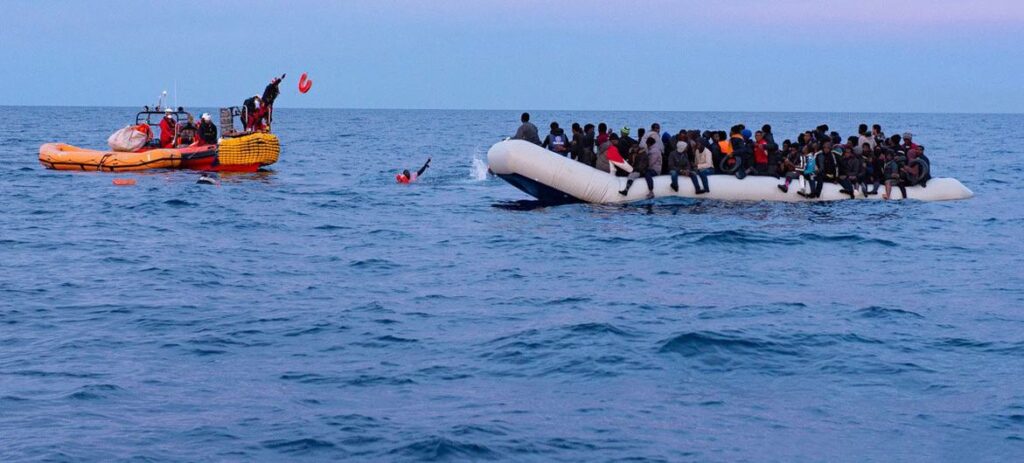
The Central Mediterranean has long been one of the world’s deadliest migration routes. Each year, thousands of men, women, and children embark on perilous journeys in unseaworthy vessels, fleeing conflict, persecution, and desperate poverty. The statistics are not just numbers; they represent immense human suffering and a catastrophic failure of international systems.
The reasons people risk everything on these voyages are the direct result of other, ongoing humanitarian crises. They are fleeing:
- Conflict and Violence: Endless wars and political instability in regions like the Sahel, the Horn of Africa, and the Middle East.
- Economic Collapse: Nations where currency has crumbled, jobs have vanished, and basic sustenance is a daily struggle.
- Climate Shocks: Increasingly severe droughts and floods that destroy livelihoods, fueling a new category of displacement: climate refugees.
The response has often been fragmented, focusing on border control rather than addressing the root causes that force people to flee in the first place. The tragedies in the Mediterranean are a symptom, not the disease. They are a stark, visible indicator of the world’s unresolved conflicts and inequalities, washing up on European shores. To stop the deaths at sea, the international community must look beyond the coastline and invest in stability, development, and legal pathways in countries of origin and transit.
Afghanistan: A Protracted Crisis with Global Repercussions
Since the shift in power in August 2021, Afghanistan has descended into one of the planet’s most severe humanitarian emergencies. A collapsing economy, crippling international sanctions, the collapse of basic services, and a devastating drought have created a perfect storm. Millions are now acutely food insecure, and the healthcare system is on the brink of failure.
The Ripple Effects of Displacement
This internal collapse has significant external consequences. While large-scale outward movement was initially contained, the sheer scale of desperation threatens to trigger larger waves of displacement into neighboring countries like Iran and Pakistan, which already host millions of Afghan refugees. This puts immense strain on regional resources and stability.
Furthermore, a population that is malnourished, lacks access to clean water, and cannot receive basic medical care is acutely vulnerable. This leads us directly to the third pillar of this interconnected crisis: global health security. A public health system in ruins is a threat not only to Afghans but to the world, as diseases can spread unchecked across borders. The crisis in Afghanistan demonstrates how political decisions and humanitarian neglect in one nation can create vulnerabilities that endanger an entire region’s health and security.
The “One Health” Imperative: Connecting People, Animals, and the Planet
The concept of “One Health” is a critical lens through which to view these intertwined crises. It recognizes that the health of humans, domestic and wild animals, plants, and the wider environment are closely linked and interdependent. Humanitarian emergencies systematically break down the safeguards that the One Health approach seeks to uphold.
- Conflict and Displacement: Wars destroy water sanitation infrastructure, leading to cholera outbreaks. Mass displacement forces people into crowded, unsanitary conditions, perfect for the spread of respiratory illnesses like COVID-19 or tuberculosis. Displaced populations often live in closer contact with wildlife, increasing the risk of zoonotic disease spillover.
- Climate and Food Insecurity: Droughts and floods, exacerbated by climate change, destroy crops and livestock. This leads to malnutrition, which weakens the human immune system, and can force communities to alter their interactions with the environment in search of food, again raising pandemic risks.
- Collapsing Health Systems: As seen in Afghanistan, when a national health system fails, routine vaccination programs stop. This opens the door for the resurgence of preventable diseases like measles and polio, which do not respect borders.
A humanitarian crisis is, by definition, a One Health crisis. Failing to address the environmental and animal health components while only delivering emergency food aid is a short-sighted strategy that can inadvertently plant the seeds for the next pandemic or ecological disaster.
A Call for Integrated Solutions: The Path Forward
Viewing the Mediterranean deaths, Afghan displacement, and the One Health framework as separate issues is a strategic error. They are interconnected facets of a global challenge that requires a paradigm shift in how we respond.
The solution lies in integrated, forward-thinking policies that address root causes and build resilience:
- Prevention and Stabilization: Greater international investment must go into conflict resolution, climate adaptation, and sustainable development in crisis-prone regions to prevent the conditions that force people onto dangerous journeys.
- Protection and Legal Pathways: Robust, accessible legal pathways for migration and asylum are essential to undercut smugglers and save lives. Host communities supporting large refugee populations, like those around Afghanistan, require sustained international support.
- One Health in Action: Humanitarian responses must systematically integrate health, nutrition, water/sanitation (WASH), and environmental support. Vaccination campaigns for both people and livestock, clean water projects, and nutritional support are not just aid; they are global health security.
- Global Solidarity, Not Fortress Mentality: The challenges of displacement, disease, and environmental degradation are shared. A retreat into nationalism and isolationism only ensures these problems will grow until they become impossible to ignore. Effective solutions demand unprecedented cooperation and shared responsibility.
The stories of loss in the Mediterranean, the desperation in Afghanistan, and the silent spread of disease in crisis zones are chapters in the same story. It is a story about a world out of balance. By embracing our interconnectedness—through the lens of shared security, shared health, and shared humanity—we can begin to write a new one. The cost of inaction is measured in lives lost at sea, in children starving in displacement camps, and in the next global health crisis waiting to emerge from the rubble of our neglect.

