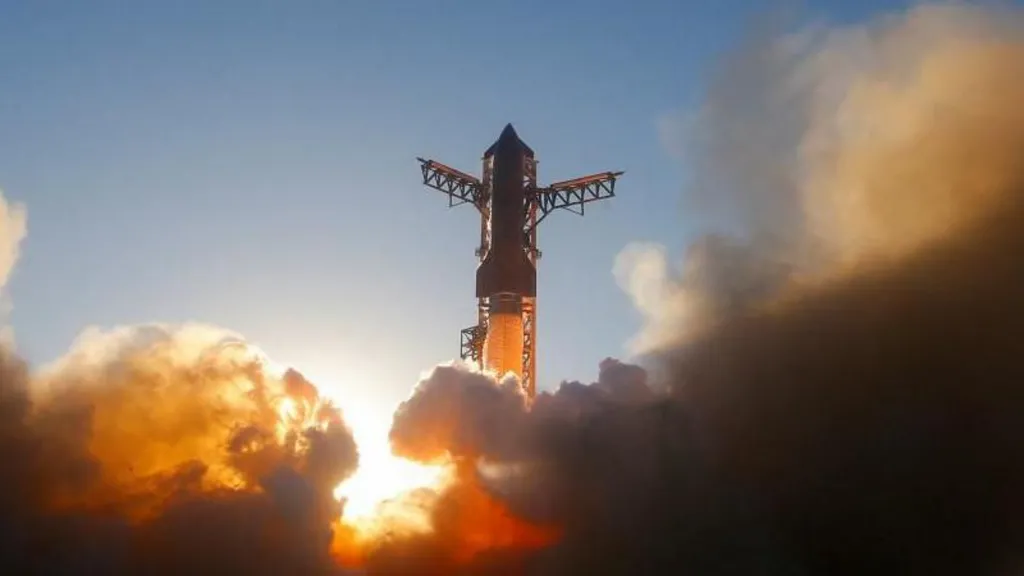
SpaceX Share Sale Rumors Ignite Investor Frenzy for Rocket Stocks
The whispers started quietly on Wall Street and quickly grew into a roar across financial news networks. Rumors of a potential secondary share sale for SpaceX, the most valuable private company in the world, have sent shockwaves through the investment community. While the opportunity to buy a piece of Elon Musk’s space exploration titan remains elusive for the average investor, the mere suggestion has triggered a dramatic surge in publicly traded aerospace and defense stocks, revealing a powerful market dynamic.
Investors, hungry for a slice of the next-generation space economy, are scrambling for the closest available proxies. This frenzy underscores a critical reality: the future of space is being written now, and the market is desperate to find a way to buy in.
The Ripple Effect: How a SpaceX Rumor Moves Public Markets
At the heart of the frenzy is a simple supply-and-demand problem. SpaceX, valued at a staggering $180 billion, is a privately held company. Its shares are not available on the New York Stock Exchange or NASDAQ. For years, institutional investors and wealthy individuals have participated in periodic private funding rounds, but the door has been largely closed to the public.
When news breaks—even unconfirmed rumors—of a possible secondary sale where existing shareholders might offload some stock, it acts as a beacon. It reminds every fund manager and retail investor of the monumental value being created outside the public eye. Since they can’t directly purchase SpaceX, they do the next best thing: they buy shares in companies that are perceived to be operating in the same orbit.
This phenomenon is known as the “halo effect” or “sympathy trading.” The logic, while not always perfectly correlated, is that a rising tide in private space valuation lifts all boats in the broader aerospace sector. Companies involved in satellite manufacturing, rocket components, space infrastructure, and even legacy defense contractors are seen as beneficiaries of the same macro trend that propelled SpaceX to its heights: the commercialization and exponential growth of space.
The Beneficiaries: Public Companies Riding the SpaceX Wave
So, which stocks are catching this rocket-fueled updraft? The rally has been broad, but several key players have seen significant attention.
Aerospace & Defense Conglomerates
These established giants are viewed as stable, diversified ways to gain exposure to space, defense, and advanced technology.
- Lockheed Martin (LMT) & Northrop Grumman (NOC): As prime contractors for NASA’s Artemis moon program and builders of critical satellite and launch systems, they are foundational to U.S. space ambitions.
- Boeing (BA): Despite its well-publicized challenges in aviation, Boeing remains a major space player through its Space Launch System (SLS) rocket, Starliner spacecraft, and satellite division.
Pure-Play Space & Satellite Firms
This category offers more direct exposure to the specific markets SpaceX is revolutionizing.
- Rocket Lab (RKLB): Often called the “mini-SpaceX,” this company provides dedicated small-satellite launches and is developing a reusable rocket, making it a direct analogue in the public markets.
- AST SpaceMobile (ASTS): Focused on building a space-based cellular broadband network, it represents the massive satellite connectivity market that SpaceX’s Starlink is pioneering.
- Terran Orbital (LLAP): As a manufacturer of small satellites, it is a key supplier in the ecosystem that SpaceX’s low-cost launches have enabled.
Specialized Component & Technology Providers
The space economy relies on a vast supply chain. Companies that make the essential parts are also in focus.
- Virgin Galactic (SPCE): While focused on space tourism, its public listing makes it a rare “space” stock, attracting speculative interest from the same investor base.
- L3Harris Technologies (LHX) & Aerojet Rocketdyne (AJRD): Providers of advanced avionics, sensors, and rocket propulsion systems critical for all launch providers, including SpaceX.
Beyond the Hype: A Fundamental Shift in the Space Economy
While the current stock surge is rumor-driven, it points to a profound and legitimate transformation. The space sector is no longer solely the domain of government agencies. We are in the early stages of a commercial space revolution, driven by plummeting launch costs, miniaturized technology, and unprecedented private investment. The potential applications are vast:
- Global Connectivity: Satellite constellations like Starlink are bringing high-speed internet to remote areas.
- Earth Observation: Fleets of small satellites are monitoring climate change, agriculture, and disaster response in real-time.
- Space Infrastructure: The nascent fields of in-orbit servicing, manufacturing, and even space tourism are moving from science fiction to business plans.
The market is recognizing that this isn’t just about rockets; it’s about building a new industrial domain. The companies that provide the picks and shovels for this gold rush—whether they build launch vehicles, satellites, or critical components—stand to see sustained growth.
What Should Investors Consider?
The excitement is palpable, but savvy investors should look past the short-term rumor mill. Investing in sympathy plays requires careful due diligence.
Key questions to ask:
- Does this public company have a credible and competitive space-related revenue stream, or is it a minor part of their business?
- How does their technology and business model compare to SpaceX’s disruptive influence? Are they a potential partner, competitor, or supplier?
- What are the company’s fundamentals—valuation, debt, growth trajectory—outside of this sector-wide momentum?
The SpaceX share sale rumor is a powerful symptom of a larger trend: the “democratization” of space is creating a pressing demand for “democratized” investment opportunities. Until the day SpaceX or a similar behemoth goes public through a traditional IPO, the public markets will continue to seek out proxies, creating volatile but potentially rewarding opportunities in the stocks of companies building the final frontier.
The frenzy may cool when the SpaceX rumor fades, but the underlying investor appetite for space exposure is here to stay. It signals a broad market belief that the next decade of massive technological and economic growth may not happen on Earth alone, but in the space surrounding it.