
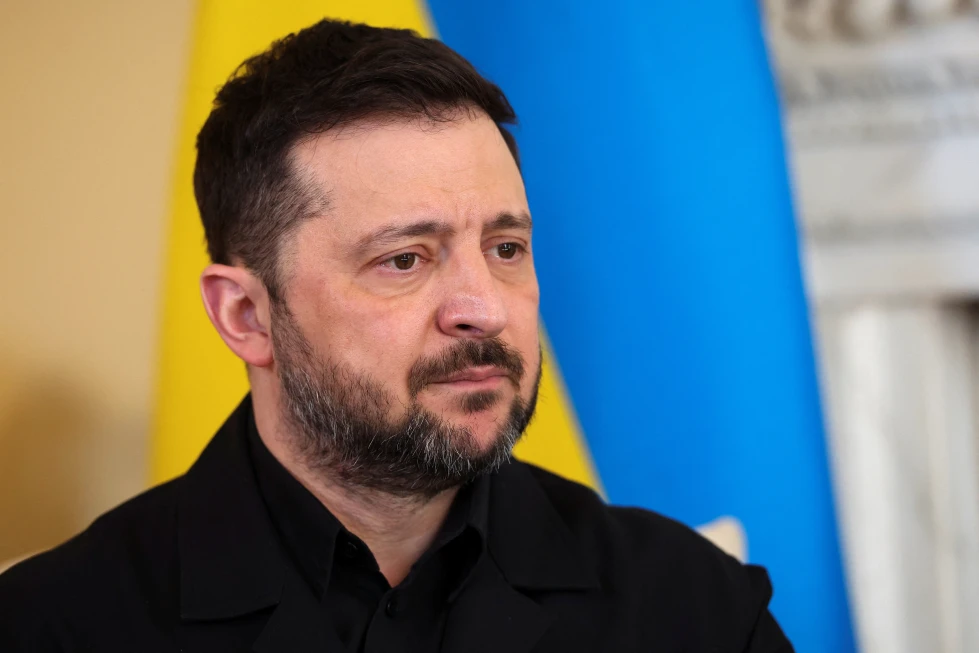
Ukraine’s Zelenskyy Seeks Gulf Allies for Drone Defense Strategy
In a significant diplomatic maneuver, Ukrainian President Volodymyr Zelenskyy has embarked on a strategic tour of Gulf Arab states, aiming to forge new alliances centered on a critical modern warfare component: drone defense. The visit underscores a pivotal shift in Ukraine’s international outreach as it seeks to diversify its support network and secure advanced technological partnerships beyond its traditional Western backers.
This Gulf mission is not merely about humanitarian aid or general political support. It represents a focused, tactical effort to address one of the most pressing challenges on the Ukrainian battlefield—the omnipresent threat of aerial drones. By engaging with technologically advanced and financially robust Gulf nations, Zelenskyy is strategically positioning Ukraine to bolster its defensive capabilities and secure its future sovereignty.
The Strategic Imperative: Why the Gulf Holds the Key
The ongoing conflict has evolved into a war of technological attrition, with unmanned aerial vehicles (UAVs) playing a decisive role in surveillance, artillery correction, and direct strikes. For Ukraine, developing and deploying a robust counter-drone, or Counter-Unmanned Aerial System (C-UAS), network is as crucial as securing tanks or artillery shells.
Gulf nations, particularly Saudi Arabia, the United Arab Emirates, and Qatar, present unique value for Ukraine’s strategy:
- Financial Resources and Investment Potential: These states possess substantial sovereign wealth funds and a proven willingness to invest in cutting-edge defense and dual-use technologies.
- Proven Procurement Networks: With decades of experience building modern militaries, Gulf states have established global procurement channels and partnerships with defense manufacturers that Ukraine could leverage.
- Technological Innovation Hubs: Nations like the UAE and Saudi Arabia are aggressively pursuing national visions (e.g., UAE’s “Operation 300bn”) to become leaders in aerospace and advanced technology, including drone development.
- Diplomatic Balancing Act: Several Gulf states have maintained a nuanced position on the Russia-Ukraine war, offering them a potential unique role as intermediaries or independent partners for Kyiv.
Beyond Weapons: A Partnership for Technological Co-Development
Zelenskyy’s discussions likely extend beyond simple arms purchases. The broader goal is to establish strategic partnerships for co-development and production. Ukraine has demonstrated remarkable innovation in drone warfare, from adapting commercial models to developing indigenous attack UAVs. Partnering with Gulf capital and industrial ambitions could accelerate this innovation cycle, creating joint ventures for manufacturing drones and counter-drone systems.
This approach offers Gulf nations a tangible entry into a high-growth sector of the defense market while gaining valuable battlefield-tested expertise. For Ukraine, it promises a more sustainable, long-term pipeline for essential equipment, reducing over-reliance on the donation cycles of allied nations.
Decoding the Diplomatic Stops: Key Objectives in Each Capital
While the full itinerary may include several nations, the core objectives in key capitals reveal a multi-faceted strategy.
Saudi Arabia: The Diplomatic and Economic Powerhouse
Riyadh is a critical stop for several reasons. Saudi Arabia has previously positioned itself as a potential mediator, hosting talks on prisoner exchanges and peace initiatives. Engaging with Saudi leadership allows Zelenskyy to:
- Advance his 10-point peace formula on a global stage.
- Seek economic investment for future reconstruction projects, signaling confidence in Ukraine’s ultimate victory.
- Explore defense technology partnerships through Saudi Arabia’s Vision 2030, which aims to localize over 50% of its military spending.
The United Arab Emirates: The Technology and Logistics Nexus
The UAE, a global logistics hub and a rising tech power, is perhaps the most logical partner for drone defense collaboration. Objectives here are intensely practical:
- Direct Procurement and Collaboration: The UAE has a diverse arsenal of advanced drones and defense systems. Talks would focus on access to these technologies and joint production facilities.
- Circumventing Sanctions & Logistics: As a neutral trading hub, the UAE could play a role in facilitating the transfer of critical components and technologies, though this remains a complex and sensitive issue.
- Investment in Ukrainian Tech Startups: Tapping into Emirati venture capital for Ukraine’s burgeoning defense-tech sector could be a game-changer.
Qatar: The Energy and Mediation Link
While also a potential investor, Qatar’s role is heavily weighted towards energy diplomacy and mediation. Discussions likely involve:
- Securing alternative energy supplies for Ukraine, especially for the upcoming winter.
- Utilizing Qatar’s extensive diplomatic channels, given its role in major global negotiations, to keep Ukraine’s cause in the global spotlight.
Challenges and the Road Ahead
This diplomatic offensive is not without significant hurdles. Gulf states must carefully balance their relationships with Russia, a key partner in OPEC+ and a influential player in the Middle East. Overly overt military support for Ukraine could destabilize this delicate balance.
Furthermore, the effectiveness of any technology transfer or co-development agreement will face practical challenges, including export control regulations from third-party nations (like the US or Israel) whose technology may be integrated into Gulf systems.
However, Zelenskyy’s Gulf tour marks a mature evolution in Ukraine’s foreign policy. It moves from a narrative of pure survival to one of strategic partnership and long-term capacity building. By framing the need around specific, high-tech domains like drone defense, Ukraine offers potential Gulf partners a clear, actionable, and mutually beneficial proposition.
The Bigger Picture: Reshaping Global Alliances
Ultimately, this mission is about more than drones. It is a bold attempt to reshape Ukraine’s place in the world. By building bridges to the Global South and major non-Western economies, Ukraine is working to:
- Break out of potential diplomatic isolation and prevent “Ukraine fatigue.”
- Position itself as a future leader in defense technology and innovation.
- Secure a network of global allies that will support not just the war effort, but the monumental task of reconstruction and economic revival that lies ahead.
President Zelenskyy’s journey to the Gulf is a testament to Ukraine’s adaptive and resilient statecraft. In seeking allies for a drone defense strategy, he is effectively building the foundations for Ukraine’s future security architecture and its role as a sovereign, technologically advanced nation in the 21st-century world order. The success of this outreach could define the next phase of the conflict and beyond.

