
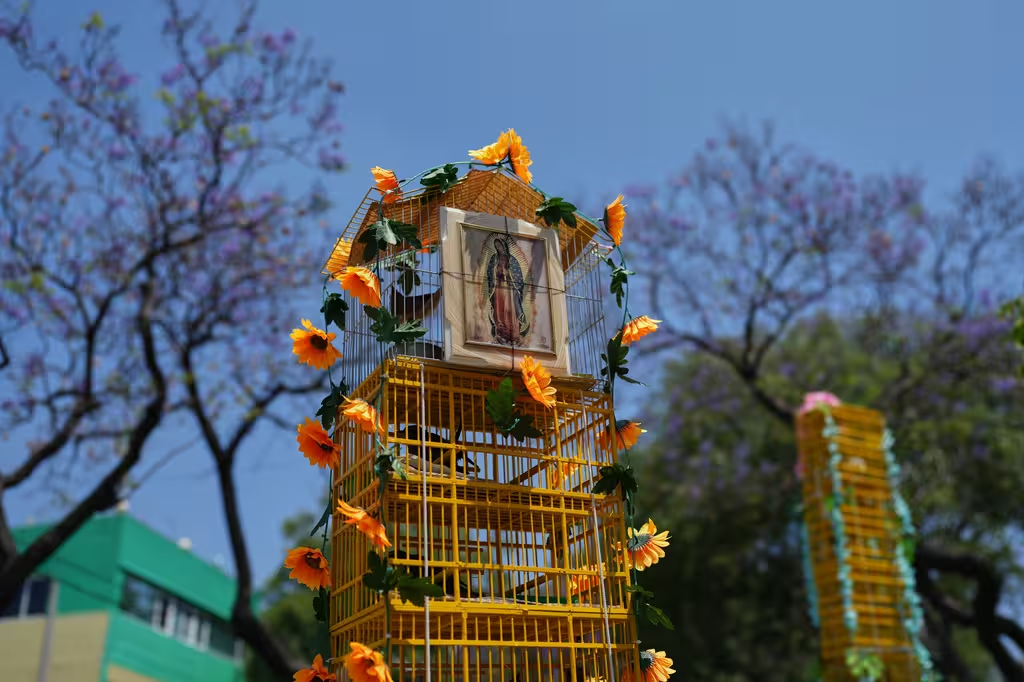
Feathered Faith: Mexico’s Annual Bird Vendor Pilgrimage to Guadalupe
Every December, as the faithful from across Mexico journey to the Basilica of Our Lady of Guadalupe, a unique and vibrant procession unfolds. It is not just a pilgrimage of people, but of songbirds. For generations, vendors from the state of Michoacán have made the long trek to the capital, carrying cages filled with colorful finches, canaries, and sparrows. This is their annual offering, a tradition steeped in devotion, survival, and a deep, complex connection to the land and its patron saint.
A Journey of Devotion and Livelihood
The pilgrimage begins in the Purépecha communities of Michoacán. For these vendors, known locally as *pajareros*, the journey to Mexico City is a dual-purpose mission. It is an act of profound faith, fulfilling a promise or seeking blessings from the Virgin of Guadalupe, Mexico’s most revered religious figure. Simultaneously, it is a crucial economic activity, a way to sustain their families by selling these beloved songbirds, often seen as symbols of joy and good fortune.
The trip is arduous. Traveling by bus or truck, the vendors carefully tend to their feathered cargo for hundreds of miles. Upon arrival, they set up their stalls along the bustling avenues leading to the basilica, particularly on Calzada de Guadalupe. The air fills with a symphony of chirps and tweets, creating a living, breathing soundtrack to the spiritual festivities. For many pilgrims, purchasing a bird is an integral part of their visit—a living memento of their devotion or a gift to bring song and blessing back home.
More Than a Sale: The Cultural and Spiritual Symbolism
To view this tradition solely as commerce is to miss its heart. The sale of birds at the basilica is woven into the cultural fabric of the event.
The bird represents the soul’s offering to the Virgin. Releasing a bird—a common act after purchase—is seen as a symbolic gesture of setting one’s prayers or troubles free, letting them ascend to heaven. The bird’s song is considered a form of praise, a natural hymn to the divine.
For the *pajareros*, their presence at the basilica is itself a *mandado* (an errand or promised task) for the Virgin. Many attribute their safe travel and successful sales to her protection, reinforcing the cycle of faith and gratitude that brings them back year after year. This practice highlights a form of popular Catholicism where livelihood and devotion are seamlessly intertwined.
A Tradition Under Scrutiny and Adaptation
In recent years, this centuries-old tradition has faced increasing scrutiny from animal rights activists and authorities. Concerns center on the welfare of the birds during transport and captivity, the potential for spreading avian diseases, and the ecological impact of removing wild birds from their habitats.
This has led to a complex tension at the pilgrimage site:
- Authorities have attempted to regulate or relocate the vendors, sometimes leading to confrontations.
- Animal welfare groups advocate for alternative livelihoods and educate the public on the potential downsides of the trade.
- Many vendors, in response, have adapted by improving cage conditions and emphasizing their bred-in-captivity birds, distancing themselves from the illegal capture of wild species.
The debate forces a difficult conversation about preserving cultural heritage while embracing modern standards of animal welfare and conservation.
The Unbreakable Bond: Why This Pilgrimage Endures
Despite the challenges, the bird vendors’ pilgrimage persists. Its resilience speaks to powerful, underlying forces:
Economic Necessity: For many Purépecha families, this December sale represents a significant portion of their annual income. It is a vital economic pillar that supports communities throughout the year.
Cultural Identity: This tradition is a marker of identity for the *pajareros*. It connects them to their ancestors, to their specific community practices, and distinguishes their form of participation in the national celebration.
Living Faith: The physical act of the journey, the care of the birds, and the interaction with pilgrims at the basilica constitute a tangible, lived religion. It is faith expressed not only in prayer but in action, sacrifice, and a unique form of communion with the divine through nature.
Witnessing a Living Tapestry
For visitors to the Basilica during the days leading up to December 12th, the sight of the bird vendors is unforgettable. It is a multisensory experience—the vibrant colors of the birds, their incessant chorus, the earnest negotiations in Spanish and Purépecha. It serves as a potent reminder that the Guadalupe pilgrimage is not a monolithic event but a convergence of countless personal vows, stories, and survival strategies.
It represents the meeting point of the sacred and the mundane, where a child’s wonder at a bright yellow canary intersects with a vendor’s hope for a good season and a pilgrim’s search for grace.
A Future in the Balance
The future of the bird vendor pilgrimage hangs in a delicate balance. It will likely continue to evolve, shaped by regulation, advocacy, and the vendors’ own ingenuity. The core challenge will be finding a path that respects the dignity, faith, and economic needs of the *pajarero* communities while addressing legitimate concerns for animal welfare.
Perhaps the solution lies in sustainable, community-led initiatives—such as certified breeding programs or the creation of alternative, culturally significant crafts—that allow the tradition to adapt without losing its soul. What remains undeniable is the profound “feathered faith” that drives this annual journey. It is a testament to the enduring human spirit, where the song of a small bird carries the weight of devotion, heritage, and the enduring hope for a better tomorrow. As long as pilgrims climb Tepeyac hill, the chorus of faith, in all its forms, will likely continue to sing.

