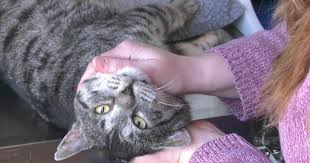
How Canadians Are Using Wills to Secure Their Furry Family’s Future
For many Canadians, pets are not just animals; they are beloved family members. This profound shift in perspective is leading to a significant change in how we plan for the future. Increasingly, people are looking beyond their human loved ones to ensure their four-legged, feathered, or scaled companions are cared for, no matter what. The result? A growing trend of Canadians formally including their pets in their wills and estate plans, with some even extending their legacy to help shelter animals in need.
This movement goes beyond simply asking a friend to take in Fluffy. It’s about creating legally sound, financially supported plans that guarantee a specific standard of care, mirroring the love and security we provide in our lifetimes.
Beyond a Bowl of Food: The Rise of Pet Estate Planning
The bond between humans and animals has deepened immensely, especially in the wake of events like the pandemic, which saw a surge in pet adoptions. As these animals become central to our lives, the anxiety about their well-being in our absence grows. The heartbreaking thought of a pet ending up in a shelter or being passed uncertainly from home to home is a powerful motivator for action.
Estate lawyers across the country are reporting a notable increase in clients asking about provisions for their pets. This isn’t a niche request anymore; it’s becoming a standard part of the conversation about legacy planning.
How It Works: Formalizing Your Pet’s Care
Formally providing for a pet in a will typically involves two key components: a designated caregiver and a dedicated financial provision.
- Choosing a Caregiver: This is the most critical decision. It involves having a frank conversation with a trusted individual or family member who agrees to take on the responsibility. It’s wise to name a primary and a secondary caregiver, just in case.
- Allocating Funds: A specific sum of money is left in the will for the pet’s care. This can cover food, routine veterinary care, grooming, insurance, and even unexpected medical expenses. The key is to be realistic about the animal’s lifespan and potential costs.
To ensure the money is used solely for the pet’s benefit, the most secure method is establishing a pet trust. In Canadian law, this often takes the form of an “honorary trust” or a formal trust arrangement. The funds are held and managed by a trustee (who could be the same person as the caregiver or someone else), with clear instructions on their use. This provides legal accountability and peace of mind.
A Lasting Legacy of Compassion: Remembering Shelter Animals
Perhaps the most touching extension of this trend is the decision by some animal lovers to leave a portion of their estate to animal shelters and rescue organizations. These charitable bequests are a powerful way to create a lasting impact, supporting the care of countless animals who are still waiting for their forever homes.
For example, the Kingston Humane Society in Ontario has been a beneficiary of such generosity. They’ve received gifts that have funded everything from critical medical procedures for injured animals to capital projects that improve living conditions. These donations are often made in memory of a person’s own pet, creating a beautiful, full-circle legacy of love.
Why Leave a Gift to a Shelter?
- Sustained Impact: While rehoming your own pet ensures one animal’s safety, a gift to a shelter supports hundreds, even thousands, over time.
- Fulfills a Personal Mission: For those passionate about animal welfare, it ensures their values are carried forward.
- Tax Benefits: Donations to registered charities in a will can provide significant tax advantages for the estate, potentially preserving more assets for other beneficiaries.
Practical Steps to Include Your Pet in Your Will
If you’re considering this important step, here’s a roadmap to get started.
1. Have the Conversation
Do not assume a friend or family member will take your pet. Have an explicit, thoughtful conversation with your chosen caregiver. Discuss your pet’s routine, personality, medical history, and your expectations. Ensure they are willing and able to provide a loving, permanent home.
2. Seek Professional Legal Advice
Do not rely on a verbal agreement or a handwritten note. Laws vary by province regarding trusts and estate gifts. An estate planning lawyer can help you draft clear, legally enforceable language. They can advise on the best structure—whether it’s a direct gift to a caregiver with conditions or a formal trust—to ensure your wishes are followed.
3. Be Detailed and Realistic
When drafting the provisions:
- Clearly identify your pet (name, breed, microchip number).
- Provide detailed care instructions, including your preferred veterinarian, diet, and any medications.
- Calculate a reasonable amount of money for your pet’s lifetime care, considering their age and health. You can also specify what happens to any remaining funds after your pet passes.
- If leaving a gift to a charity, use the organization’s full legal name and registered charity number.
4. Create a “Pet Dossier”
Alongside your legal documents, create a separate information packet for your caregiver. Include veterinary records, vaccination history, favorite toys, walking routes, behavioral notes, and a guide to their unique quirks. This makes the transition smoother for both the pet and the new guardian.
The Ultimate Act of Love: Planning Prevents Heartache
No one likes to think about their own mortality. But for pet owners, confronting this reality is the ultimate act of responsibility and love. By taking the time to formalize a plan, you are:
- Protecting your pet from an uncertain future.
- Relieving your grieving family of difficult decisions and potential conflict.
- Ensuring your assets are used exactly as you intend.
- Potentially creating a legacy of compassion that extends to animals you may never meet.
The trend of including pets in wills is a profound reflection of modern Canadian values. It acknowledges that family comes in many forms and that our responsibility to those who depend on us—whether they walk on two legs or four—does not end. By putting a plan in place today, you can rest easy knowing that you’ve secured a future filled with love, comfort, and care for every member of your family.