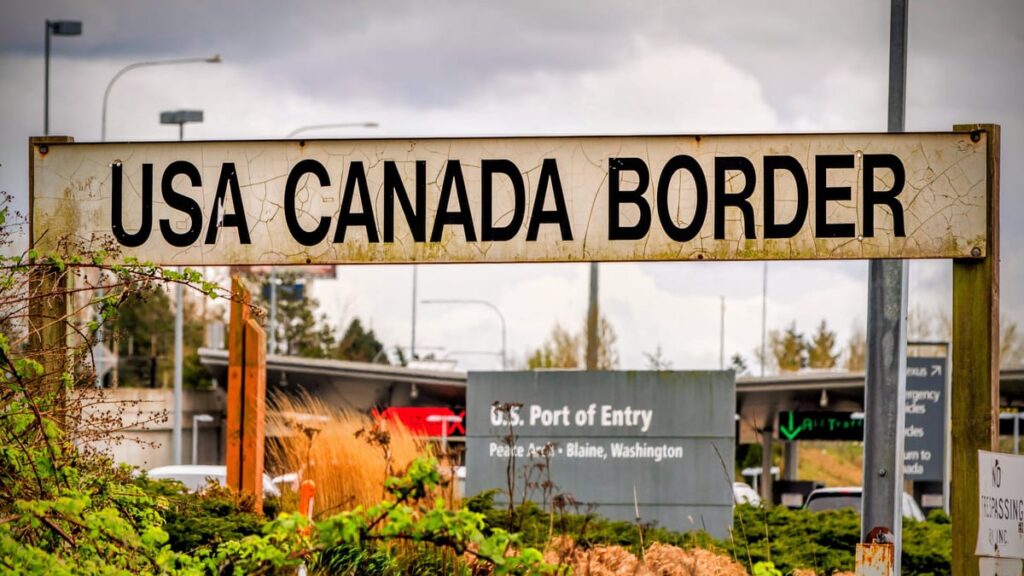
Cross-Border Blues: U.S. Border Towns Struggle as Canadian Travel Drops
For decades, the flow of Canadian shoppers and day-trippers into neighboring U.S. border communities was as reliable as the tides. Towns from Blaine, Washington, to Plattsburgh, New York, built their economic identities around welcoming their northern neighbors, offering everything from cheaper gasoline and milk to outlet mall bargains and unique dining experiences. Today, however, that vital economic current has slowed to a trickle, leaving many American border businesses grappling with a new, unsettling reality.
The decline isn’t just a seasonal slump or a temporary dip. It represents a significant and sustained shift in cross-border travel patterns, driven by a complex mix of economic, logistical, and psychological factors. The bustling parking lots that were once filled with Canadian license plates now have conspicuous empty spaces, and the familiar sound of Canadian accents in local stores is becoming increasingly rare. This trend is forcing a painful reckoning for businesses that have long depended on their international clientele.
The Perfect Storm: Why Canadians Are Staying Home
The drop in Canadian visitors isn’t due to a single cause but rather a confluence of pressures that have made crossing the border less appealing and less practical.
The Shrinking Purchasing Power Parity
Historically, a favorable exchange rate was the primary engine of cross-border shopping. The promise of an extra 20-30% on the U.S. dollar made everything from clothing to electronics a compelling deal. In recent years, that advantage has dramatically narrowed. With the Canadian and U.S. dollars hovering much closer to par, the fundamental financial incentive has eroded. When you factor in the cost of fuel, bridge tolls, and time, the math simply doesn’t add up for many routine shopping trips.
Heightened Travel Hassles and “Border Anxiety”
The post-9/11 security environment permanently changed the border-crossing experience. While necessary, increased scrutiny has led to longer wait times and a more stressful process. For a quick day trip, the prospect of potentially spending hours in line at customs acts as a powerful deterrent. This has fostered a sense of “border anxiety,” where the hassle outweighs the benefit for casual travel. The requirement for passports and enhanced driver’s licenses added another layer of cost and complication for families.
The Rise of E-Commerce and Domestic Options
Why drive south when the world can come to you? The explosive growth of online retail, especially from U.S.-based giants like Amazon, has delivered cross-border deals directly to Canadian doorsteps. Simultaneously, Canada’s own retail and service sectors have expanded, offering more competitive selection and pricing at home. From major chains to local boutiques, Canadians have fewer reasons to leave the country to find what they need or want.
Evolving Priorities and Pandemic Aftereffects
The COVID-19 pandemic was a devastating blow, shutting down the border entirely for non-essential travel for over a year. This forced a profound behavioral reset. Canadians rediscovered local tourism and grew accustomed to not crossing the border. Even after reopening, lingering health concerns and the bureaucratic hurdle of vaccine documentation requirements kept many away. This period fundamentally altered habits, and many have not returned to their old cross-border routines.
The American Side of the Line: Shuttered Stores and Quiet Streets
The impact on U.S. border communities is stark and tangible. Businesses that thrived on Canadian traffic are facing unprecedented challenges.
- Retail and Gas Stations: Outlet malls, grocery stores, and gas stations are seeing the most direct hit. Where fuel stations once had lines of Canadians filling up jerry cans, sales have plummeted. Retailers who stocked specific products popular with Canadians are now left with excess inventory.
- Hospitality and Restaurants: Hotels that catered to weekend getaways and restaurants that were weekend dinner destinations report a dramatic decline in Canadian patrons. This sector is also losing the valuable “overflow” business from Canadians visiting family or traveling domestically in the U.S.
- Real Estate and Property Values: In some towns, a significant portion of residential and commercial property was owned by Canadians. A pullback in this investment can soften local real estate markets and reduce property tax bases.
- Community Character: Beyond economics, the social fabric of these towns has changed. The cross-border exchange was a point of pride and cultural intermingling. Its loss makes communities feel less vibrant and more isolated.
Adapting to a New Normal: Can Border Towns Recover?
Faced with this new paradigm, business owners and community leaders are being forced to innovate or risk fading away. Survival strategies are emerging, focusing on diversification and renewed local engagement.
Pivoting to the Domestic Market: The most critical strategy is a concerted shift to attract American visitors from deeper within the state. This means marketing towns not as border crossings, but as destinations in their own right—highlighting local history, natural beauty, and unique events. Campaigns are targeting residents of nearby metropolitan areas for weekend trips.
Embracing Niche Markets and Experiences: Businesses are moving away from generic retail and focusing on what they can offer that can’t be found online or in Canada. This could be a unique culinary experience, an artisan craft workshop, agritourism, or outdoor adventure packages. The goal is to create a compelling reason for a special trip.
Advocating for Smoother Travel: Local chambers of commerce and border coalitions are increasingly vocal in lobbying both federal governments for policies that facilitate easier travel. This includes advocating for trusted traveler program expansions, improved infrastructure at ports of entry, and clearer, more consistent rules for border agents.
Exploring New Economic Foundations: Some communities are looking beyond tourism and retail altogether, seeking to attract light industry, remote workers, or investing in downtown revitalization projects to make themselves attractive places to live, not just visit.
A Border Redefined
The relationship between the U.S. and Canada remains strong, but the nature of cross-border interaction at the local level is undergoing a permanent transformation. The era of massive, routine traffic driven by sheer price advantage is likely over. The future for American border towns lies in resilience and reinvention.
They must transition from being convenient pit-stops to becoming intentional destinations. Success will depend on their ability to leverage their unique geographic and cultural position, offer authentic experiences, and build an economy that serves a broader base. The cross-border blues are a real and present challenge, but they may also be the catalyst for a new, more sustainable chapter in the life of these historic gateway communities. The path forward is less about waiting for Canadians to return in old numbers and more about creatively building a new identity that welcomes everyone.