Why Canadian Parents Want a Social Media Ban for Kids Under 13
A growing wave of concern is sweeping across Canadian households, and its focus is the smartphone in your child’s hand. Fueled by mounting evidence of harm and a desire to reclaim childhood, a significant majority of Canadian parents are now rallying behind a powerful idea: a legislated ban on social media for children under the age of 13. This isn’t just about limiting screen time; it’s a collective call for a safer digital frontier for our youngest citizens.
Recent polling and public discourse reveal that this sentiment is far from a niche worry. It represents a fundamental shift in how parents view the role of Big Tech in their children’s lives. From mental health anxieties to fears over privacy and exploitation, the reasons are complex and deeply felt. This article delves into the driving forces behind this movement and explores what a protected digital childhood might look like.
The Rising Tide of Parental Concern
For years, parents have navigated the digital landscape with a mix of caution and resignation. However, the combination of alarming research and high-profile whistleblower testimonies has transformed unease into decisive action. Parents are no longer willing to accept the current status quo, where platforms designed for adults are easily accessed by children.
The core of the issue lies in the developing brain. Neuroscientists consistently warn that the adolescent brain, particularly before age 13, is highly susceptible to the dopamine-driven feedback loops that social media algorithms expertly create. The constant pursuit of likes, the fear of missing out (FOMO), and exposure to curated perfection are linked to:
- Increased anxiety and depression: Studies consistently correlate heavy social media use with rising rates of youth mental health issues.
- Body image issues and low self-esteem: Endless streams of filtered realities set impossible standards for young people.
- Cyberbullying and exposure to harmful content: The digital playground has its dark corners, often without adequate supervision.
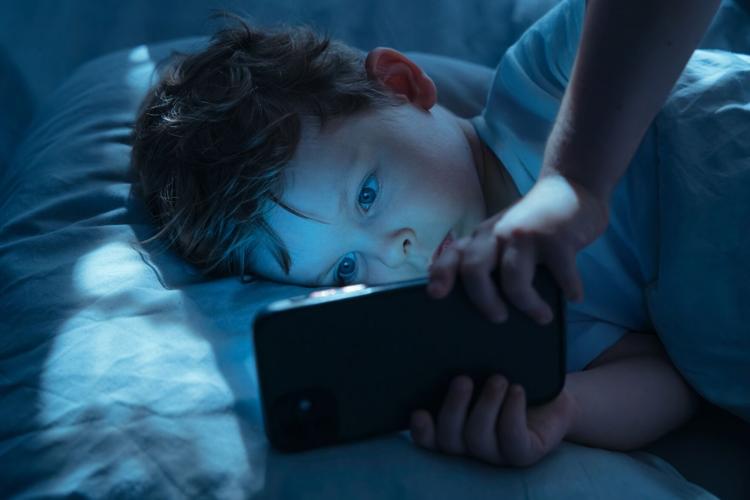
- Sleep deprivation and reduced physical activity: Screens invade bedtime and replace active, imaginative play.
Parents are essentially asking: why are we allowing a known and potent psychological experiment to be conducted on our children in the name of connectivity?
Beyond Age Gates: The Failure of Self-Regulation
A common retort is that most platforms already have age restrictions of 13+. So, why the need for a ban? Parents and advocates point out that these “age gates” are notoriously easy to bypass. A child simply needs to input a false birth year, a task with no meaningful verification. This system places the entire burden of enforcement on parents, pitting them against sophisticated tech designed to maximize engagement.
The push for a ban is, therefore, a demand for platform accountability and robust age verification. It calls for legislation that moves beyond hollow terms-of-service agreements and implements tangible, verifiable methods to keep underage users off these platforms. This could involve:
- Advanced age-assurance technology.
- Shifting the legal onus onto companies to prove effective age restriction.
- Significant penalties for platforms that fail to keep young children off their services.
In essence, parents are demanding that tech companies be held to the same standard as other industries that have age limits, such as tobacco or alcohol.
The Privacy Predicament: Protecting Childhood Data
Beyond mental health, there is a profound unease about data privacy and commercial exploitation. When a child creates a social media profile, they often unwittingly hand over a treasure trove of personal data: their location, interests, friendships, facial biometrics, and online behaviors. This data is used to build detailed profiles for targeted advertising, turning childhood experiences into a product to be sold.
Parents are increasingly aware that their children are not just users, but the primary commodity on these free-to-use platforms. A ban for under-13s would protect children from having their most formative years mined for behavioral data and profit, allowing them to develop a sense of self away from the constant gaze of algorithms.
A Movement for Real-World Connection
At its heart, the call for a social media ban is also a nostalgic and practical yearning for a different kind of childhood. Many parents remember a youth defined by unstructured play, face-to-face interaction, and boredom that sparked creativity. They see social media as a thief of these essential experiences.
Advocates argue that delaying social media access allows children to:
- Build stronger, in-person social skills and emotional intelligence.
- Develop interests and hobbies without the pressure of public performance.
- Experience failure, joy, and growth in a more private, supportive environment.
- Form a stable self-identity before introducing the distorting mirror of social comparison.
This isn’t a rejection of technology, but a plea for age-appropriate introduction. It’s the digital equivalent of teaching a child to swim in the shallow end before throwing them into the deep ocean of global online discourse.
The Road Ahead: Legislation and Digital Literacy
The momentum for change is building. Some provinces are already exploring legislative avenues, and the federal government faces increasing pressure to act. However, a ban is seen as one crucial piece of a larger puzzle.
Even with a ban in place, the need for comprehensive digital literacy education remains paramount. Parents emphasize that protecting children under 13 is the first step, but we must also equip all youth with the critical thinking skills to navigate online spaces safely when they do eventually join. This includes teaching them about:
- Algorithmic awareness and how platforms manipulate attention.
- Critical evaluation of online information and sources.
- Healthy digital habits and mindful usage.
- Digital citizenship, empathy, and how to combat cyberbullying.
A Unified Stand for Childhood
The majority voice of Canadian parents calling for a social media ban is a powerful signal. It represents a collective decision to prioritize child well-being over corporate profit and healthy development over unregulated engagement. It acknowledges that while the digital world is here to stay, childhood is a fleeting, sacred time that deserves protection.
This movement is not about fear-mongering or turning back the clock. It is a pragmatic, research-backed effort to build guardrails on a highway that our children are too young to drive on. By saying “not yet” to social media for the very young, Canadian parents are fighting to give their kids the one thing an algorithm can never provide: a genuine, unplugged foundation for life.