How Canadian Travelers Are Defying the U.S. Boycott Trend
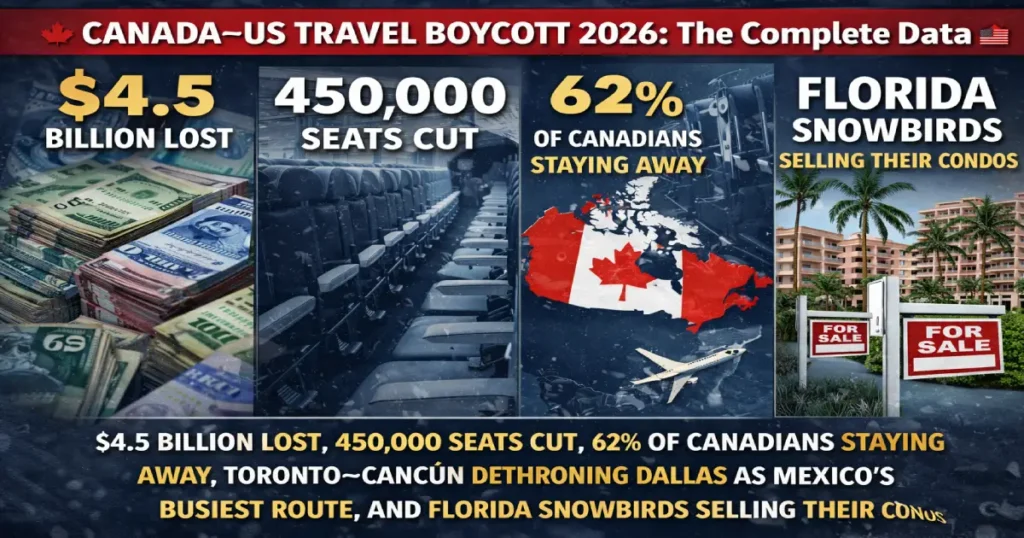
For months, headlines have been dominated by a growing movement: the call for a travel boycott of the United States. Sparked by a complex web of geopolitical tensions and domestic policies, this trend has seen some travelers, both internationally and within North America, publicly pledging to avoid American destinations. Yet, amidst this wave of protest, a fascinating counter-narrative is emerging from the north. Canadian travelers, in significant numbers, are not just ignoring the boycott—they are actively defying it. While the sentiment resonates in certain circles, the practical reality for many Canadians is a continued, and even heightened, interest in visiting their southern neighbor.
The Boycott Buzz: Understanding the “Why”
To comprehend the defiance, we must first understand the movement being defied. The travel boycott trend is not monolithic; it’s fueled by several converging streams of discontent.
Geopolitical and Social Catalysts
The primary accelerant has been the U.S. stance on the Israel-Hamas conflict. For many, U.S. foreign policy is a direct line to their consumer and travel choices. Concurrently, ongoing domestic debates in the U.S. around reproductive rights, LGBTQ+ protections, and gun violence have made some Canadian travelers feel uneasy about spending their tourism dollars in states with laws that conflict with their values. The boycott, for its proponents, is a form of economic and ethical protest.
The Ripple Effect on Tourism
This isn’t just social media chatter. Destination marketing organizations in some U.S. cities have reported a noticeable dip in international interest and inquiries. Travel forums and comment sections are filled with pledges to choose Europe, Asia, or domestic Canadian travel over a trip to Florida, California, or New York. The narrative suggested a potential seismic shift in travel patterns.
The Canadian Contradiction: Why the Boycott Isn’t Sticking
Despite the compelling reasons behind the boycott, the data and anecdotal evidence from the Canadian market tell a different story. For the average Canadian traveler, the pull of the U.S. remains overwhelmingly strong, governed by a different set of practical and emotional equations.
Proximity, Price, and Familiarity
The fundamental logic of Canadian travel to the U.S. is hard to overturn with a boycott.
- Unbeatable Proximity: For millions of Canadians, a major U.S. city is closer than their own national capital. Weekend getaways to Seattle, Buffalo, or Detroit are deeply ingrained habits.
- Cost-Effective Getaways: Despite currency fluctuations, short-haul flights to U.S. sun destinations (Florida, Arizona, Nevada) often remain competitive with, or cheaper than, flights across Canada, especially during the winter escape season.
- The Familiarity Factor: There’s no language barrier, driving rules are similar, and cultural touchstones are shared. For a family seeking a straightforward vacation, this ease is a powerful deciding factor.
The “Sun Seeker” Imperative
This is perhaps the most potent force. When the Canadian winter sets in, the desire for reliable sunshine and warmth becomes a powerful motivator. While Mexico and the Caribbean are alternatives, the U.S. Sun Belt—with its vast infrastructure of direct flights, familiar resorts, and rental car networks—is the default choice for generations of Canadians. The call to boycott struggles to compete with the call of 80-degree sunshine in February.
Selective Travel, Not Total Boycott
Many Canadians are engaging in a more nuanced form of travel ethics. Instead of a blanket boycott, they are practicing destination selectivity.
- They might bypass states with specific laws they find objectionable, while still planning a trip to a state more aligned with their values.
- They are increasingly seeking out businesses and destinations within the U.S. that make clear their inclusive or sustainable commitments, using their travel dollars to support aligned entities rather than withdrawing entirely.
This thoughtful approach allows for both ethical consideration and the fulfillment of a much-desired vacation.
Beyond Politics: The Enduring Emotional Pull of the USA
The relationship between Canadian and American travel is not merely transactional; it’s woven with nostalgia and shared experience.
Nostalgia and Family Traditions
For countless Canadian families, a trip to Disney World, a spring training baseball game in Florida, or a shopping trip to New York is a cherished multi-generational tradition. These experiences create powerful emotional anchors that transcend current events. Parents are reluctant to deny their children the same memories they hold dear, simply because of a political climate that may, in their view, be temporary.
The Allure of Iconic Experiences
The U.S. boasts a concentration of globally iconic experiences that are hard to replicate. The magic of a Broadway show, the awe of the Grand Canyon, the excitement of Las Vegas, or the cinematic thrill of a Hollywood studio tour represent unique draws. For many Canadians, these are bucket-list items that feel essential, not optional.
The Verdict: A Complex Landscape for Cross-Border Travel
The travel boycott trend is a real and meaningful expression of protest for a segment of the population. It has succeeded in raising awareness and prompting important conversations about the ethics of tourism. However, the Canadian response illustrates that for the majority, travel decisions are a complex calculus.
The defiance of the boycott isn’t necessarily a political statement against its aims; it’s often a pragmatic choice driven by cost, convenience, climate, and deep-seated travel habits. It highlights that while geopolitical events can influence tourism, the foundational pillars of proximity, value, and desire often prove more resilient.
The future likely holds not a mass exodus or a blind return, but a more conscious and selective approach. Canadian travelers will continue to flow south, but perhaps with a greater awareness of where their dollars go. They are navigating a path between principle and practicality, proving that in the world of travel, the deepest currents are not always the ones making the most noise. The enduring north-south connection, it seems, is built on a foundation that can withstand periodic storms.