Mark Carney’s Liberal Government Faces Crucial By-Election Test
In the often-unpredictable world of Canadian politics, by-elections are more than just routine contests to fill vacant seats. They are high-stakes referendums, offering a snapshot of public sentiment and a potential preview of a government’s electoral future. For Prime Minister Mark Carney’s Liberal minority government, a set of looming by-elections represents precisely that: a critical mid-term examination of its leadership, policy agenda, and political durability.
With a fragile grip on power in the House of Commons, every seat is a precious commodity for the Liberals. These contests are not merely about maintaining numbers; they are a vital test of Carney’s personal political capital and his government’s ability to connect with voters amid significant economic and social challenges. The results will send a powerful signal—either of renewed confidence or growing discontent—that will reverberate through Ottawa and shape the political narrative for the months to come.
The Stakes: More Than Just Seats in the House
For a minority government, the parliamentary arithmetic is a constant preoccupation. The loss of even a single seat can tighten the margin for error on confidence votes and complicate the delicate negotiations required to pass legislation. But the implications of these by-elections extend far beyond the immediate headcount.
They serve as a nationwide political weather vane. A strong showing by the Liberals would be interpreted as an endorsement of Carney’s economic stewardship and his government’s direction, potentially stifling opposition momentum and strengthening the PM’s hand both within his party and across the aisle. Conversely, losses, particularly in traditionally safe or competitive ridings, would be framed as a rebuke, emboldening the Official Opposition Conservatives under Pierre Poilievre and raising questions about the government’s longevity.
Key Ridings to Watch
While the specific electoral battlegrounds are set by vacancies, analysts will be scrutinizing races in a few key types of constituencies:
- Traditional Liberal Strongholds: A loss or a severely diminished margin in a riding long held by the party would signal deep trouble, suggesting core support is eroding.
- Recent Swing Ridings: Contests in areas that flipped between parties in the last general election will be the clearest indicator of shifting voter allegiances and the effectiveness of party ground games.
- Quebec Seats: Given the province’s volatile political landscape and bloc-based voting, any by-election in Quebec carries outsized importance for national unity narratives and coalition-building.
The Carney Factor: Asset or Liability?
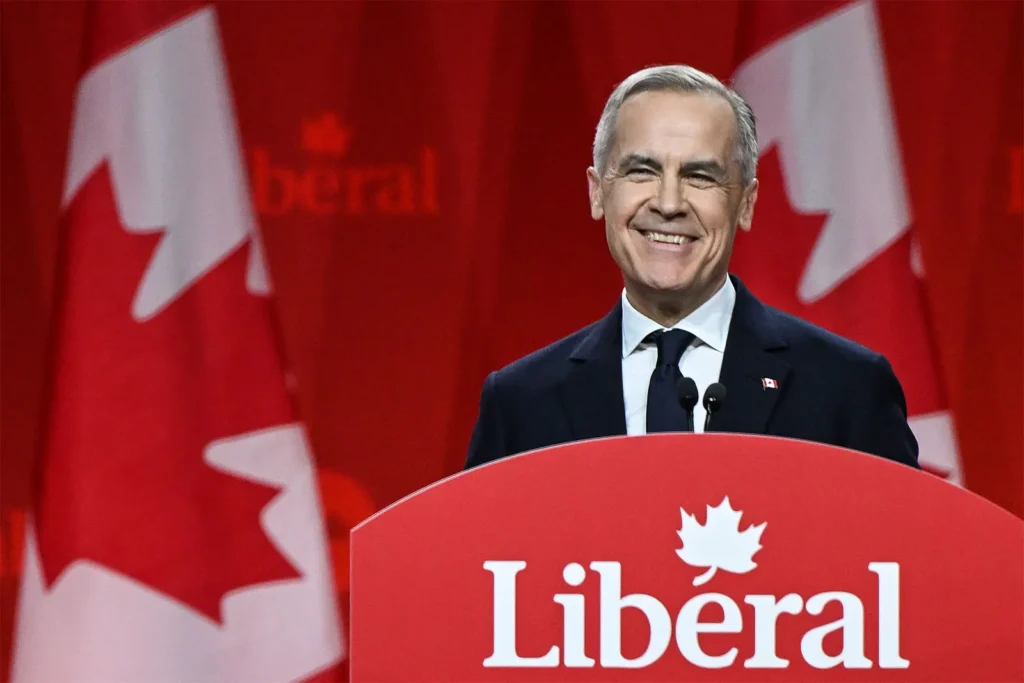
Mark Carney’s entry into elected politics was met with both high expectations and intense scrutiny. As a former Governor of the Bank of Canada and the Bank of England, he brought unparalleled economic credentials but also the label of an “elite outsider.” These by-elections will be a key measure of how that profile is resonating with the electorate after nearly two years in office.
On the trail, Carney’s team will undoubtedly highlight what they frame as steady, competent economic management in turbulent global times. They will point to policies aimed at affordability, clean energy investment, and fiscal responsibility. However, the opposition, particularly the Conservatives, have relentlessly attacked the government on the very same issues: the cost of living, housing affordability, and carbon tax policies. The by-election results will reveal which narrative is cutting through with voters.
Furthermore, Carney’s leadership style—often described as more technocratic than charismatic—is also on trial. Can he motivate the Liberal base and persuade undecided voters in a hyper-local campaign where retail politics matter? The performance of the Liberal candidates, who are effectively proxies for the Prime Minister, will provide a partial answer.
Opposition Strategies: Seizing the Moment
The Conservative Party, under Pierre Poilievre, is approaching these by-elections with one goal: to win. Poilievre’s populist, pocketbook-focused messaging has consistently polled well on issues of inflation and housing. The Conservatives will use these contests as a national megaphone, framing each race as a chance to “send a message” to an out-of-touch government in Ottawa.
For the New Democratic Party (NDP), the dynamics are more complex. As the party providing the confidence-and-supply agreement that sustains the Liberal government, significant NDP losses could fuel internal debate about the arrangement’s value. The party will strive to demonstrate its own relevance and hold its ground, particularly in its traditional strongholds.
- Conservative Playbook: Aggressively target cost-of-living anxieties, attack carbon pricing, and present Poilievre as the champion of the “common people.”
- NDP Calculus: Balance support for progressive government policies with distinct criticism on delivery, emphasizing pharmacare and dental care wins while pushing for more on housing.
- Bloc Québécois & Greens: Focus on maximizing their own regional or niche support, potentially playing spoiler in tight races.
Broader Implications for the Political Landscape
The fallout from these by-elections will set the tone for the next chapter of Canadian politics. A Liberal victory or hold in most seats would likely:
- Stabilize the minority government, possibly extending its timeline.
- Mute internal Liberal dissent and solidify Carney’s authority.
- Force opposition parties to reconsider their attack lines.
However, significant Liberal losses would trigger a very different chain reaction:
- Immediate speculation about an early general election would dominate political discourse.
- Pressure would mount within the Liberal caucus for a course correction, potentially leading to cabinet shuffles or policy pivots.
- The NDP would face intense pressure from its base to reconsider the confidence agreement.
- Pierre Poilievre and the Conservatives would be galvanized, positioning themselves as a government-in-waiting.
The Affordability Election
Above all, these contests are poised to be decided on the issue of economic affordability. While national debates over climate policy, foreign affairs, and social issues matter, the day-to-day reality for most voters is the price of groceries, rent, and mortgage payments. The party that is perceived to have the most credible and empathetic plan to address these kitchen-table concerns will likely emerge from the by-elections with the wind at its back.
Conclusion: A Pivotal Moment on the Path to the Next Election
By-elections are a unique moment of focused political intensity. For Mark Carney’s Liberals, the upcoming votes are a crucial diagnostic tool. They will reveal the strength of the party’s organizational machinery, the potency of its messaging, and the public’s current appetite for its vision of the country.
While no single by-election will determine the fate of the government, collectively they will paint a compelling picture of Canada’s political mood. A strong performance will give Carney the breathing room and mandate to govern with more confidence. A poor showing will plunge his minority into a deeper state of crisis, accelerating the countdown to a general election. As candidates hit the doorsteps and leaders ramp up their rhetoric, one thing is certain: all of Ottawa—and the nation—will be watching, knowing that these local races carry profoundly national consequences.