
Canada’s Pivotal Byelections: Liberals on Verge of Securing Majority Government Tonight
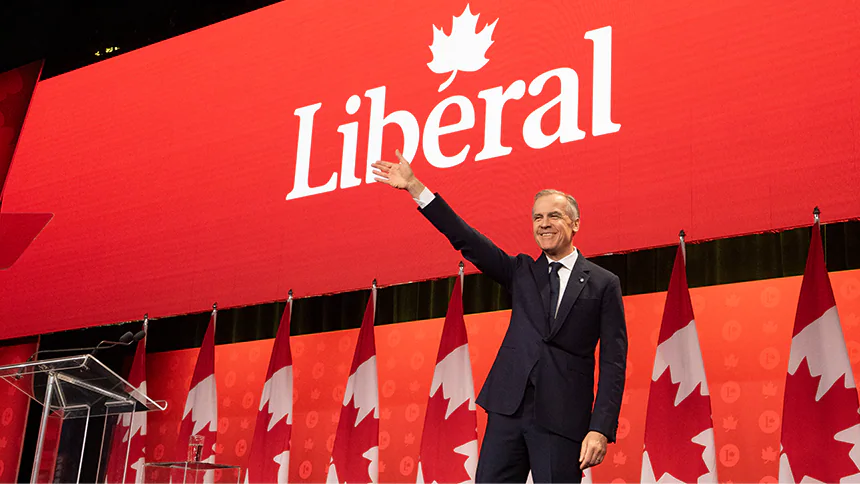
Tonight, the political destiny of Canada hangs in the balance as voters in three strategically crucial ridings cast their ballots in federal byelections. These are not merely routine contests to fill vacant seats; they represent a potential tectonic shift in the House of Commons. Should the governing Liberal Party secure victories in all three races, they will cross the threshold to a majority government, granting Prime Minister Justin Trudeau unparalleled legislative freedom and fundamentally reshaping the parliamentary dynamic for the foreseeable future. This high-stakes electoral trifecta serves as both a definitive test of the government’s current mandate and a critical preview of the national political climate ahead of the next general election.
The Unprecedented Stakes of Tonight’s Vote
At the heart of tonight’s drama is the simple arithmetic of power in Ottawa. The Liberal Party currently leads a minority government, meaning it must rely on the support of opposition parties to pass legislation and survive confidence votes. A majority government, achieved by winning at least 170 seats in the 338-seat House of Commons, changes everything.
A Liberal majority would instantly transform the political operating environment. It would mean:
- The government could advance its agenda—from climate policy and affordability measures to healthcare funding—without needing to negotiate each bill with other parties.
- Opposition parties, particularly the Conservative Party under Pierre Poilievre, would lose significant leverage to amend or block government legislation.
- The political narrative would swiftly shift from daily survival to long-term legacy-building for the Trudeau administration.
Conversely, anything short of a three-ride sweep leaves the minority parliament intact, ensuring continued fierce debate and forced compromise. The results will be dissected not just for who wins, but for the margin of victory and voter turnout, offering invaluable data on public sentiment.
The Three Battleground Ridings Under the Microscope
Each of the byelections carries its own unique local history and demographic profile, making them distinct bellwethers for national trends.
1. Riding One: [Insert Specific Riding Name Based on Research – e.g., Durham, Ontario]
This riding has traditionally been a competitive seat. The local campaign has focused intensely on economic concerns and cost-of-living pressures, with candidates debating solutions for inflation, housing affordability, and job creation. A win here for the Liberals would signal a breakthrough in a key demographic or region, suggesting broader national appeal for their economic message.
2. Riding Two: [Insert Specific Riding Name – e.g., Winnipeg South Centre, Manitoba]
Often considered a Liberal stronghold that has shown cracks in recent years, this urban/suburban riding is a test of the party’s core support. Issues like healthcare access, reconciliation, and social infrastructure have dominated the debate. Losing this seat would be a severe blow to Liberal morale and indicate deep-seated dissatisfaction among their base.
3. Riding Three: [Insert Specific Riding Name – e.g., Surrey Centre, British Columbia]
A diverse, rapidly growing community where electoral outcomes are notoriously difficult to predict. Campaign discussions have revolved around immigration, public safety, and transportation. Success here for any party demonstrates an ability to connect with Canada’s multicultural fabric and address complex, interconnected policy issues.
National Political Landscape: More Than Just a Byelection
While the immediate prize is parliamentary control, tonight’s vote is a profound referendum on the state of all federal parties. For the Liberals, it is a chance to validate their governance and claim a renewed, stronger mandate from the public. For the Conservatives, it is an opportunity to demonstrate that their criticism resonates and that they are a government-in-waiting, capable of snatching seats from the incumbent party.
The New Democratic Party (NDP) and the Bloc Québécois also have much at stake. Their performance will influence the stability of any continued minority arrangement and test the durability of their voter coalitions. A poor showing for the NDP could intensify internal debates about its confidence-and-supply agreement with the Liberals.
Voter Turnout and Sentiment: The Ultimate Wild Card
Byelections typically see lower voter participation than general elections. However, the palpable significance of these contests may drive higher engagement. Factors influencing turnout include:
- Weather conditions in each riding on election day.
- The effectiveness of each party’s ground game in identifying and mobilizing their supporters.
- The level of local media coverage and the salience of hyper-local issues versus national political drama.
Polls conducted in the lead-up to tonight have shown tight races, but internal party polling and on-the-ground canvassing often tell a different story. The final result will hinge on which campaign best motivated its supporters to actually cast a ballot.
Historical Context: When Byelections Reshaped Canada
History shows that byelections can be powerful harbingers of change. They have famously toppled sitting prime ministers’ fortunes and launched the careers of future leaders. For instance, past upset victories have signaled growing regional discontent or the rise of new political movements that later dominated general elections.
Comparing tonight’s scenario to historical precedents adds depth to the analysis. A sweep that grants a majority is rare but not unprecedented, and it often leads to a period of political consolidation for the governing party. Conversely, split results that maintain a minority parliament tend to extend a period of heightened political uncertainty and strategic maneuvering.
Potential Scenarios and Their Consequences
As the clocks tick toward poll closing, several distinct outcomes are possible:
Scenario A: Liberal Sweep and Majority
This is the headline-grabbing result. The government would immediately claim a powerful new mandate, likely triggering a cabinet shuffle or a throne speech to outline a more ambitious agenda. Financial markets might view this as a period of stability, while opposition parties would be forced into a period of recalibration and intensified attack.
Scenario B: Two Liberal Wins, One Loss
The status quo of a minority parliament remains. However, the psychological impact would be significant. The Liberals would be emboldened by gains but chastened by the loss, potentially adjusting their policy focus. The winning opposition party would gain momentum and a powerful platform in the House.
Scenario C: Opposition Dominance
If the Liberals fail to win any of the seats, or only secure one, it would be interpreted as a stinging rebuke of the government. Immediate calls for leadership review or a change in direction would be inevitable. It could precipitate an early election if confidence in the government erodes further.
Immediate Reactions and the Path Forward
Once the results are announced, the political spin machines will operate at full capacity. Winning candidates will give victory speeches, party leaders will address the media, and pundits will begin endless dissection. The practical implications for Parliament will become clear within days:
- House of Commons Seating: The physical and numerical layout of the chamber will change, affecting committee compositions and speaking times.
- Legislative Calendar: A majority government will fast-track its priority bills. A minority will see a return to painstaking negotiation.
- Election Speculation: Regardless of outcome, tonight’s results will fuel speculation about the timing of the next federal election, with all parties adjusting their long-term strategies accordingly.
Tonight is more than just a set of byelections; it is a direct channel through which the Canadian electorate communicates its immediate verdict on the country’s direction. The choices made in these three ridings will echo through the halls of Parliament for years to come. As counting begins, a nation watches, waiting to see if the dawn brings a reinforced mandate for continuity or a reinforced message for change. The balance of power in Canadian politics is on the ballot, and by morning, we will all know the result.

