
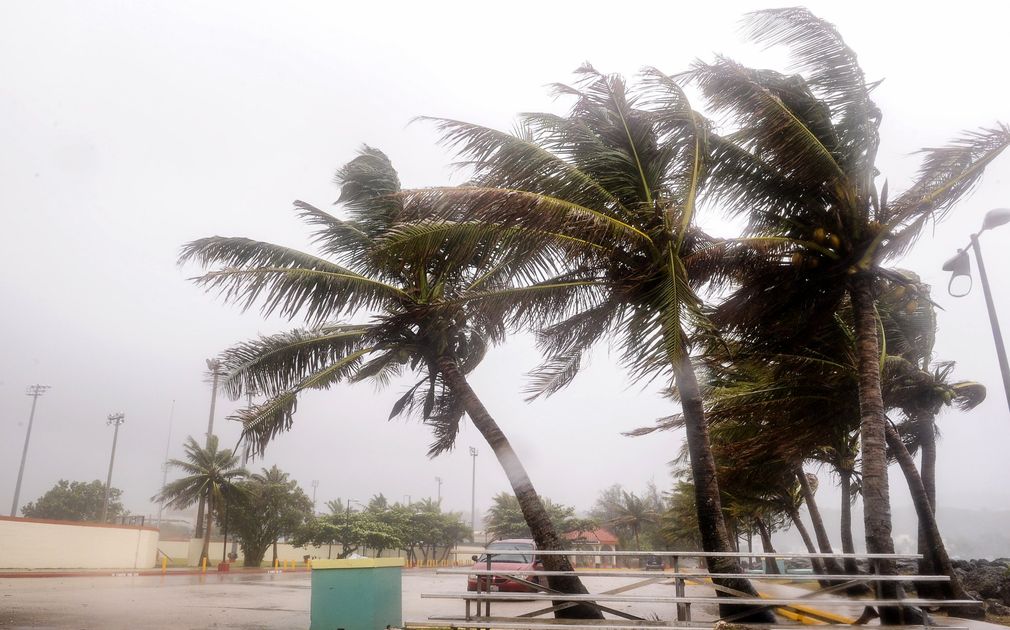
Monster Typhoon Threatens Remote US Pacific Islands with Destruction
A colossal and dangerously powerful typhoon is churning across the Pacific Ocean, setting a catastrophic course for a chain of remote U.S. islands. The storm, a formidable force of nature, poses an extreme threat of widespread destruction, prompting urgent preparations and dire warnings for residents who have nowhere to flee.
The target is the Northern Mariana Islands, a U.S. commonwealth thousands of miles west of Hawaii. At the center of the bullseye is the island of Saipan, home to tens of thousands of people, along with the neighboring islands of Tinian and Rota. For these isolated communities, surrounded by the vast expanse of the ocean, riding out the storm is their only option.
A Storm of Unprecedented Strength
This isn’t just another tropical system. Meteorologists are classifying it as a “super typhoon,” a term reserved for the most intense storms on the planet, equivalent to a Category 4 or 5 hurricane in the Atlantic. Satellite imagery reveals a terrifyingly well-defined eye, surrounded by a dense, symmetrical wall of thunderstorms packing sustained winds estimated at well over 150 miles per hour, with gusts far higher.
The typhoon’s power is being fueled by exceptionally warm ocean waters in the region, which act as rocket fuel for tropical cyclones. With little wind shear to disrupt it, the storm has been able to organize and intensify rapidly, a process that has left forecasters deeply concerned about its landfall potential.
The Looming Threats: More Than Just Wind
While the catastrophic winds are the headline, the typhoon brings a trio of deadly hazards:
- Storm Surge: A massive and life-threatening wall of water is expected to be pushed ashore. This surge could inundate low-lying coastal areas, sweeping away everything in its path. Residents in vulnerable zones have been told to evacuate immediately.
- Torrential Rainfall: The slow-moving nature of the storm as it approaches means it will dump prodigious amounts of rain, measured in feet, not inches. This will lead to flash flooding and devastating mudslides, especially in mountainous terrain, potentially cutting off communities and washing out roads.
- Destructive Winds: Winds of this magnitude can turn debris into deadly projectiles, shred buildings, snap concrete power poles, and strip the landscape bare. Widespread and long-lasting power outages are a certainty.
A Community Bracing for Impact
On the islands, the atmosphere is one of grim determination. Emergency management officials have shifted from preparation to urgent protective action.
- Schools and government offices have been shuttered.
- Residents are boarding up windows, securing loose objects, and stocking up on essential supplies like water, non-perishable food, and medicine.
- Designated shelters have been opened for those in the most flood-prone and vulnerable areas.
The islands’ geographic isolation complicates everything. There are no last-minute evacuations to a safer state. “Hunkering down” is the only strategy. This reality underscores the critical importance of heeding warnings and completing preparations well before the first bands of rain arrive.
The Challenge of Recovery in Remote Islands
The aftermath of the typhoon will present monumental challenges. Due to their remote location in the western Pacific, logistical support and disaster relief will not arrive quickly. Restoring power, clearing debris, and delivering emergency supplies will be a slow and arduous process, especially if the islands’ ports and airports sustain significant damage.
The local infrastructure, while resilient, is not designed to withstand a direct hit from a storm of this caliber. The economic impact on communities reliant on tourism and limited industry will be severe and long-lasting.
Climate Change and the Intensifying Pacific Threat
While individual storms cannot be directly attributed to climate change, the scientific consensus is clear: a warming planet is creating conditions more favorable for the formation of intense tropical cyclones. The western Pacific is a hotspot for such activity, and the trend toward rapid intensification—where storms blow up in strength over a very short period—is becoming more common.
This event serves as a stark reminder that climate change is not a distant future problem. It is impacting communities now, especially those on the front lines like small island nations and territories who have contributed the least to global carbon emissions.
How to Help and Stay Informed
For those watching from afar, concerned for the safety of the island residents, the best course of action is to stay informed through reputable weather sources and official government channels. In the wake of the storm, vetted humanitarian organizations will likely launch relief efforts. Financial donations to these established groups are often the most effective way to provide support, allowing for the purchase and transport of exactly what is needed on the ground.
The coming hours are critical for the people of the Northern Marianas. As the monster typhoon closes in, their resilience is being put to the ultimate test. The world watches and hopes for their safety, a sobering reminder of the raw power of nature and the vulnerability of even the most steadfast communities in its path. The focus now is on survival, with the long and difficult road to recovery waiting on the other side of the storm.

