Saskatchewan Leaders Address Municipal Priorities at SUMA Convention
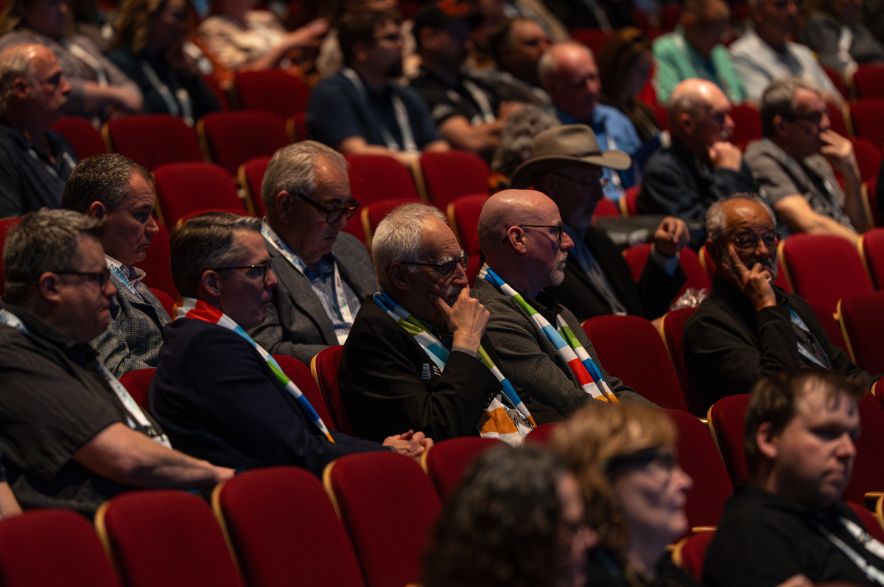
The annual gathering of municipal leaders in Saskatchewan is always a pivotal moment for setting the province’s collaborative agenda. This year’s Saskatchewan Urban Municipalities Association (SUMA) convention was no different, serving as a crucial forum where the province’s top political figures directly engaged with the mayors, reeves, and councillors who govern on the front lines. The speeches and discussions underscored a year of significant challenges and laid out a roadmap for partnership between the provincial and municipal orders of government.
A Stage for Provincial Vision and Municipal Concerns
The convention floor became a shared stage where provincial priorities met local realities. For municipal leaders, the event is a primary opportunity to advocate directly to the provincial cabinet for support on issues ranging from infrastructure funding to legislative changes. Conversely, for the province, it’s a chance to communicate its vision and policy direction directly to the community leaders responsible for implementation.
Premier Moe’s Focus on Growth and Affordability
Premier Scott Moe took to the podium emphasizing his government’s commitment to Saskatchewan’s record population growth and economic momentum. His address likely centered on how this growth impacts municipalities and the need for partnership to manage it successfully. Key themes from the Premier’s speech included:
- Infrastructure Demands: Acknowledging that a growing population places increased strain on municipal infrastructure like roads, water plants, and recreational facilities.
- Economic Partnerships: Highlighting provincial investments and strategies aimed at driving economic development that benefits both provincial and municipal economies.
- Affordability Measures: Reiterating provincial efforts to provide relief from inflation, such as the removal of the provincial fuel tax, and how these measures support municipal residents.
The Premier’s tone was likely one of collaboration, but also framed within the context of the province’s own fiscal framework and priorities.
NDP Leader Carla Beck’s Critique and Alternative Vision
As the Leader of the Official Opposition, Carla Beck provided a counterpoint to the government’s narrative. Her address focused on holding the government accountable for municipal concerns that, in her view, are not being adequately addressed. Central to her critique were:
- Funding Shortfalls: Arguing that the current provincial-municipal revenue-sharing model and infrastructure programs are insufficient to meet the massive need, leading to higher property taxes or deferred maintenance.
- The PST Expansion: A continued focus on the government’s 2022 expansion of the Provincial Sales Tax to construction, which municipalities argue has drastically increased the cost of building everything from fire halls to community centres.
- A Call for Respectful Partnership: Emphasizing a need for a more respectful and collaborative relationship between the province and municipalities, moving beyond what critics call top-down decision-making.
Beck’s speech aimed to position the NDP as the party that listens more closely to the urgent needs of local governments.
Core Municipal Issues Dominating the Dialogue
Beyond the political speeches, the convention dialogue revolved around several persistent, high-stakes issues for Saskatchewan communities.
The Ever-Present Infrastructure Deficit
The municipal infrastructure gap remains the single largest topic at any SUMA convention. Leaders from cities, towns, and villages universally report that their needs for road repairs, bridge replacements, and water system upgrades far outpace their available funding. The call for a new, long-term, and predictable infrastructure funding partnership with the province is a perennial and urgent request.
Revenue Sharing and Fiscal Sustainability
The health of municipal budgets is directly tied to the Provincial Municipal Revenue Sharing (MRS) program. While often touted by the province, municipal leaders consistently seek a larger, guaranteed portion of provincial tax revenue. They argue that as the level of government closest to the people, they need adequate, predictable funding to deliver the services residents rely on daily, without overburdening property taxpayers.
Public Safety and Community Well-being
Issues of community safety and social development are increasingly on the municipal agenda. Leaders discussed the complex challenges of policing, mental health and addictions support, and homelessness. There is a strong push for the provincial government to be a more active partner in funding and delivering social services, as municipalities often bear the brunt of these systemic issues without the corresponding resources or jurisdictional tools.
Housing and Growth Management
With Saskatchewan growing at a record pace, housing availability and affordability have become critical municipal concerns. Convention discussions focused on the need for strategic partnerships to accelerate housing construction, update municipal planning tools, and ensure growth is managed sustainably without overwhelming existing community resources.
The Path Forward: Collaboration or Continued Friction?
The SUMA convention ultimately highlights the interdependent relationship between the provincial and municipal governments. While speeches may differ in tone and priority, a common thread is the undeniable need for cooperation.
The success of Saskatchewan’s communities—and the province as a whole—depends on a functional partnership. Municipalities are the engines of daily life, responsible for the core services that make communities livable. The province sets the broader legislative and fiscal framework. When this relationship is collaborative and well-resourced, communities thrive. When it is strained, local challenges become magnified.
The conversations in Regina this week will echo in council chambers across Saskatchewan for months to come. The true test will be whether the dialogue translates into tangible actions: increased and flexible infrastructure funding, a review of contentious policies like the PST on construction, and a genuine sense that municipal voices are not just heard but are instrumental in shaping the policies that affect them. The SUMA convention isn’t just a meeting; it’s an annual barometer for the health of Saskatchewan’s governance partnership, and all eyes will be on what follows from the discussions held on its stage.