
# US Weighs Controversial Plan to Relocate Afghan Allies to Congo
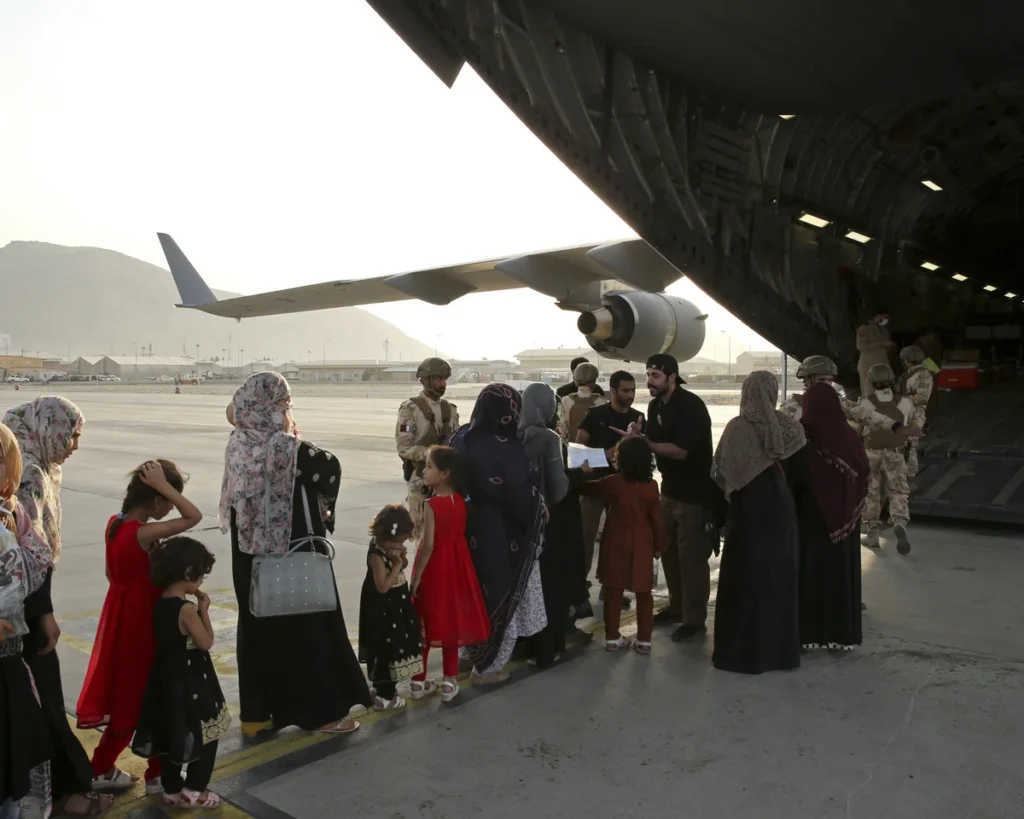
**The Biden administration is reportedly exploring a deeply divisive proposal to send approximately 1,100 Afghan nationals—who risked everything to support American troops during the war in Afghanistan—to the Democratic Republic of the Congo.** According to a detailed report from The Guardian, Trump-era officials are now considering this offshore resettlement plan, despite the Congo grappling with its own severe humanitarian emergencies and ongoing armed conflicts.
This potential move has ignited a firestorm of criticism from veterans’ groups, human rights organizations, and immigration advocates. Many argue that the United States bears a moral and legal responsibility to resettle these individuals on American soil, as they were promised safety under the Special Immigrant Visa (SIV) program. Instead, they now face the prospect of being sent to a nation plagued by instability, violence, and limited infrastructure.
—
## Why This Plan Is Sparking Outrage
The Moral Debt to Afghan Allies
For two decades, thousands of Afghan nationals worked shoulder-to-shoulder with U.S. forces as interpreters, drivers, cultural advisors, and security personnel. These individuals often faced daily threats of assassination from the Taliban for their direct support of American military objectives. The SIV program was designed specifically to honor that sacrifice by providing a pathway to safety in the United States.
However, bureaucratic delays, processing backlogs, and shifting political priorities have left many applicants in a state of prolonged limbo. Now, rather than expediting their arrival in America, officials are reportedly weighing an offshore alternative that critics describe as a betrayal.
Key facts about the affected individuals:
– Approximately 1,100 men, women, and children are included in the proposed relocation
– Many served as interpreters, drivers, and local staff embedded with U.S. troops
– Applicants often waited years for visa approvals while hiding from Taliban threats
– The SIV program was intended to guarantee resettlement in the United States
The Congo Option: A Troubling Precedent
The rationale behind this controversial strategy reportedly centers on the strain that even 1,100 new arrivals could place on an already overburdened U.S. immigration system. By outsourcing refugee processing to a third country, officials hope to reduce domestic political friction and logistical demands.
Yet, the choice of the Democratic Republic of the Congo has raised serious questions. The nation is currently confronting:
– Armed conflict in eastern provinces involving dozens of militant groups
– A massive displacement crisis affecting over six million people
– Limited healthcare, education, and housing infrastructure
– Widespread poverty and food insecurity
For Afghan allies who risked their lives aiding the United States, being relocated to such a volatile environment feels less like a solution and more like a punishment. Many have expressed deep anxiety about starting over in a country completely foreign to them, without cultural ties, language skills, or support networks.
—
## The Human Cost Behind the Headlines
Stories of Sacrifice and Uncertainty
Behind the policy debate are real people with harrowing stories. Interpreters who guided U.S. patrols through hostile territory. Drivers who transported supplies under enemy fire. Local staff who maintained bases and provided intelligence that saved American lives.
These individuals and their families now face an agonizing wait, unsure whether they will be welcomed into the United States or sent to a crisis-ridden African nation. The psychological toll is immense, especially for those who have already spent years hiding from Taliban reprisals.
Legal and Diplomatic Hurdles
Implementation of this plan would require significant coordination with Congolese authorities. It is unclear whether the government in Kinshasa has agreed to accept these refugees, and under what conditions. Additionally, the plan would almost certainly face legal challenges from immigration advocates, who argue that it violates the spirit and letter of the SIV program.
Potential obstacles include:
– Diplomatic negotiations with Congo’s government regarding terms and conditions
– Legal action from advocacy groups arguing breach of promise to Afghan allies
– Logistical challenges of processing and transporting refugees to a conflict zone
– Funding questions about who would pay for housing, security, and integration
—
## A Pattern of Outsourcing Refugee Processing
This proposed relocation is not an isolated event. The United States has increasingly turned to third countries to handle refugee resettlement—a strategy that has drawn sharp criticism from human rights organizations.
Under previous administrations, similar arrangements were explored for other groups, including Central American asylum seekers and certain African refugees. Advocates argue that this approach allows the U.S. to claim credit for humanitarian action while avoiding the domestic responsibilities that come with it.
Moral Obligation vs. Political Reality
The debate over relocating Afghan allies to Congo reflects a broader tension in U.S. foreign policy. On one hand, there is a clear moral obligation to protect those who risked everything to support American missions. On the other hand, domestic political considerations and strained immigration systems create powerful incentives to seek offshore alternatives.
Arguments for domestic resettlement:
– Honoring promises made under the SIV program
– Providing safety in a stable, secure environment
– Demonstrating gratitude for wartime sacrifices
– Upholding American values of loyalty and commitment
Arguments pushing for offshore relocation:
– Reducing strain on U.S. immigration infrastructure
– Avoiding political backlash from anti-immigration groups
– Lowering short-term costs and logistical complexity
– Testing a new model for refugee processing
—
## What Happens Next?
As of now, it remains unclear whether this controversial plan will move forward. The Biden administration has not issued an official statement confirming or denying the report. However, the mere discussion of such a proposal has already sparked intense debate among policymakers, veterans, and human rights advocates.
Key Questions That Remain Unanswered
– Has the Congo government agreed to accept these refugees?
– What legal protections would be in place for relocated individuals?
– How would the U.S. ensure safety and basic services in Congo?
– What recourse do Afghan allies have if they refuse relocation?
Implications for Future Policy
The outcome of this situation could set a powerful precedent for how the United States treats its wartime allies for decades to come. If offshore relocation becomes standard practice, it could fundamentally alter the nature of commitments made to foreign nationals who assist U.S. military operations.
Conversely, if public pressure forces the administration to bring these individuals to America, it could reinforce the moral framework that has historically guided U.S. refugee policy.
—
## The Bottom Line
For the 1,100 Afghan men, women, and children caught in this limbo, the stakes could not be higher. They are trapped between a war they helped win and a future that may not include the safety and security they were explicitly promised.
This story demands attention from anyone concerned with U.S. foreign policy, refugee crises, and the ethical treatment of wartime allies. The decision made in the coming weeks will resonate far beyond this small group—it will define America’s character and reliability for generations to come.
Whether the plan moves forward or collapses under legal and political pressure, one thing is certain: the world is watching how the United States treats those who risked everything to fight alongside its troops.

