Canada’s Spring Economic Update: Key Announcements on April 28
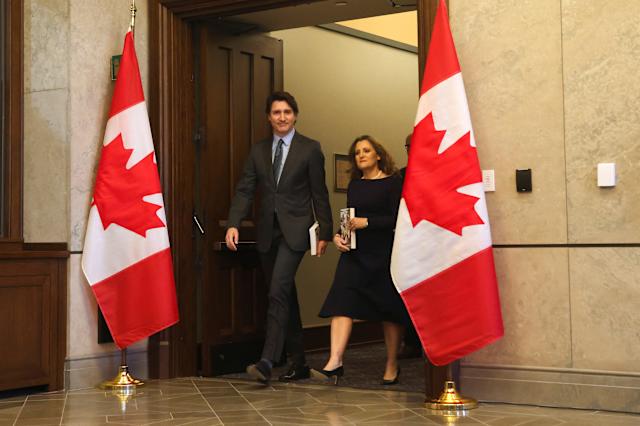
All eyes are on Ottawa as Finance Minister Chrystia Freeland prepares to deliver the federal government’s Spring Economic Update on April 28. This annual fiscal snapshot, formally known as the Economic and Fiscal Update, arrives at a critical juncture for the Canadian economy. With households grappling with the high cost of living, businesses facing economic headwinds, and the government navigating a delicate fiscal path, the update will offer a crucial look at the nation’s financial health and signal the government’s policy priorities for the remainder of the year.
Why the Spring Economic Update Matters
Scheduled between the annual federal budget and the fall fiscal update, the spring statement serves as a vital check-in. It provides a revised economic forecast, updates the government’s fiscal position based on the most recent data, and often announces new, targeted measures. This year’s update is particularly significant as it follows a federal budget that promised billions in new spending on housing and defense, raising questions about fiscal sustainability and inflation management.
The government is walking a tightrope. On one side, there is immense pressure to provide further relief to Canadians struggling with persistently high inflation, especially in groceries and housing. On the other, the Bank of Canada has warned that significant new government spending could complicate its efforts to tame inflation and achieve its 2% target. Minister Freeland’s update will be scrutinized for how it balances these competing demands.
Anticipated Focus Areas and Potential Measures
While the full details will be revealed on April 28, several key themes are expected to dominate the Spring Economic Update.
1. Affordability and Cost-of-Living Relief
This remains the top political and economic concern. The government may use the update to:
- Enhance existing programs like the Grocery Rebate or the Canada Housing Benefit.
- Introduce new, targeted measures for low- and middle-income families, potentially through the tax system.
- Provide updates on initiatives to increase housing supply, a long-term solution to the affordability crisis.
2. Fiscal Discipline and Deficit Projections
Investors, credit rating agencies, and economists will pore over the new deficit and debt-to-GDP projections. The question is whether the government will stick to its stated goal of keeping the deficit below $40.1 billion for 2024-25, as projected in the fall. Any significant upward revision could spark concerns about the country’s fiscal anchor and its impact on interest rates.
3. Economic Growth and Productivity
Canada’s lagging productivity growth is a growing worry. The update may outline new strategies or funding to boost business investment, innovation, and economic capacity. This could involve:
- Measures related to the clean economy and investment tax credits.
- Initiatives to streamline regulatory processes.
- Updates on the government’s efforts to secure trade and investment.
4. Housing and Infrastructure
Building on the recent budget’s housing announcements, the spring update could provide further details on the implementation of its ambitious housing plan. This includes the pace of funding for the Apartment Construction Loan Program and agreements with municipalities under the Housing Accelerator Fund. Updates on critical infrastructure projects may also feature prominently.
The Broader Economic Context
The update will be framed against a complex global and domestic backdrop. Globally, geopolitical tensions and slowing growth in key economies like China create uncertainty. Domestically, while the economy has avoided a technical recession, growth remains anemic. The labour market is cooling from its red-hot state, though wage growth remains strong.
The Bank of Canada’s next interest rate decision on June 5 will loom large over the update’s reception. The central bank is looking for clear evidence that inflation is on a sustained downward path before it considers cutting rates. The government’s fiscal choices on April 28 will be a key data point in that assessment. A update perceived as overly stimulative could delay rate cuts, while a focus on fiscal restraint could give the Bank more confidence to act.
What Stakeholders Are Watching
- Canadian Households: Will there be immediate, tangible help for monthly budgets?
- Business Leaders: Will the update foster a climate of investment and growth, or add to regulatory burdens?
- Financial Markets: Are the deficit projections credible, and is the debt trajectory sustainable?
- Opposition Parties: They will critique the update, arguing either that it does too little for affordability or that it risks fueling inflation with more spending.
- International Observers: Credit rating agencies and international bodies like the IMF will assess Canada’s fiscal management.
Conclusion: A Pivotal Moment for Economic Policy
Finance Minister Chrystia Freeland’s Spring Economic Update on April 28 is more than a routine fiscal report. It is a pivotal moment that will define the government’s economic narrative for the coming months. The choices announced will have real-world consequences for the cost of living, business confidence, and the direction of monetary policy.
The central challenge is clear: providing support where it is most needed without undermining the progress made against inflation. The update must walk the fine line between compassion and restraint, offering a credible plan for both near-term relief and long-term prosperity. As the details emerge, the focus will be on whether the government has struck that delicate balance, setting a stable course for an economy at a crossroads.