
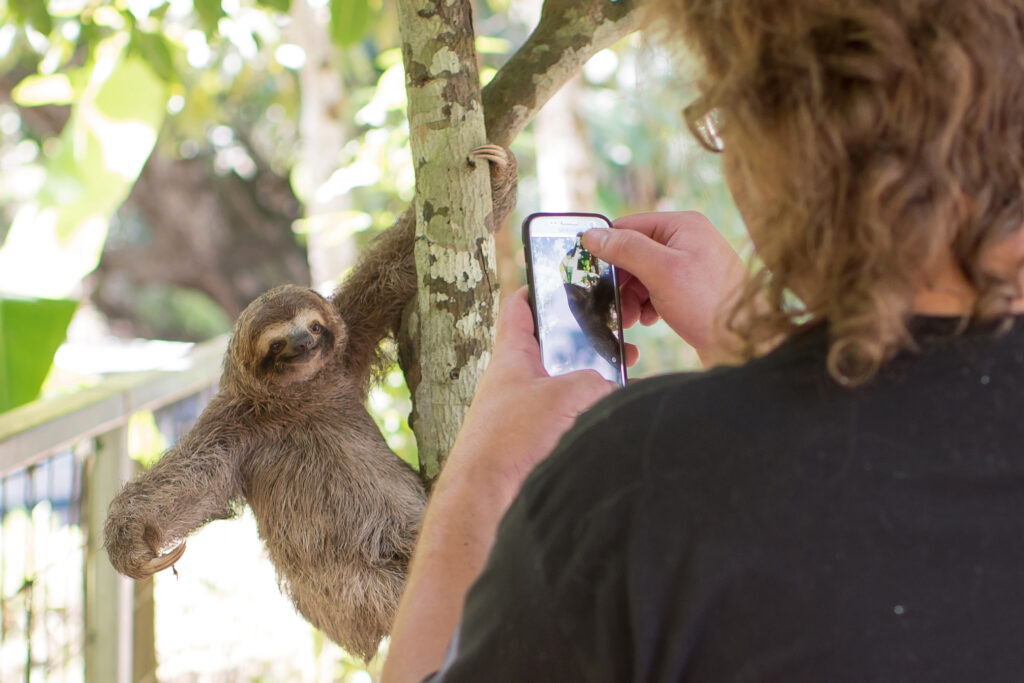
Tragic Sloth Deaths Expose Florida’s Unregulated Wildlife Attraction
A heartbreaking incident at a Florida roadside zoo has cast a harsh spotlight on the state’s largely unregulated wildlife attraction industry. The recent, preventable deaths of multiple sloths at a facility known as “Sloth World” have ignited public outrage and urgent calls for legislative reform. This tragedy underscores a dangerous gap in Florida law, where exotic animals can be displayed to the public with minimal oversight, putting both animal welfare and public safety at risk.
A Sanctuary or a Sideshow? The Story of Sloth World
Located in Panama City Beach, Sloth World presented itself as an educational sanctuary where visitors could interact with and hold sloths for a fee. However, state inspections and whistleblower accounts painted a starkly different picture. The facility operated under a critical legal loophole: because sloths are not native to Florida and are not classified as inherently dangerous, the business fell outside the jurisdiction of the Florida Fish and Wildlife Conservation Commission (FWC).
This meant that, unlike facilities holding big cats, bears, or great apes, Sloth World was not required to obtain a state exhibition license. This license mandates regular, unannounced inspections to ensure proper animal care, enclosures, and safety protocols. Without it, the operation existed in a regulatory gray area, accountable only to federal standards under the Animal Welfare Act—a law widely criticized by animal welfare advocates as being minimally enforced by an understaffed USDA.
A Pattern of Neglect Leads to Tragedy
The consequences of this lack of oversight became devastatingly clear. In early 2024, three sloths died within a short period. The causes of death were directly linked to inadequate care and facility conditions:
- Inadequate Temperature Control: Sloths are tropical animals that require consistently warm, humid environments. Inspections revealed the facility lacked proper heating, exposing the animals to potentially fatal cold stress, especially during cooler Florida nights.
- Poor Diet and Nutrition: Reports indicated the sloths were not receiving a species-appropriate diet, leading to malnutrition and related health complications.
- Stress from Constant Handling: The core business model of constant public handling and photo opportunities is inherently stressful for these slow-moving, solitary creatures. Chronic stress weakens the immune system, making animals more susceptible to illness.
- Lack of Veterinary Care: There were significant delays in seeking necessary veterinary treatment for the ailing animals, allowing treatable conditions to become fatal.
These deaths were not isolated incidents but the culmination of a documented pattern. Prior USDA inspections had cited the facility for issues including dirty enclosures, stagnant water, and structural hazards. Yet, the penalties were often minor fines, failing to compel meaningful change or prevent the eventual tragedy.
The Florida Loophole: A Statewide Problem
The crisis at Sloth World is symptomatic of a much larger issue across Florida. The state is a hub for unlicensed wildlife exhibits, from roadside zoos and reptile shows to traveling photo-op operations. The legal framework, established decades ago, focuses regulatory energy on animals deemed “dangerous,” leaving a vast array of species—from sloths and lemurs to kangaroos and small primates—vulnerable.
This creates a two-tiered system: licensed facilities face regular inspections and must meet specific standards for cage size, sanitation, nutrition, and veterinary care. Unlicensed operations, like Sloth World, operate with little to no state-level accountability, relying on sporadic federal inspections and complaint-driven investigations that often act too late.
Public Safety at Risk
The risks extend beyond animal welfare. Unregulated facilities pose a genuine threat to public health and safety. Without mandated protocols:
- Zoonotic disease transmission between animals and the public is a heightened risk.
- Injuries from animal bites or scratches are more likely in poorly managed interaction settings.
- In the event of a natural disaster like a hurricane, unlicensed facilities may have no mandated emergency plans, risking animal escapes and endangering communities.
A Push for Change: “The Sloth Bill” and Growing Momentum
In direct response to the Sloth World deaths, Florida lawmakers introduced legislation dubbed “The Sloth Bill” (HB 1519). The proposed law seeks to close the exhibition loophole by expanding the FWC’s authority to license and inspect facilities that publicly display any wild animal, not just those classified as dangerous.
The bill would mandate:
- Annual, unannounced inspections for all exhibitors.
- Minimum standards of care for all species held.
- Proper record-keeping and veterinary care plans.
- Emergency preparedness plans for disasters.
While the bill did not pass in the 2024 legislative session, it has ignited a crucial conversation. Animal welfare organizations, responsible sanctuary operators, and concerned citizens are building a coalition to advocate for its revival. They argue that all animals used for public display deserve basic protections and that the public has a right to know the attractions they support are humane and safe.
What Visitors Can Do: Ethical Tourism in the Wildlife Attraction Industry
As the legislative battle continues, consumer choice remains a powerful tool. Before visiting any wildlife attraction, the public can take steps to ensure their dollars support ethical operations:
Ask Critical Questions: Is the facility licensed by the FWC? Can they provide their USDA inspection reports? What is their source for animals? (Avoid places that breed or buy animals purely for display).
Observe the Animals and Environment: Are enclosures clean, spacious, and enriched? Do the animals have places to hide and retreat from public view? Do they appear healthy and alert?
Beware of “Hands-On” Interactions: Be highly skeptical of operations whose primary draw is direct contact with wild animals. This is often a sign of profit prioritization over animal well-being.
Support True Sanctuaries: Look for accredited sanctuaries (by the Global Federation of Animal Sanctuaries, for example) that rescue animals, do not breed or buy them, and prioritize non-invasive observation over handling.
A Turning Point for Florida’s Wildlife
The tragic, unnecessary deaths at Sloth World are a sobering wake-up call. They reveal a flawed system that failed these gentle creatures. Florida, a state renowned for its rich biodiversity and eco-tourism, now faces a moral and practical imperative to modernize its wildlife exhibition laws.
The momentum for change is building. By strengthening regulations, holding all exhibitors to a basic standard of care, and empowering consumers to make ethical choices, Florida can prevent future tragedies. The goal is a future where wildlife attractions educate and inspire through respect, not exploitation, ensuring that no animal suffers in the shadows of a regulatory loophole. The legacy of the Sloth World victims must be a safer, more humane standard for all creatures in the Sunshine State.

