
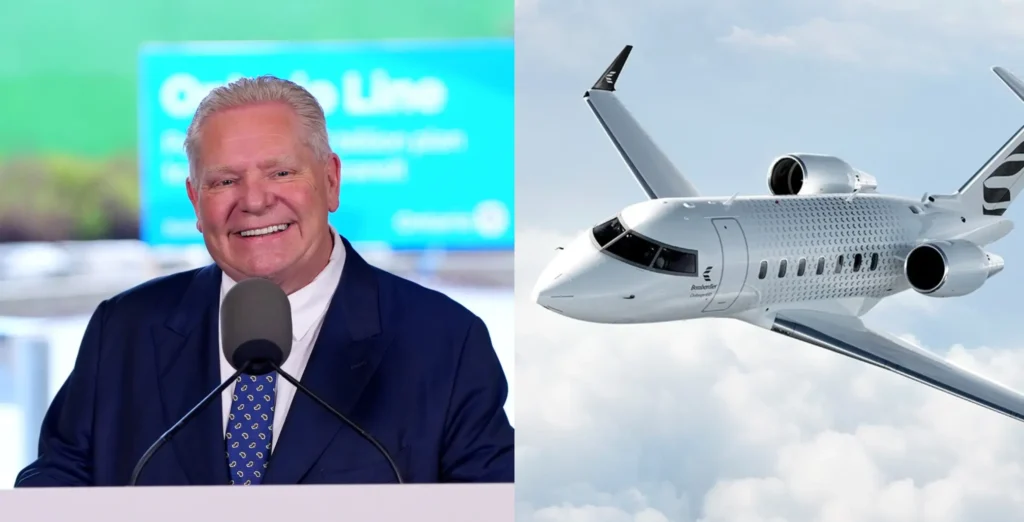
Doug Ford Cancels Government Plane Purchase, Opts to Sell
In a striking pivot that underscores the power of public opinion, Ontario Premier Doug Ford has officially grounded a controversial plan to acquire a new government jet. Instead, his administration is now taking steps to sell the province’s existing aircraft entirely. This reversal, moving from an upgrade to a complete exit from government-owned air travel, marks a significant moment where fiscal messaging and political perception have forcefully redirected government policy.
The decision is not merely a logistical change; it’s a loud response to a swelling chorus of criticism. It raises immediate questions about the true cost of executive travel, the optics of spending during an affordability crisis, and how governments balance operational needs with public trust.
The Aborted Mission: Ontario’s Plan for a New Jet
For months, the Progressive Conservative government had been quietly making the case for a new, larger aircraft. The rationale was framed around economic development and efficiency. Officials argued the current plane, a aging Hawker 800, was too small and limiting for the kind of trade delegations needed to attract investment and jobs to Ontario.
The vision was for a aircraft that could comfortably carry not just the Premier or a minister, but also a contingent of business leaders, advisors, and security personnel on international missions. The government framed it as a necessary tool in a competitive global economy—a mobile boardroom for the province.
Immediate Turbulence: The Public and Political Backlash
However, when reports surfaced detailing the potential multi-million dollar price tag—estimated to be in the range of $30 million—the plan immediately met fierce headwinds. The opposition pounced, labelling the initiative as profoundly out of touch.
- The Affordability Context: Critics highlighted that the proposal emerged while countless Ontarians struggled with the cost of living, soaring housing prices, and a healthcare system under immense strain. The juxtaposition was politically potent.
- A Symbol of Excess: The new jet quickly transformed from a proposed tool into a symbol of government extravagance. It was portrayed not as an investment, but as a luxury perk.
- Questioning the Business Case: Analysts and opposition MPPs scrutinized the existing plane’s usage data, challenging how often it was truly used for full business delegations versus routine government travel.
The narrative became politically toxic, dominating question period and generating a wave of negative media coverage. The government found itself constantly on the defensive, a position Premier Ford has historically sought to avoid.
“Listening to the People”: Ford’s Sharp Reversal
The Premier’s announcement to cancel the purchase was blunt and framed squarely as a response to this public outcry. He stated his government was heeding the concerns of taxpayers, declaring the purchase no longer made sense.
“At the end of the day, I have to listen to the people,” Ford said, effectively framing the reversal as an act of accountability. He directly adopted the critics’ language, calling the planned expenditure a potential “waste of taxpayers’ dollars,” a clear effort to align himself with the fiscal concerns of everyday Ontarians.
This language is a central part of the political reset. By cancelling the plan, the government isn’t just changing a procurement policy; it’s attempting to reclaim its identity as a prudent manager of public finances.
The New Flight Plan: Sell and Charter
With the purchase cancelled, the province has charted a new, two-part course for official air travel:
1. Selling the Provincial Asset
The first step is to divest entirely. The government has announced it will sell the existing Hawker 800 aircraft. This move is symbolically crucial—it doesn’t just pause an upgrade; it exits the business of owning a dedicated executive plane. The proceeds from the sale will be returned to the provincial treasury, a point the government will likely emphasize to underscore the fiscal benefits of the decision.
2. The Charter Model for Future Travel
Going forward, when air travel is deemed necessary for official government business, the province will charter aircraft. This “pay-as-you-fly” model is presented as a more flexible and cost-effective solution.
- No Fixed Costs: The government avoids the significant fixed costs of aircraft ownership: maintenance, hangar fees, insurance, and a dedicated flight crew.
- Scalability: Officials can rent an aircraft precisely sized for each mission, from a small jet for a quick domestic trip to a larger airliner for an international trade delegation.
- Market Rates: Proponents argue that chartering introduces market competition, theoretically leading to better rates for taxpayers.
Beyond the Budget: The Political Calculus of the Decision
While the financial implications of selling versus buying will be studied, the immediate political calculation is unmistakable. This reversal is a strategic maneuver to control a damaging narrative.
- Neutralizing a Potent Attack Line: The plane had become a gift to opposition parties. By selling it, the government removes a physical symbol they could rally against.
- Rebuilding the Prudent Manager Brand: Premier Ford’s brand has long been tied to a message of cutting waste and respecting taxpayer dollars. This controversy threatened that image. The swift cancellation is an attempt to repair it.
- Refocusing the Agenda: The government spent significant time and political capital defending the plane. Now, it aims to shift media and public attention back to its core policy priorities.
Public Pressure and Policy: A Case Study in Accountability
This episode serves as a compelling case study in how democratic pressure can influence government action. The timeline was rapid: from proposal, to public exposure, to intense criticism, to policy reversal. It demonstrates that sustained, focused public and political scrutiny can alter a government’s trajectory, even on a seemingly finalized plan.
It also prompts a broader conversation about the tools governments need to function effectively in a modern economy. Where is the line between a legitimate operational expense and an unnecessary luxury? How should the public cost of facilitating economic missions be weighed against potential returns? The Ford government has answered unequivocally in this instance, siding with the immediate optics of austerity over the argued long-term benefits of ownership.
What This Means for Ontario
The tangible outcomes of this decision are now clear:
- The New Jet Purchase: The $30-million plan is definitively cancelled and off the table.
- Provincial Asset For Sale: Ontario’s fleet, modest as it was, is being dissolved. The Hawker 800 will be sold to the highest bidder.
- A New Travel Protocol: Ministers and the Premier will now travel via chartered flights, a system that will face its own scrutiny over costs and transparency in the years to come.
- A Precedent Set: The bar for any future government considering a similar purchase has been raised considerably, with the public reaction to this case serving as a stark warning.
In the end, the government’s journey from buying to selling its plane is a flight path dictated by political weather. Faced with a storm of bad headlines and public disapproval, Premier Ford chose to alter course dramatically. The aircraft, once a symbol of desired prestige, is now poised to become a symbol of political retreat and recalibrated priorities. As the province moves to a charter model, the true cost—both financial and political—of this new approach will be closely watched. For now, the government has successfully landed a contentious issue, hoping the turbulence it caused is finally behind them.

