
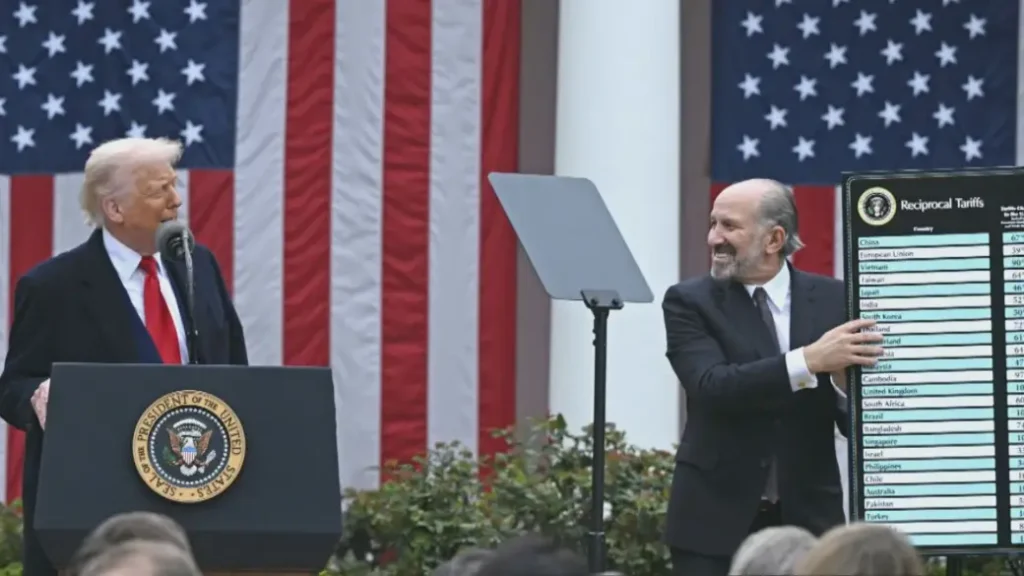
Canadian Exporters Win Big as Liberation Day Tariffs Overturned
In a stunning legal victory that has reshaped the landscape of North American trade, Canadian exporters are poised to reclaim millions of dollars after a landmark court ruling struck down the contentious “Liberation Day” tariffs. This decision marks the end of a protracted and costly trade barrier, offering not just financial relief but a powerful reinforcement of fair trade principles. For businesses that have been grappling with inflated costs and unpredictable market access, this ruling is a game-changer.
The Liberation Day Tariffs: A Costly Trade Barrier
To understand the magnitude of this victory, we must first look at the origins of the tariffs themselves. Dubbed the “Liberation Day” measures, these duties were enacted under a veil of economic patriotism, ostensibly to protect domestic industries on a day of national significance. In practice, however, they functioned as a sudden and severe surcharge on a wide range of Canadian exports, catching many businesses off guard.
For years, affected companies operated under a cloud of financial strain. The tariffs, often applied with broad strokes, squeezed already tight margins, making Canadian goods less competitive in a crucial market. Small and medium-sized enterprises (SMEs), in particular, felt the pinch, with some facing existential threats as their core export channels became economically unviable. The cumulative financial burden ran into the hundreds of millions, stifling growth and innovation across sectors from manufacturing to agri-foods.
The Legal Challenge: How the Tariffs Were Overturned
The path to overturning these tariffs was paved by a coalition of determined trade associations and individual exporters who mounted a rigorous legal challenge. Their argument centered on the unlawful application and overreach of the tariff authority, contending that the “Liberation Day” designation was a pretext for protectionism that violated established trade agreements and domestic administrative law.
After a meticulous review, the court agreed. The ruling was unequivocal: the implementation of the tariffs was deemed arbitrary, disproportionate, and without proper legal foundation. The judge found that the economic harm inflicted on Canadian exporters far outweighed any purported national benefit, and that due process had been sidestepped. This judicial rebuke not only invalidates the tariffs moving forward but crucially, opens the door for retroactive relief.
Immediate Implications of the Ruling
The court’s decision triggers several immediate and positive outcomes for the Canadian export community:
- Formal Nullification: The “Liberation Day” tariffs are immediately void. Exporters can now ship goods without this additional cost, restoring pre-tariff competitiveness overnight.
- Mandatory Refunds: The government authority that collected the tariffs is now legally obligated to establish a process to refund all duties paid since their inception. This is not a discretionary measure but a required corrective action.
- Precedent Setting: The ruling establishes a powerful legal precedent, making it more difficult for similar arbitrary trade measures to be implemented in the future without robust justification.
Securing Your Refund: A Step-by-Step Guide for Exporters
While the victory is clear, the onus is on individual businesses to actively claim what is owed to them. The refund process will be administrative and require thorough documentation. Here is a strategic approach to ensure you recover your funds:
Step 1: Conduct a Comprehensive Internal Audit
Begin by gathering all relevant records. This includes:
- Commercial invoices and bills of lading for all shipments during the tariff period.
- Customs declaration forms (e.g., B3-3 Canada Customs Coding Forms) clearly showing the tariff classification and duties paid.
- Payment records and receipts from the CBSA or your customs broker confirming the exact amount of “Liberation Day” duties remitted.
Pro Tip: Create a dedicated spreadsheet to track each transaction, including date, shipment value, duty rate, and amount paid. This will be invaluable when filing your claim.
Step 2: Quantify Your Total Claim
Using your compiled data, calculate the total sum of duties paid specifically under the contested tariff item. Accuracy is paramount, as discrepancies can delay processing. If you used a customs broker, contact them immediately. They should have detailed records and can often provide a comprehensive report, saving you significant time and effort.
Step 3: Engage Expert Assistance and File Your Claim
Do not navigate this process alone. The filing procedure will involve specific forms and legal language.
- Consult a Trade Lawyer or Licensed Customs Broker: Professionals specializing in trade law and customs compliance are essential. They will ensure your claim is structured correctly, adheres to all deadlines, and maximizes your recovery. Many work on a contingency basis for large claims.
- Monitor Official Channels: The responsible government agency will publish official guidelines for the refund application process. Subscribe to trade law bulletins and updates from organizations like the Canadian Chamber of Commerce or Export Development Canada (EDC) to stay informed.
- File Promptly and Precisely: Once the claim process is announced, act quickly. Prepare your package with all supporting documentation to avoid back-and-forth requests for information that could slow down your refund.
The Ripple Effect: Broader Impacts on Trade Policy and Business Confidence
The significance of this ruling extends far beyond the balance sheets of individual companies. It represents a watershed moment for trade governance with three key long-term impacts:
1. Reinforcing the Rule of Law in Trade
This decision powerfully asserts that trade policy must operate within a clear legal framework. It serves as a check on executive or administrative overreach, ensuring that any future trade measures must withstand rigorous legal scrutiny. This creates a more stable and predictable environment for businesses that invest in international supply chains.
2. Empowering Businesses to Challenge Unfair Practices
The successful legal challenge will embolden other industries facing unjust trade barriers. It demonstrates that a well-organized, evidence-based legal strategy can succeed against seemingly imposing government actions. This empowerment is crucial for maintaining a level playing field in an era of increasing trade tensions.
3. Strengthening Canada’s Export Competitiveness
The reclaimed capital from tariff refunds is not just a rebate; it’s a reinvestment into the Canadian economy. Businesses can use these funds to:
- Upgrade equipment and adopt new technologies.
- Invest in research and development for new products.
- Expand their workforce or pursue new market opportunities.
- Improve their overall resilience and competitiveness on the global stage.
Conclusion: A New Chapter for Canadian Exporters
The overturning of the Liberation Day tariffs is a decisive triumph for fairness, due process, and economic common sense. It rectifies a past injustice and fortifies the system against similar ones in the future. For the Canadian exporter, the message is clear: vigilance and legal recourse are powerful tools.
The immediate priority for any affected business is to mobilize and secure the refund that is rightfully owed. The financial windfall can serve as a catalyst for growth and innovation. On a macro level, this ruling reaffirms Canada’s commitment to rules-based trade, providing all exporters with the confidence to plan, invest, and compete globally with the assurance that the law is on their side. The “Liberation Day” may now be remembered not for the imposition of barriers, but for their decisive removal and the resilience of the Canadian trade community.

