
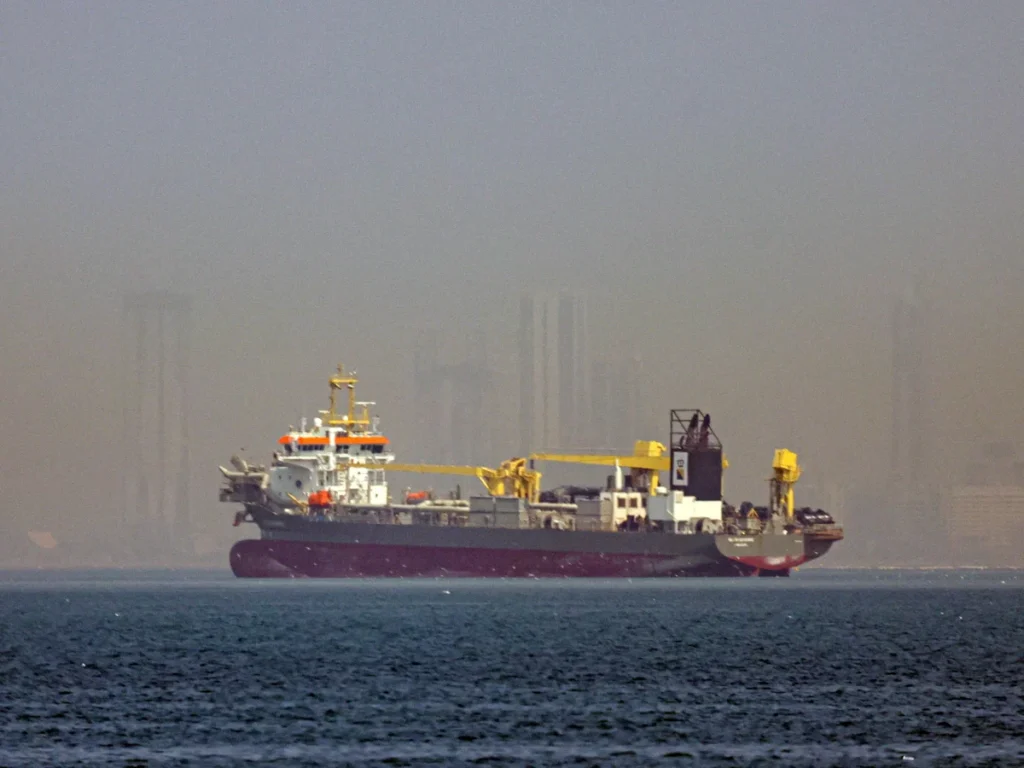
How Iran Tensions Could Spike Your Gas Prices This Summer
As summer travel season approaches, drivers are already feeling the pinch at the pump. But beyond the typical seasonal demand surge, a more volatile and dangerous factor looms on the horizon: escalating tensions with Iran. A potential flashpoint in the Middle East threatens to disrupt the global flow of oil, sending shockwaves through the market and directly impacting what you pay for a gallon of gas. Understanding the delicate geopolitical chessboard, particularly around the Strait of Hormuz, is key to forecasting your summer fuel budget.
The World’s Most Critical Oil Chokepoint
To grasp why Iran holds such sway over global oil prices, you must first understand the geography of energy. The Strait of Hormuz, a narrow waterway between Iran and Oman, is not just another shipping lane—it is the artery of global oil supply.
Why the Strait of Hormuz Matters to You
Every day, approximately 20.5 million barrels of oil pass through this 21-mile-wide choke point. That represents about one-fifth of the world’s total oil consumption and nearly one-third of all seaborne traded oil. The countries that rely on this route read like a who’s who of global energy producers:
- Saudi Arabia
- Iraq
- The United Arab Emirates (UAE)
- Kuwait
- Qatar
Any significant disruption here doesn’t just affect a single country; it instantly creates a global supply crunch. Iran, which borders the strait and has the military capability to harass or block shipping, understands this leverage all too well. Threats to close the strait have been a recurring tool in its geopolitical strategy, causing immediate jitters and price spikes in oil markets.
The Escalating Cycle of Tensions and Retaliation
The current climate is particularly fraught. The shadow war between Iran and Israel has moved from covert operations to direct, overt military strikes. An Israeli attack on an Iranian diplomatic compound in Damascus, followed by an unprecedented direct drone and missile attack by Iran on Israel, has dramatically raised the stakes. While the immediate retaliation cycle may have paused, the underlying conflict is smoldering.
Iran’s Asymmetric Warfare Playbook
Experts warn that Iran is unlikely to risk a full-scale conventional war. Instead, its most probable and disruptive course of action is asymmetric warfare—using proxies and its own forces to target shipping and energy infrastructure without claiming direct responsibility. We’ve seen this movie before:
- Seizure of Commercial Vessels: Iran’s Revolutionary Guard has a history of boarding and diverting ships.
- Missile and Drone Attacks: Targeting tankers or energy facilities in neighboring countries.
- Proxy Group Activity: Houthi attacks in the Red Sea, while a separate corridor, demonstrate how regional conflicts can disrupt global trade and drive up insurance and shipping costs globally.
Each minor incident in the Strait of Hormuz forces shipping companies to reconsider routes, pay massive war risk insurance premiums, and potentially delay shipments. These added costs and fears of scarcity are quickly factored into the price of crude oil, which is the primary determinant of your gasoline price.
From Barrel to Pump: How Global Oil Prices Hit Your Wallet
The connection between a tanker in the Persian Gulf and your local gas station is direct. Gasoline prices are fundamentally tied to the global benchmark price of Brent Crude Oil. When Brent spikes, pump prices follow, usually within a week or two.
A major disruption in the Strait of Hormuz could easily send oil prices soaring by $10, $20, or even more per barrel. For American drivers, a sustained $10 increase per barrel typically translates to an added 25 to 30 cents per gallon at the pump. In a worst-case scenario of a prolonged closure or major conflict, the increase could be measured in dollars per gallon, not cents.
The Summer Squeeze: High Demand Meets Fragile Supply
This geopolitical risk arrives at the worst possible time. The U.S. Energy Information Administration (EIA) consistently forecasts higher gasoline demand during the summer months as families take road trips and travel increases. Refineries also switch to a more expensive summer blend of gasoline designed to reduce smog.
- Seasonal Demand Peak: More drivers on the road increase consumption.
- Refinery Constraints: Many U.S. refineries are running near capacity, leaving little slack for a supply shock.
- Low Inventory Buffer: Global oil inventories are not as high as they have been in past years, reducing the market’s ability to cushion a sudden supply loss.
This combination of high seasonal demand and a fragile supply chain means the market is exceptionally vulnerable to any news of conflict or disruption. Even the threat of an incident can trigger speculative buying, driving prices higher before a single ship is delayed.
What Can Be Done? Mitigation and Market Realities
In the face of this risk, what are the countermeasures? The United States and its allies maintain a significant military presence in the region, specifically to ensure freedom of navigation. The U.S. Fifth Fleet is tasked with responding to threats. However, preventing every swarm of drones or speedboat harassment is a monumental challenge.
The Strategic Petroleum Reserve (SPR) Wild Card
One tool available to the U.S. government is the Strategic Petroleum Reserve (SPR). A significant release of oil from these underground salt caverns could temporarily flood the market with supply, offsetting a disruption and calming prices. However, the SPR has been drawn down to its lowest levels in decades following releases aimed at combating inflation, limiting its potency as a shock absorber for a major crisis.
Furthermore, alternative shipping routes are limited. Pipelines across the Arabian Peninsula can bypass the Strait, but their capacity is only a fraction of what moves by tanker. Rerouting tankers around the southern tip of Africa adds weeks to delivery times and millions in cost, which again, gets passed on to consumers.
Navigating an Uncertain Summer at the Pump
For the average driver, the situation underscores that gasoline prices are not set in a vacuum. They are deeply intertwined with global events happening thousands of miles away. While hoping for diplomatic de-escalation is the best-case scenario, preparing for volatility is the prudent one.
Monitoring the news from the Middle East this summer will be just as important as checking your local gas price app. A single hostile act in the narrow waters of the Strait of Hormuz has the power to reverberate on Main Streets across America, turning summer travel plans into a significant budgetary burden. The message is clear: the road to affordable summer gas runs precariously through the world’s most volatile choke point.

