
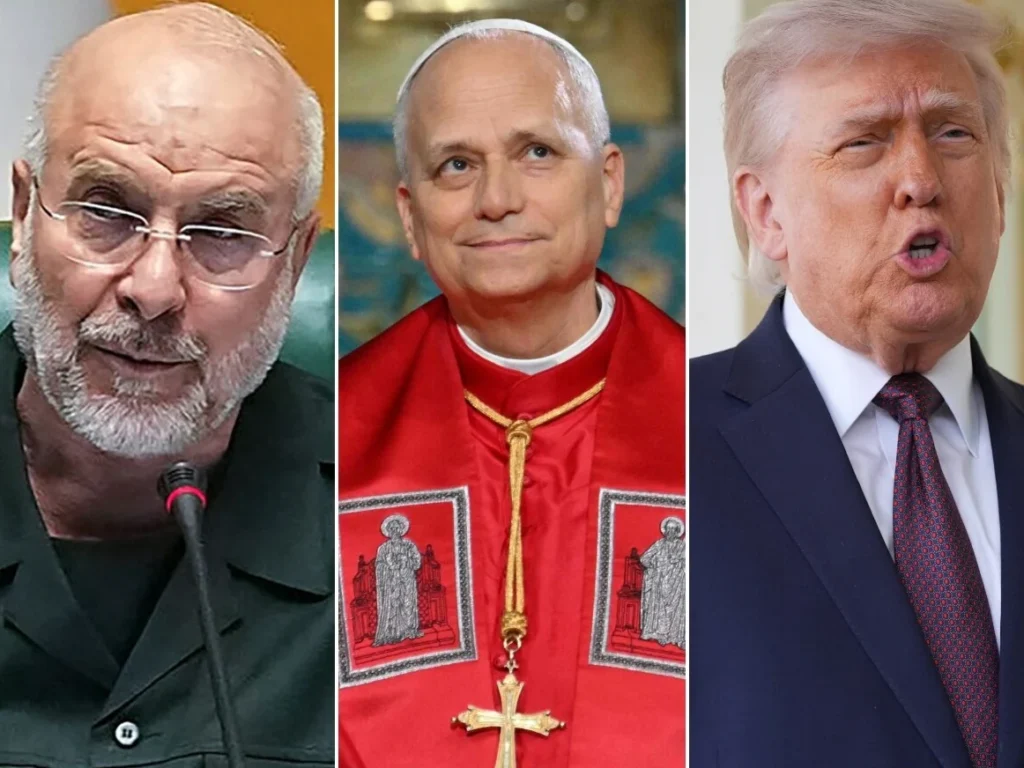
Pope Declines Debate with Trump Over Iran Policy Stance
In a world where political and religious discourse often collides, a recent statement from the Vatican has drawn a clear line in the sand. Pope Leo XIV has publicly declined to engage in a war of words with former U.S. President Donald Trump regarding Iran, emphasizing a diplomatic path over public debate. This move underscores the Vatican’s unique role on the global stage and highlights the deepening complexities of international relations in the Middle East.
A Pontiff’s Principled Stance: Diplomacy Over Debate
The controversy ignited when former President Trump, known for his direct and often confrontational style, publicly challenged the Pope’s approach to Iran. Trump’s criticism centered on what he perceives as the Vatican’s overly conciliatory stance toward the Iranian regime. In response, Pope Leo XIV offered a firm but serene rebuttal, stating he is “not interested in a debate” with the former president.
This refusal is not a sign of weakness but a deliberate strategic choice. The Vatican, under Pope Leo, has consistently positioned itself as a neutral mediator and a voice for peace, often working behind the scenes in delicate diplomatic channels. Engaging in a public, heated exchange with a figure as polarizing as Trump would, from the Holy See’s perspective, undermine that very role. It would risk politicizing the papal office in a way that could close doors to dialogue with all parties involved.
The Core of the Disagreement: Diverging Paths on Iran
At the heart of this silent confrontation are fundamentally different philosophies on international engagement.
* The Trump Doctrine: This approach, characterized by “maximum pressure,” favors stringent economic sanctions and a hardline stance to curb Iran’s regional influence and nuclear ambitions. It is a policy rooted in leverage and public confrontation.
* The Vatican’s Approach: The Holy See advocates for persistent dialogue, humanitarian consideration, and bridge-building. Its concern extends beyond geopolitics to the welfare of Christian minorities and all citizens within Iran, promoting incremental trust and peaceful resolution.
For the Pope, the primary tools are persuasion and moral suasion, not economic coercion or televised disputes. This clash represents the age-old tension between realpolitik and faith-based diplomacy.
Why the Pope’s Silence is a Strategic Statement
Pope Leo XIV’s decision to avoid a direct debate is laden with meaning and serves multiple purposes for the Vatican’s long-term goals.
Preserving Moral Authority: By refusing to be drawn into a partisan political fray, the Pope maintains the perception of the papacy as a moral compass above the fray of everyday politics. This authority is crucial for when the Vatican chooses to speak out on other global issues, from poverty to climate change.
Keeping Channels Open: Publicly debating a Western leader like Trump could irreparably damage the Vatican’s carefully nurtured relationships within Iran. To have any hope of influencing events or advocating for persecuted groups, the Holy See must maintain a line of communication with Tehran’s leadership.
Focusing on Substance: The Pope’s stance shifts the focus from personality-driven conflict to the substantive issues at hand: regional stability, nuclear non-proliferation, and human dignity. It signals that the Vatican’s work continues regardless of the political noise emanating from other capitals.
The Broader Implications for Global Diplomacy
This episode is a microcosm of a larger struggle in 21st-century statecraft. In an era dominated by social media spats and 24-hour news cycles, the Vatican is championing a quieter, older form of diplomacy. It raises critical questions:
* In a world addicted to loud rhetoric, is there still a place for quiet dialogue?
* Can moral persuasion effect change where sanctions and threats have stalled?
* How do institutions balance principled stands with the pragmatic need to engage with all actors?
The Pope’s recalibration of the Vatican’s role—from a potential debater to a steadfast diplomat—suggests a belief that long-term peace is built in confidential meetings and through consistent, principled engagement, not on television screens or Twitter feeds.
Reactions and the Road Ahead
Reactions to the Pope’s position have been predictably mixed. Supporters applaud his commitment to dignified diplomacy and his refusal to lower the office of the papacy to a political boxing ring. Critics, especially those aligned with hawkish foreign policy views, see it as a missed opportunity to publicly challenge the Iranian regime and a sign of weak resolve.
Nevertheless, the path forward for the Vatican seems set. Pope Leo XIV will likely continue to:
* Advocate for direct dialogue between Iran and Western powers.
* Use his pulpit to call for peace and the protection of vulnerable communities in the region.
* Work through diplomatic nuncios and trusted intermediaries to convey messages and seek solutions.
The “war of words” may have been offered, but by choosing not to enlist, Pope Leo XIV has made a powerful statement about how he intends to wage peace. The ultimate effectiveness of this strategy remains to be seen, but it firmly reasserts the Vatican’s independent voice in a polarized world. In declining a debate with Trump, the Pope did not sidestep the issue of Iran; he simply chose his own battlefield and his own weapons: those of patient diplomacy and unwavering moral focus.

