Gas Price Shock to Drive Inflation Spike in March Report
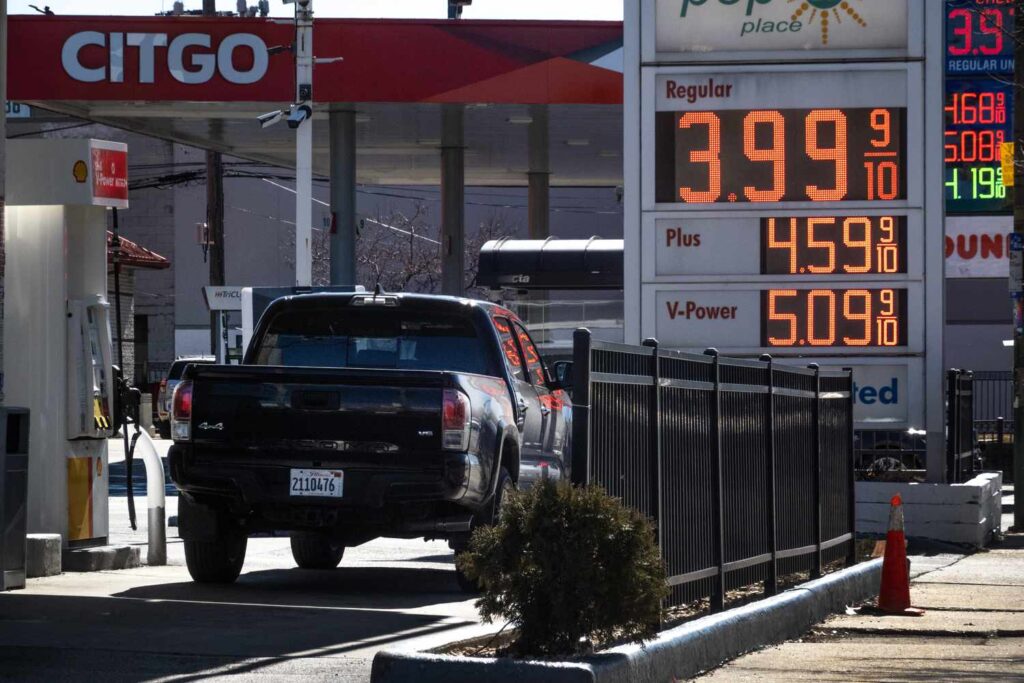
Canadians felt a familiar squeeze at the pumps in March, and economists are warning that this pain will be directly reflected in the upcoming inflation data. A significant surge in gasoline prices is poised to be the primary driver behind an anticipated jump in the Consumer Price Index (CPI), complicating the Bank of Canada’s path to interest rate cuts and straining household budgets already stretched thin.
After months of gradual cooling, the inflation narrative hit a speed bump last month. The dramatic rise in fuel costs serves as a stark reminder that the journey back to the 2% target can be a bumpy one, fraught with external shocks that defy domestic monetary policy.
The March Fuel Surge: A Perfect Storm at the Pumps
Several converging factors created the conditions for the March gas price spike. Analysts point to a combination of seasonal shifts, geopolitical tensions, and refinery disruptions.
Seasonal Transition and Geopolitical Ripples: The shift to more expensive summer-grade gasoline, which is required to reduce smog in warmer months, is a typical annual event. However, this year’s transition was amplified by rising global oil prices. Ongoing conflicts and production cuts by major oil-exporting nations tightened supply, pushing crude prices higher.
Refinery Challenges and Supply Pinches: Adding fuel to the fire, operational issues at some key refineries in the United States, a major supplier to Canada, constrained the supply of gasoline. This localized squeeze had an outsized impact on prices, particularly in regions like Southern Ontario and the West Coast, where drivers faced some of the steepest increases.
What This Means for the Headline Inflation Number
Gasoline is a heavily weighted and highly volatile component of the CPI basket. When prices at the pump rise sharply, they exert significant upward pressure on the overall inflation rate. Economists from major banks project that March’s year-over-year inflation rate could climb to approximately 3.2%, a noticeable increase from February’s 2.8%.
This expected rebound highlights a critical challenge: distinguishing between temporary price shocks and persistent, underlying inflation. While the Bank of Canada focuses on “core” inflation measures that strip out volatile items like food and energy, a sustained rise in gasoline prices can still influence consumer expectations and spending behavior.
Beyond the Pump: The Ripple Effects of High Fuel Costs
The impact of soaring gasoline prices extends far beyond the simple act of filling a tank. The increased cost of energy acts as a tax on the entire economy, creating secondary inflationary pressures that can be more stubborn.
- Transportation and Shipping: Higher diesel costs directly increase the expense of moving goods by truck, rail, or ship. These added costs are often passed down the supply chain, leading to higher prices for everything from groceries to retail products.
- Food Production and Agriculture: Modern farming is energy-intensive. From fueling machinery to manufacturing fertilizer, increased energy costs contribute to higher production costs for farmers, which eventually translate to higher prices at the supermarket.
- Consumer Sentiment and Spending: When a larger portion of a household’s budget is diverted to essential transportation, discretionary spending on dining out, entertainment, and other services takes a hit. This can slow economic growth even as prices remain elevated.
The Bank of Canada’s Dilemma: Patience vs. Pressure
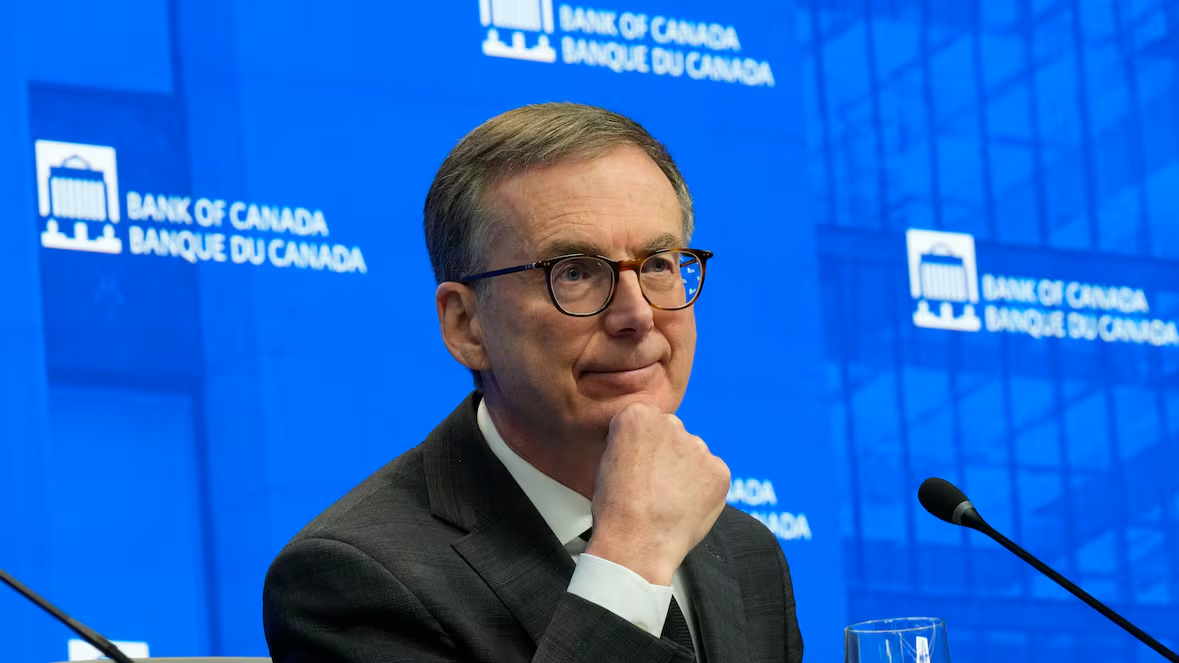
This gas-driven inflation spike arrives at a delicate moment for monetary policy. The Bank of Canada has been holding its key interest rate at a 22-year high, waiting for clear and sustained evidence that inflation is defeated. Governor Tiff Macklem has emphasized the need for “continued downward momentum” in core inflation before considering rate cuts.
The March report presents a complication. While policymakers are likely to look through a one-off energy shock, their communication will be crucial. They must reassure the public that they remain committed to their 2% target without overreacting to temporary volatility. However, if high gasoline prices persist and bleed into broader inflation expectations, it could force the Bank to maintain a restrictive stance for longer, delaying much-anticipated relief for borrowers.
Looking Ahead: Is This a Blip or a New Trend?
The million-dollar question for economists and consumers alike is whether March’s surge is an isolated event or the start of a more troubling trend. The answer depends on several unpredictable factors.
- Global Oil Market Stability: Further escalation in geopolitical conflicts or additional supply cuts from OPEC+ could keep oil prices elevated through the spring and summer.
- Refinery Capacity: The speed at which refinery outages are resolved will be key to easing regional supply pressures in North America.
- Seasonal Demand: The summer driving season typically brings stronger demand, which could support higher prices unless offset by increased supply.
Most analysts currently view this as a temporary setback rather than a reversal of the disinflation trend. Underlying price pressures for many goods and services are still gradually easing. Wage growth, while solid, is slowing, and consumer spending is subdued.
Navigating the Cost Crunch: Tips for Consumers
While macroeconomic forces are beyond individual control, there are strategies households can employ to mitigate the impact of high fuel and associated costs.
Smart Fueling and Driving Habits: Use apps to find the cheapest gas stations along your route. Combining errands, reducing idling, and practicing smoother acceleration and braking can improve fuel efficiency significantly.
Budget Reassessment: With more money flowing to essential transportation, it may be necessary to temporarily tighten spending in other flexible categories, such as subscription services or entertainment.
Public Transit and Alternatives: Where feasible, exploring public transit, carpooling, or active transportation like cycling can offer substantial savings and reduce reliance on volatile gas prices.
The Bottom Line: A Bumpy Road to Stability
The anticipated inflation spike in March serves as a powerful reminder that the path to price stability is rarely linear. External shocks, particularly in essential commodities like energy, can create sudden setbacks. For the Bank of Canada, the task is to stay the course, focusing on the broader trend while communicating clearly with a public weary of high costs.
For Canadians, it underscores the importance of financial resilience. Building a buffer for unexpected expense spikes and adapting consumption habits can provide crucial stability in an economic environment that remains uncertain. All eyes will now be on the upcoming CPI report, not just for the headline number, but for the critical details that show whether the inflation fight is still on track or facing a new, formidable obstacle.