
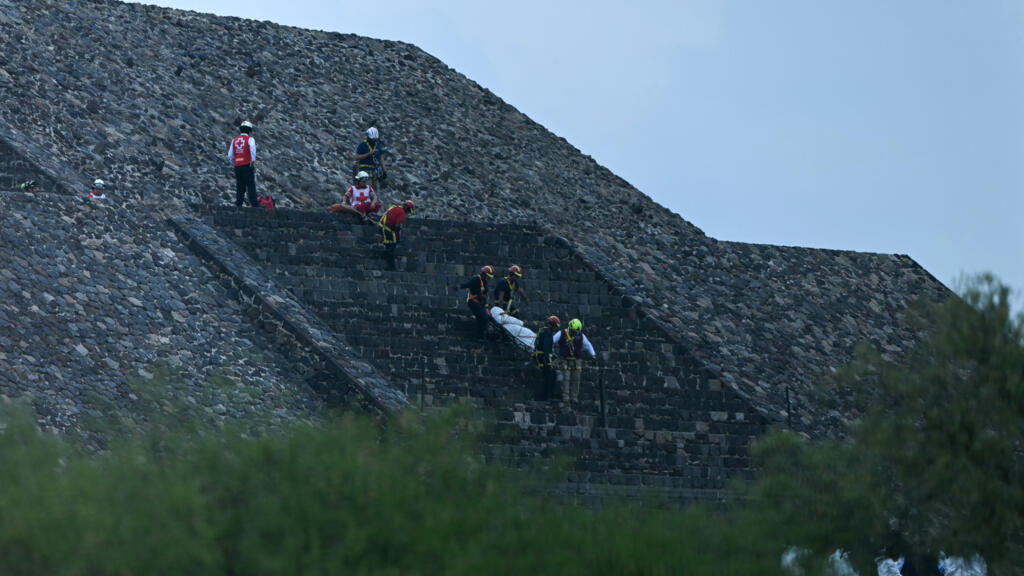
Canadian Tourist Killed in Shooting at Mexico’s Teotihuacan Pyramids
The ancient city of Teotihuacan, a place where visitors seek to walk in the footsteps of gods and marvel at the architectural prowess of a pre-Aztec civilization, was the site of a modern and tragic incident this week. A day of cultural exploration turned to horror when a Canadian tourist was killed in a violent shooting, sending shockwaves through the international travel community and raising urgent questions about security at one of Mexico’s most iconic archaeological treasures.
This event starkly contrasts the serene, mystical atmosphere of the pyramids with the harsh realities of contemporary security challenges, reminding travelers that even the most revered destinations are not immune to violence.
The Incident: A Peaceful Visit Shattered by Violence
According to reports from Mexican authorities, the shooting occurred on a seemingly ordinary day at the renowned archaeological site, located approximately 40 kilometers northeast of Mexico City. The victim, identified as a man from Quebec, was on a tour bus with other visitors when the attack unfolded.
Initial investigations suggest the violence was targeted, not a random act against tourists. The bus, which had private transportation plates from the State of Mexico, was reportedly fired upon by assailants in another vehicle. Tragically, the Canadian national was struck and killed. Mexican security forces have since launched a widespread operation in the area, deploying National Guard units and conducting searches for the suspects. While no arrests have been publicly confirmed, the swift response highlights the seriousness with which authorities are treating an attack in such a high-profile location.
A Site of Global Significance
To understand the profound impact of this event, one must appreciate what Teotihuacan represents. Often called the “City of the Gods,” it was one of the largest and most influential cities in the ancient world at its peak between 100 B.C. and A.D. 650. Its majestic pyramids—the massive Pyramid of the Sun and the slightly smaller Pyramid of the Moon—are connected by the nearly 4-kilometer-long Avenue of the Dead.
For millions of visitors each year, Teotihuacan is more than just ruins; it is a pilgrimage into Mesoamerican history. They climb the steep steps to soak in panoramic views, ponder the advanced urban planning, and feel the weight of centuries in the stone carvings. This violent act has, if only momentarily, pierced the timeless aura of the place.
The Context: Tourism and Security in Mexico
This tragic killing inevitably brings the ongoing discussion about safety for tourists in Mexico back into sharp focus. Mexico remains one of the world’s top tourist destinations, beloved for its stunning beaches, rich culture, exquisite cuisine, and awe-inspiring archaeological sites like Teotihuacan, Chichen Itza, and Palenque. The vast majority of visitors experience their trips without incident.
However, the country has grappled with significant challenges related to organized crime and localized violence for years. While tourist zones are generally heavily protected and considered safe, incidents in transit areas or involving targeted violence can and do occur. This event at Teotihuacan is particularly alarming because it happened at a fenced, government-managed heritage site with its own security presence, not on a remote road or in a known conflict zone.
Official Responses and Travel Advisories
In the wake of the shooting, both Mexican and Canadian officials have been compelled to respond. The Mexican government has been keen to emphasize that this was an isolated, targeted event and that the overall security apparatus for tourists remains strong. They point to the immediate lockdown of the site and the rapid law enforcement mobilization as proof of their commitment to protection.
For its part, Global Affairs Canada has updated its travel advice for Mexico, reiterating existing cautions. The Canadian government advises travelers to:
- Exercise a high degree of caution in Mexico due to high levels of criminal activity and kidnapping.
- Avoid non-essential travel to specific regions where the risk is highest.
- Be aware of their surroundings at all times, especially in less secure areas.
- Follow the instructions of local authorities.
It is crucial to note that the advisory for the areas including Mexico City and the State of Mexico (where Teotihuacan is located) remains at “exercise a high degree of caution,” not the more severe “avoid non-essential travel.”
Practical Advice for Travelers to Mexico
While no travel is without risk, informed travelers can take proactive steps to enhance their safety. The goal is not to inspire fear, but to promote preparedness and situational awareness.
Research and Planning are Your First Defense. Before any trip, thoroughly review the official travel advisories from your government. Book tours and transportation through reputable, well-established companies with verifiable reviews. For sites like Teotihuacan, consider opting for official guided tours that provide secured transportation from central meeting points in Mexico City.
On-the-Ground Safety Strategies
Once in Mexico, adopting certain habits can significantly mitigate risk:
- Use Official Transportation: Rely on official taxi stands, pre-booked private transfers, or ride-sharing apps (where available and safe) rather than hailing cabs on the street. This is often the most vulnerable point for tourists.
- Practice Discretion: Avoid displaying obvious signs of wealth, such as expensive jewelry, watches, or camera equipment. Keep a low profile.
- Stay in Communicated Corridors: Stick to well-traveled, tourist-friendly areas, especially after dark. While exploring is part of the joy, do so with intention.
- Share Your Itinerary: Ensure someone at home knows your daily plans and check in regularly.
- Trust Your Instincts: If a situation or location feels unsafe, leave immediately.
Honoring the Victim and the Legacy of Teotihuacan
Amidst the analysis of security and travel tips, it is vital to remember the human cost of this tragedy—a life lost in a moment of violence, a family shattered, and a community of fellow travelers shaken. The victim was someone who journeyed across a continent to witness human history, only to have his own story end abruptly and senselessly.
For the custodians of Teotihuacan and for Mexico, this incident is a profound blow. They must now navigate the difficult task of assuring the world of the site’s safety while honoring the gravity of what occurred. Increased security measures, both visible and behind the scenes, are likely to be implemented in the coming weeks and months.
The pyramids of Teotihuacan have stood for nearly two millennia. They have witnessed the rise and fall of empires, the changing of beliefs, and the endless march of humanity. This recent, violent episode is a sad and stark chapter in their long history. For the global travel community, the hope is that through enhanced vigilance, cooperation, and a commitment to security, visitors can continue to experience the wonder of this ancient city—safely and peacefully—for generations to come. The story of Teotihuacan must remain one of human achievement, not of human conflict.

