
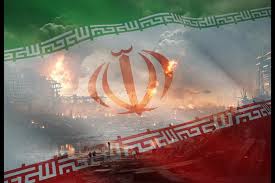
Iran’s New Military Threats Escalate Tensions as Ceasefire Deadline Looms
The strategic waters of the Strait of Hormuz, a vital artery for global oil shipments, have once again become the focal point of a dangerous international standoff. As a critical deadline for ceasefire negotiations in a separate regional conflict approaches, Iran has issued a series of stark new military threats, dramatically raising the stakes and casting a shadow over fragile diplomatic efforts. This convergence of timelines—between geopolitical brinkmanship and peace talks—has created a volatile situation with potential repercussions for global energy markets and regional stability.
A Convergence of Crises: Hormuz and the Houthi Ceasefire
The current escalation is unfolding on two interconnected fronts. The first is the maritime domain, where Iran’s naval forces have reportedly threatened a commercial ship linked to a prominent U.S. billionaire in the Strait of Hormuz. This incident is not isolated; it follows a pattern of heightened Iranian naval activity and rhetoric concerning the strategic chokepoint, through which about one-fifth of the world’s oil passes.
Simultaneously, a diplomatic clock is ticking. Former U.S. Vice Presidential candidate and author J.D. Vance, during a high-profile visit to the region, has been involved in pushing for a ceasefire agreement with Yemen’s Houthi rebels. The Houthis, who are backed by Iran, have been conducting their own campaign of ship attacks in the Red Sea. The looming deadline for this ceasefire deal adds immense pressure, as its success or failure is intrinsically linked to Tehran’s influence and strategic decisions.
Decoding Iran’s Military Posturing
Iran’s latest threats serve multiple strategic purposes. Analysts point to several key objectives behind the escalation:
- Leverage in Negotiations: By flexing its military muscle in Hormuz, Iran signals its capacity to disrupt the global economy. This is a powerful bargaining chip meant to strengthen its position in indirect talks with the West, potentially regarding sanctions relief or regional influence.
- Deterrence and Signaling: The threats act as a warning to the United States and its allies against any potential military action. Iran is demonstrating that any confrontation would come at an immediate and severe cost to international oil shipping lanes.
- Diverting Attention: Increasing tensions externally can be a tactic to rally domestic support and divert public attention from ongoing internal economic and political challenges.
- Solidarity with Axis of Resistance: Actions in Hormuz can be framed as support for allied groups like the Houthis, applying pressure in a different theater to relieve it in another.
The Stakes: Global Energy and Regional Stability
The immediate risk of any military incident in the Strait of Hormuz cannot be overstated. Even a limited confrontation could lead to:
- A spike in global oil prices, triggering inflation and economic uncertainty worldwide.
- Increased insurance premiums for shipping, making the transport of all goods more expensive.
- A potential military miscalculation that spirals into a broader regional conflict.
Furthermore, this maritime brinkmanship directly undermines the ceasefire efforts in Yemen. If Iran feels cornered or decides the proposed terms are unfavorable, it could use its proxy forces or direct naval action to sabotage the deal, justifying it as a response to Western hostility. The interconnectedness of these crises makes diplomatic resolution exceptionally complex.
The Diplomatic Tightrope: Vance’s Mission and International Response
J.D. Vance’s involvement highlights the unconventional and high-stakes nature of current diplomacy. His mission, which includes meetings with Houthi leaders, represents a delicate attempt to find an off-ramp to one conflict. However, its success is now entangled with Iran’s simultaneous escalation elsewhere. The international community, particularly the United States and European powers, faces a difficult balancing act:
- Maintaining Freedom of Navigation: They must respond firmly to protect commercial shipping and uphold international law in the Strait of Hormuz.
- Preserving Diplomacy: They must avoid actions that could completely derail the sensitive ceasefire negotiations in Yemen.
- Unified Front: Crafting a coordinated response that deters Iranian aggression without escalating toward war is the paramount challenge.
Historical Echoes and a Precarious Future
The shadow of past confrontations looms large. The “Tanker Wars” of the 1980s and more recent seizures of vessels underscore the persistent volatility of the region. The addition of advanced drones and missiles to Iran’s arsenal makes the modern threat picture even more complex.
As the ceasefire deadline approaches, the world is watching to see which path will be taken. Will Iran use the deadline as a moment to de-escalate, securing concessions through diplomacy rather than force? Or will it choose to leverage the moment of maximum international attention to demonstrate its disruptive power?
The coming days are critical. The intersection of a diplomatic deadline and military threats has created a flashpoint. The hope is that cooler heads will prevail, allowing space for dialogue to address the underlying grievances—from sanctions to regional security arrangements—that fuel this cycle of confrontation. The alternative, a breakdown of talks coupled with an incident in the world’s most important oil chokepoint, is a scenario with grim consequences for an already unstable region and a global economy that can ill afford another shock. The narrow path to peace requires both steadfast deterrence and creative, courageous diplomacy.

