
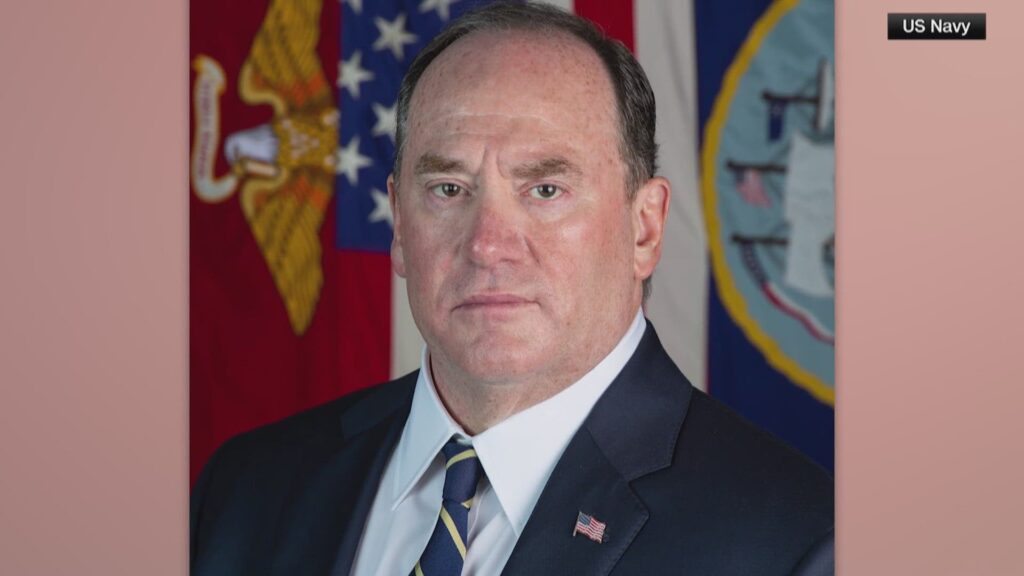
Navy Secretary John Phelan Departs in Major Pentagon Leadership Shakeup
The Pentagon’s leadership ranks are undergoing a significant transformation, with the latest high-profile exit being Navy Secretary John Phelan. This departure marks another chapter in a series of top-level changes within the U.S. Department of Defense, raising questions about continuity, strategic direction, and the evolving priorities of the nation’s armed forces during a period of intense global competition.
A Wave of Change at the Pentagon’s Highest Levels
Secretary Phelan’s exit is not an isolated event but part of a broader pattern of leadership turnover within the upper echelons of the Defense Department. In recent months, several key positions have seen new appointments or acting officials, creating a dynamic and sometimes uncertain environment at the heart of U.S. national security.
This trend highlights the challenges of maintaining long-term strategic initiatives when the civilian leadership overseeing the military is in flux. For an institution as vast and complex as the Department of Defense, consistency at the top is crucial for implementing multi-year procurement plans, advancing technological innovation, and solidifying international partnerships.
The departure of a service secretary like John Phelan directly impacts the strategic management of the world’s most powerful navy. The Navy is currently navigating a pivotal moment, balancing a demanding operational tempo with the urgent need to modernize its fleet to counter advanced adversaries, particularly in the Indo-Pacific region.
Who is John Phelan and What Was His Tenure Like?
John Phelan stepped into the role of Secretary of the Navy during a period of immense challenge and change. His tenure was largely defined by several critical, ongoing priorities:
Key Focus Areas During Phelan’s Leadership
- Naval Modernization and Shipbuilding: Overseeing the ambitious plan to grow the fleet and integrate new classes of vessels, from next-generation submarines to unmanned surface and undersea vehicles.
- The Pacific Pivot: Executing the Department of Defense’s focus on the Indo-Pacific, ensuring naval assets and strategy are aligned to deter potential aggression and maintain freedom of navigation.
- Readiness and Maintenance: Addressing the persistent challenges of ship and aircraft maintenance backlogs to ensure the fleet is prepared for immediate deployment.
- Personnel and Culture: Continuing the Navy’s efforts to improve sailor quality of life, talent retention, and foster a positive, inclusive command climate.
While specific reasons for his departure were not detailed in the initial announcement, such changes often reflect a combination of personal decisions, administrative realignments, and the natural ebb and flow of political appointments. His exit creates an immediate vacancy that will be filled by an acting secretary until a permanent nominee is selected and confirmed by the Senate.
The Ripple Effect: What Phelan’s Exit Means for the U.S. Navy
The sudden change in civilian leadership comes at a sensitive time. The U.S. Navy is the frontline of American power projection and is central to global stability. A transition at the top can have several concrete effects:
Strategic Momentum: Major projects, from the Columbia-class ballistic missile submarine program to the development of new drone fleets, require steady advocacy and budgetary support from the service secretary. A leadership gap can sometimes slow bureaucratic momentum.
Congressional Relations: The Secretary of the Navy is a key liaison with Congress, responsible for justifying the Navy’s budget and priorities. An acting secretary may have less long-term authority in these critical negotiations.
Morale and Direction: For the sailors and officers of the Navy, consistent, visible leadership provides a sense of direction and stability. Changes, while routine, can introduce a period of uncertainty.
The Bigger Picture: A Pentagon in Transition
To understand the significance of Phelan’s departure, one must view it within the wider context of the Pentagon’s current state. The Department of Defense is not just losing a Navy Secretary; it is adjusting to new leadership across multiple domains. This includes changes in senior policy advisors, undersecretaries, and other service branch leadership roles.
This widespread transition presents both a challenge and an opportunity. The challenge is the risk of strategic inertia—where long-term planning is put on hold amidst personnel changes. The opportunity lies in the potential for new leaders to bring fresh perspectives and accelerate reforms in areas like acquisition, innovation, and joint force integration.
The coming months will be critical as the Biden administration moves to nominate a permanent successor. The nominee will face a Senate confirmation process that will undoubtedly focus on:
- Their vision for countering Chinese naval expansion.
- Plans to accelerate the integration of AI and autonomous systems.
- Solutions for the Navy’s persistent readiness and shipbuilding challenges.
- Their approach to strengthening alliances with maritime partners in NATO and the Pacific.
Looking Ahead: Navigating Uncharted Waters
The departure of Navy Secretary John Phelan is more than a personnel headline; it is a moment that underscores the ongoing evolution of American defense leadership. As the Pentagon navigates this period of transition, the focus will quickly shift to the future.
The priority for the Department of Defense will be to ensure a smooth handover of responsibilities and to maintain the operational focus of the U.S. Navy. The fleet’s admirals and the professional civilian corps within the Navy Department will provide essential continuity. However, the need for strong, confirmed civilian leadership is irreplaceable for setting policy and fighting for resources.
In an era defined by strategic competition with near-peer rivals, the United States cannot afford a leadership vacuum in its maritime force. The next Secretary of the Navy will inherit a service at a crossroads, tasked with modernizing a aging fleet, adopting transformative technologies, and upholding decades of maritime dominance in an increasingly contested world.
The Pentagon’s latest leadership shakeup is a reminder that in Washington, personnel is policy. Where Secretary Phelan’s successor will steer the Navy—and how quickly they can get confirmed and up to speed—will be a key determinant of American seapower for years to come. The world’s oceans are waiting to see who will take the helm.

