
Manila Bay’s Tilapia Invasion: How an Uncontrolled Fish Boom Is Disrupting Urban Waters
Manila Bay has long been a symbol of both struggle and renewal, but a new ecological disruption is now testing that fragile balance. In recent months, environmental authorities and local fishing communities have reported a sharp rise in invasive tilapia populations spreading through key waterways connected to the bay, triggering concerns about biodiversity loss, water quality stress, and economic damage to small-scale fishers.
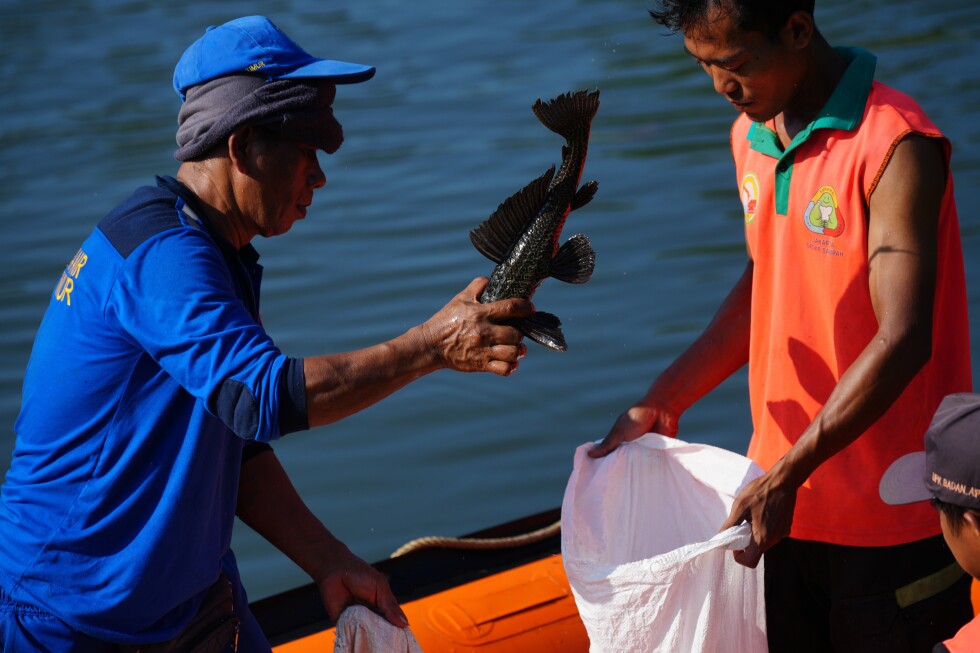
What began as scattered reports of “overpopulated fish catches” has now escalated into a coordinated response effort, as tons of invasive tilapia are being removed in an attempt to stabilize the ecosystem.
The Unexpected Invader in Familiar Waters
From Fish Farms to Free-Flowing Rivers
Tilapia is not an unfamiliar species in the Philippines. It is widely farmed, heavily consumed, and considered a staple protein source in many communities. The problem arises when farmed tilapia escape into natural waterways where they are not properly controlled.
In Manila Bay’s connected river systems, conditions have proven ideal for rapid expansion:
- Warm tropical water that supports year-round breeding
- Nutrient-rich environments from urban runoff
- Few natural predators in heavily polluted zones
- Artificial canals and flood channels that aid movement
Once established, tilapia populations can expand quickly, outcompeting native species in both freshwater and brackish environments.
Why the Surge Became a Crisis
A Collapse in Ecological Balance
Unlike native fish species that evolved within local ecosystems, invasive tilapia are highly adaptable and aggressive breeders. Their rapid growth has begun to disrupt the natural food chain.
Environmental monitoring teams have identified several key impacts:
- Decline in native fish populations such as gobies and juvenile mudfish
- Increased competition for algae, plankton, and detritus
- Reduced biodiversity in shallow river channels feeding Manila Bay
- Disruption of breeding cycles for indigenous aquatic species
In some monitored zones, tilapia now account for the overwhelming majority of fish biomass, signaling a dangerous ecological imbalance.
The Economic Impact on Fisherfolk
Small-Scale Fisheries Under Pressure
For many coastal communities around Manila Bay, fishing is not just tradition—it is livelihood. The tilapia surge has created mixed consequences.
On one hand, fishers report higher immediate catches of tilapia. On the other hand:
- Market prices for tilapia have dropped due to oversupply
- Native species, which often fetch higher prices, are becoming harder to find
- Fishing gear is increasingly less effective in altered habitats
- Long-term sustainability of catches is in question
What appears as abundance today may translate into economic instability tomorrow, especially if ecosystem collapse continues.
Government and Community Response
Coordinated Removal Efforts Begin
In response to the growing concern, local environmental agencies, fisheries authorities, and community organizations have launched targeted removal operations across affected waterways.
Current strategies include:
- Mass net fishing in high-density zones
- Installation of controlled harvest points along river channels
- Incentive-based fish collection programs for local residents
- Monitoring of aquaculture facilities to prevent further escape
Early operations have already resulted in significant removal volumes, though officials caution that these efforts address symptoms rather than the root cause.
The Hidden Driver: Aquaculture Leakage
When Farming Meets the Wild
The primary source of the invasion is not natural migration—it is human infrastructure.
Fish pens, ponds, and cage systems located near rivers and flood-prone zones are vulnerable to:
- Structural damage during typhoons and flooding
- Overflow during heavy rainfall
- Improper containment and maintenance
- Intentional or accidental release of stock
Once escape occurs, tilapia rapidly adapt to surrounding waterways, making full containment nearly impossible.
Environmental Risks Beyond Fish Populations
Water Quality and Ecosystem Stress
The tilapia overpopulation is not just a fisheries issue. It is also affecting broader environmental conditions:
- Increased sediment disturbance from feeding activity
- Potential decline in water clarity in shallow zones
- Stress on aquatic vegetation due to grazing pressure
- Altered nutrient cycles in connected estuarine systems
Manila Bay, already under pressure from pollution and urban expansion, faces an added layer of ecological strain.
Why Invasive Species Spread So Easily
The tilapia situation reflects a global pattern seen in many urban water systems. Invasive species thrive when three conditions align:
- Human-assisted introduction (aquaculture or pet trade)
- Highly adaptable biological traits (fast breeding, broad diet)
- Degraded ecosystems with reduced natural resistance
Once these factors combine, ecosystems often shift into a new and unstable equilibrium that is difficult to reverse.
Lessons From the Manila Bay Situation
Prevention Is Cheaper Than Cleanup
Environmental experts emphasize that removal operations alone cannot solve the problem. Long-term solutions must focus on prevention.
Key recommendations include:
- Stronger regulation of aquaculture facilities near waterways
- Improved structural standards for fish pens in flood-prone areas
- Regular inspections and enforcement of containment rules
- Early warning systems for escape and population spikes
- Public education on ecological risks of unmanaged fish release
Without upstream controls, downstream cleanup efforts will remain temporary.
Rethinking “Useful” Species
Tilapia is often seen as beneficial due to its role in food security. However, this case highlights an important ecological truth: a species can be economically valuable in one context and environmentally harmful in another.
A Delicate Balance Still in Play
Manila Bay is not experiencing a total ecological collapse—but it is operating under increasing stress. The tilapia surge represents a warning signal, not a final outcome.
If managed properly, the situation could stabilize into controlled aquaculture integration and healthier river management. If ignored, it risks further destabilizing an already vulnerable marine environment.
Final Thought: When Abundance Becomes a Warning Sign
The rise of invasive tilapia in Manila Bay is a reminder that ecological systems are deeply interconnected with human activity. What begins as food production can quietly transform into ecological disruption if boundaries fail.
Abundance is not always a sign of health. Sometimes, it is the first visible symptom of imbalance.
And in Manila Bay, the question is no longer whether tilapia will survive—but whether the rest of the ecosystem can.

