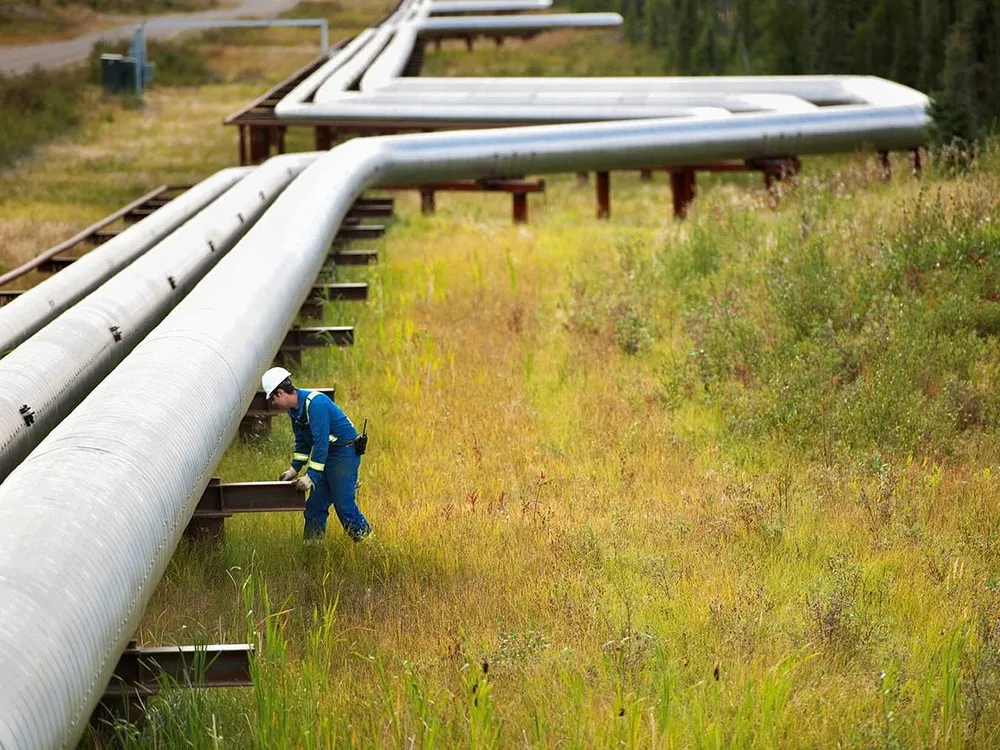
Alberta Pipeline Funding Boost: Indigenous Loan Guarantees Transform Energy Investment
The landscape of Canadian energy infrastructure is shifting beneath our feet. Canada’s energy minister has confirmed that a major Alberta bitumen pipeline could receive federal financing through the Indigenous loan guarantee program, a development that could fundamentally alter how large-scale energy projects are funded and who benefits from them. For Indigenous communities, industry stakeholders, and everyday Canadians watching the energy transition, this is not just another pipeline announcement—it’s a potential blueprint for economic reconciliation.
What Is the Indigenous Loan Guarantee Program?
Before diving into the implications, let’s break down exactly what this program is and why it matters.
The Indigenous loan guarantee program was designed with a specific purpose: to help Indigenous communities secure financing for major projects that would otherwise be out of reach. Traditional lending institutions have historically been reluctant to extend credit to First Nations, Métis, and Inuit communities due to complex legal structures, lack of collateral, and perceived risk. This federal program bridges that gap by providing backstop guarantees, reducing lender risk, and unlocking capital for community-led investments.
Key features of the program include:
- Federal backing that reduces borrowing costs for Indigenous groups
- Equity ownership opportunities in resource and infrastructure projects
- Revenue-sharing models that generate long-term community wealth
- Technical support for financial planning and project evaluation
This isn’t charity or grants—it’s a financial tool that positions Indigenous communities as genuine partners in Canada’s resource economy.
The Pipeline at the Center of This Story
The pipeline in question would transport diluted bitumen from Alberta’s oil sands—the same heavy, viscous oil that has sparked decades of debate over environmental impacts, carbon emissions, and pipeline safety. Environmental groups have historically opposed such projects, citing risks of spills and contributions to climate change. Industry advocates, meanwhile, argue that pipelines are safer than rail transport and essential for getting Canadian oil to global markets.
But this particular proposal carries a new dimension that changes the conversation: economic reconciliation through direct Indigenous ownership. Instead of pipelines being built to Indigenous lands, they could be built with Indigenous partners, sharing both risks and financial rewards.
How Federal Dollars Would Flow
Under the proposed financing structure, federal dollars would flow through the Indigenous loan guarantee program to enable Indigenous communities to take equity stakes in the pipeline. This approach aligns directly with the federal government’s stated commitment to ensuring Indigenous peoples benefit from resource development on or near their traditional territories.
The mechanism works like this:
- The federal government guarantees a portion of the loan
- Indigenous communities borrow at preferential rates
- Loan proceeds are used to purchase equity in the pipeline project
- Revenue from pipeline operations flows back to communities
This transforms Indigenous groups from passive stakeholders who are consulted and accommodated into active investors and co-owners with a direct financial interest in the project’s success.
Why This Matters for the Energy Sector
If you work in energy, finance, or Indigenous policy, this news signals a potential sea change. Here’s why:
For Energy Companies
Pipelines have become increasingly difficult to build in Canada due to regulatory hurdles, legal challenges, and public opposition. Having Indigenous communities as equity partners creates powerful alignment of interests. Communities with ownership stakes are more likely to support projects, engage constructively in regulatory processes, and help navigate local concerns. This could unlock projects that were previously stalled or abandoned.
For Indigenous Communities
The economic implications are transformative. Many First Nations in Alberta and across Canada face poverty, housing shortages, and limited economic opportunities. Revenue from pipeline ownership could fund:
- Community infrastructure like roads, schools, and water treatment plants
- Education and skills training programs
- Healthcare services and elder care facilities
- Economic diversification into other industries
Critically, this isn’t about one-time payments or annual royalties—it’s about generational wealth creation that communities control.
For Investors and Financial Institutions
The Indigenous loan guarantee program reduces risk for lenders and project developers. With federal backing, banks are more willing to extend credit, and project sponsors face fewer financing roadblocks. This could attract new capital to the Canadian energy sector at a time when global investors are increasingly cautious about fossil fuel investments.
Addressing the Environmental Concerns
No discussion of Alberta pipelines would be complete without acknowledging the environmental dimension. Critics will rightly point out that this financing model doesn’t solve the fundamental climate problems associated with bitumen extraction and transport. Carbon emissions, spill risks, and land disruption remain real concerns.
However, proponents argue that:
- Canadian oil production happens under strict environmental regulations
- Pipelines are safer than trucking or rail transport
- Indigenous ownership increases leverage for environmental protections
- Revenue can support Indigenous-led clean energy initiatives
The debate isn’t going away, but the financing model adds a new dimension that may shift the calculus for some stakeholders.
What Comes Next
At this point, details remain limited. Canada’s energy minister has confirmed that the pipeline could qualify for financing, but the specific project has not been officially named. Industry watchers are speculating about which pipeline proposal fits the criteria.
Potential candidates include:
- Expansion projects on existing rights-of-way
- Connector pipelines linking oil sands production to export hubs
- Replacement pipelines for aging infrastructure
What’s clear is that the federal government will attach conditions to any financing. Expect requirements for:
- Meaningful consent from affected Indigenous communities
- Environmental monitoring and spill response plans
- Transparent revenue-sharing agreements
- Workforce development commitments for Indigenous workers
A Turning Point for Economic Reconciliation
The Indigenous loan guarantee program is no longer theoretical—it’s becoming a real tool for shaping Canada’s energy future. For decades, Indigenous communities have been told they would benefit from resource development. Too often, those promises fell short. This financing model offers a concrete mechanism to change that dynamic.
But it’s not without risks. Taking on debt to purchase pipeline equity carries financial exposure. Communities must weigh potential returns against the possibility of stranded assets in a decarbonizing world. The energy transition is real, and long-term investments in fossil fuel infrastructure carry uncertainty.
Yet for communities facing immediate economic needs, the opportunity to generate revenue now—rather than waiting for a clean energy transition that may take decades—is understandably compelling.
The Bottom Line
This development matters because it represents a departure from how Canada has traditionally done business. Instead of government imposing projects on communities, or companies negotiating from a position of power, this model puts financial tools in Indigenous hands.
For anyone following Canadian energy policy, Indigenous rights, or economic reconciliation, the message is clear: the rules of the game are changing. Pipelines may still be controversial, but how they are built, who benefits, and who decides is undergoing a fundamental transformation.
Stay tuned as more details emerge on which specific pipeline project qualifies and what conditions the federal government will attach to the financing. For now, one thing is certain: the Indigenous loan guarantee program is moving from policy paper to pipeline reality, and its impact will be felt for decades to come.